




Inpatient vs. Residential Treatment in Idaho: Are They the Same Thing?
If you've started looking into treatment options for yourself or a loved one, you’ve probably come across two terms that seem to dominate the conversation: inpatient treatment and residential treatment. At first glance, they sound like different names for the same thing. In fact, depending on who you ask, you might even hear them used interchangeably.
However, when you are navigating the specifics of inpatient rehab in Idaho, you'll find that these labels often represent different clinical settings, lengths of stay, and levels of medical supervision. Choosing the right path isn't just about semantics; it's about matching the intensity of care to your situation.
What Is Inpatient Treatment?
Technically, inpatient treatment refers to care provided inside a licensed medical facility. You stay on-site and receive round-the-clock clinical supervision. It tends to be more medically intensive, often including detox, psychiatric evaluation, and management of co-occurring health conditions.
This level of care is typically shorter in duration (anywhere from a few days to two weeks) and is focused on medical stabilization. Think of it as the bridge between crisis and active recovery work.
What Is Residential Treatment?
Residential treatment is also live-in care, but it feels different. You're living at the facility for an extended period (usually 30 to 90 days) and your days are structured around therapy, group sessions, skill-building, and community.
The clinical intensity is still high, but the focus shifts from medical stabilization to behavioral change. You're working through the root causes of addiction, building coping skills, and learning how to navigate life without substances.
At Freedom Recovery, our residential inpatient program blends both: a structured, supportive living environment with clinical programming that treats the whole person.

Residential vs. Inpatient Rehab Idaho: So Are They the Same?
In practice, many programs, including most inpatient rehab Idaho facilities, use the terms together: "residential inpatient treatment." This usually means you're living at the facility and receiving structured clinical care.
Here's a simple breakdown to help clarify:
- Inpatient (medical): Short-term, medically supervised, focused on crisis stabilization and detox
- Residential: Longer-term, therapeutically focused, structured daily schedule in a live-in setting
- Residential Inpatient: The combined model — live-in care with both medical and therapeutic components
Most people who need serious addiction treatment will move through both, often seamlessly, within the same facility.

Which One Is Right for You?
The right level of care depends on several factors, ranging from your physical health to your long-term recovery goals. While a clinical team will perform a comprehensive assessment to determine your unique needs, here are some general guidelines to help you understand the landscape of inpatient rehab in Idaho.
You may need medically supervised inpatient treatment if:
- You've been using heavily for an extended period: Chronic substance use changes brain chemistry and physical dependence. In these cases, "quitting cold turkey" isn't just difficult—it can be physically dangerous without professional oversight.
- You have a history of severe withdrawal symptoms: If you have previously experienced seizures, delirium tremens (DTs), or intense respiratory distress during detox, you require a high-acuity setting where medical staff can intervene instantly.
- You have co-occurring medical or mental health conditions: If you are managing issues like heart disease, diabetes, or severe depression alongside addiction, an inpatient setting ensures that all your health needs are treated simultaneously by a synchronized team.
- You've tried outpatient care before and it wasn't enough: If you found yourself "slipping" despite attending weekly meetings or intensive outpatient programs (IOP), it may be a sign that you need a higher level of containment and 24/7 support to gain initial traction.
- You need a safe, structured environment away from triggers at home: For some, the environment where the addiction flourished is too "loud" with memories, access, or toxic relationships. Inpatient care provides a physical and psychological buffer.
What Does a Typical Day Look Like?
In a residential inpatient program, your days are intentionally structured. They are set up like that not to control you, but to give you the rhythm and routine that supports healing.
- Morning: Group sessions, meditation, or reflection activities
- Midday: Individual therapy, case management, medication management if applicable
- Afternoon: Skill-building groups, life skills, 12-step or other peer support programming
- Evening: Community time, reflection, rest
The goal isn't just to get through the days. It's to leave with real tools, real relationships, and a real plan for what comes next. That plan often includes transitioning to our outpatient program for continued support.
What Comes After Residential Treatment?
Completing residential care is a major milestone. But recovery doesn't end there. Most people step down to outpatient services or sober living after residential treatment, which allows them to reintegrate into daily life while still having support in place.
This continuum of care is one of the most important factors in long-term success. The transition out of residential treatment can be vulnerable, and having a plan matters.
You can also explore how other programs approach inpatient residential care to compare what to look for in a quality program.
Start With a Conversation
If you're unsure which level of care is right for you, you don't have to figure it out alone. Freedom Recovery's admissions team walks you through every option and helps you build a plan that fits your life.
Find us on Google Maps and reach out when you're ready.
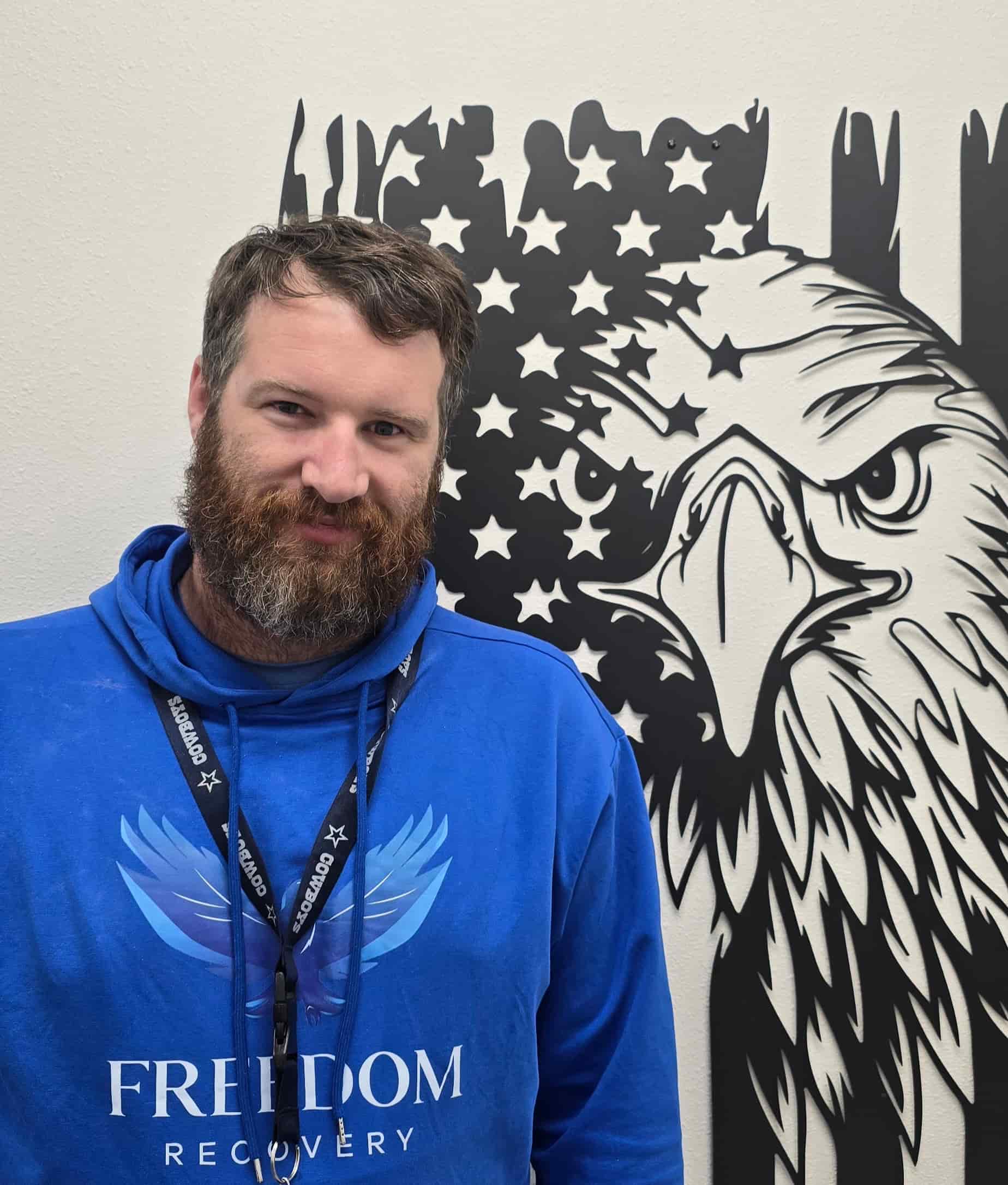
Timothy Palmer is the Clinical Director at Freedom Recovery with experience in general outpatient, correctional, and substance use disorder (SUD) treatment settings. He is trained in Dialectical Behavior Therapy (DBT), Neuro-Linguistic Programming (NLP), and has specialized experience working with Obsessive-Compulsive Disorder (OCD). His approach focuses on helping individuals build effective coping skills, improve emotional regulation, and create lasting change in recovery.

Andrea brings years of experience to the table. By day, she is conquering the world of search engines, and by night, she’s a dog lover, with an interest in tarot readings and all things witchy on a mission to explore the cultural gems of Mexico City.

Other Blogs

Gain practical tips to help overcome addiction triggers and stay on track in your recovery.

Learn how to get into a sober living house and what to expect once you move in. Discover the benefits and different steps to make your transition smooth.

Finding a rehab that takes Medicaid can feel overwhelming. This guide walks Idaho residents through the steps to verify coverage and access treatment.