.webp)

Leaving a treatment program is a milestone. It's also one of the most vulnerable moments in recovery. You've done the hard work of detox and treatment, and now you're stepping back into a world full of the same stressors, relationships, and triggers that were there before. A sober living house exists to bridge that gap, giving you a stable, accountable environment while you rebuild your life outside of clinical walls.
A lot of people searching for information on sober living houses don't quite know what they're walking into. That's normal. The term gets used loosely, and what one house offers can look very different from the next. This post breaks down what sober living actually is, what the rules typically look like, and what your day-to-day experience will feel like so you can make an informed decision for yourself or someone you love.
A sober living house (also called a recovery residence or halfway house) is a shared living environment for people in recovery from substance use. It's not a treatment center. There are no therapists on-site conducting sessions throughout the day, and you're not under 24/7 clinical supervision. What you do have is structure, peer accountability, and a substance-free home base.
The defining feature of a sober living house is the expectation of sobriety. Everyone living there has agreed to stay substance-free, and that shared commitment creates a kind of community that's hard to replicate in an apartment alone. Research published by the National Institutes of Health has found that people who live in recovery residences after treatment show significantly better outcomes in sobriety, employment, and legal status compared to those who don't.
Sober living is typically used after completing residential inpatient treatment, a partial hospitalization program (PHP), or an intensive outpatient program (IOP). It's a step-down level of care, not a step backward. Think of it as the training wheels coming off, but someone still riding alongside you.
Most sober living houses operate on a set of house rules that all residents must follow. These rules aren't arbitrary. They exist to protect the recovery of everyone in the home.
Common rules you can expect include maintaining sobriety and agreeing to random drug testing, paying weekly or monthly rent, contributing to household chores, observing curfew, attending a minimum number of recovery meetings each week (such as AA or NA), and treating fellow residents with respect. Breaking these rules, especially by using substances, typically results in being asked to leave.
Residents usually share rooms and common spaces like the kitchen and living areas. That shared environment is part of the point. Living in recovery with other people who understand what you're going through builds the kind of accountability that's hard to manufacture in isolation. SAMHSA's guidelines on recovery housing outline four levels of recovery residences, ranging from peer-run homes to clinically managed communities. Sober living typically falls into the first two levels.
At Freedom Recovery, the sober living component is built into a full continuum of care. It's not an isolated service you piece together on your own. It connects directly to the clinical programming that came before it, including residential inpatient, PHP, and IOP.
Sober living is a good fit if you've completed a higher level of care and aren't yet ready to return to your previous living situation. That might be because your home environment isn't safe or supportive of your recovery. It might be because you don't have stable housing at all. Or it might simply be that you know yourself well enough to know you need more time in a structured environment before you live fully independently.
It's also worth knowing that sober living can work alongside continued outpatient treatment. Many people living in a recovery residence are still attending intensive outpatient programming several times a week. The two levels of care complement each other. Your evenings and weekends are structured by house rules, while your mornings or afternoons involve active therapy and skill-building.
Sober living is not a fit for someone who still needs medical supervision, active mental health crisis support, or the around-the-clock care that residential inpatient provides. If you're not sure where you fall, that's exactly what an admissions team is for. You don't have to figure that out on your own.
Daily life in a sober living house looks more like a regular home than a treatment facility. You wake up, cook your own meals, manage your own time, and take care of your own responsibilities. That's intentional. The goal is to practice the skills that will carry you through independent living.
What sets it apart from living alone is the built-in accountability. There are curfews to keep, chores to complete, meetings to attend, and housemates who are watching out for you whether or not you asked them to. Most houses hold regular house meetings where residents check in with each other and address any concerns. That community layer is something recovery science consistently supports. NIDA's research on treatment outcomes identifies social support as one of the most reliable predictors of sustained recovery.
At Freedom Recovery, case management is woven into the sober living experience. That means someone is helping you address practical barriers like employment, transportation, and housing beyond sober living. These aren't details you're left to figure out alone.
.webp)
This is one of the most common questions, and it deserves a direct answer. A relapse while in sober living typically means the resident has to leave, at least temporarily. That might sound harsh, but the rule exists to protect every other person living in that home.
Relapse does not mean failure. It means the plan needs to adjust. In many cases, a relapse leads to returning to a higher level of care, such as residential inpatient or PHP, to stabilize before stepping back down. The goal is to get back on track, not to give up. If you're worried about this possibility for yourself or someone you love, the admissions team at Freedom Recovery can walk you through exactly what that process looks like and what the next steps would be.
Length of stay varies, but most people spend anywhere from 30 days to six months in a sober living house. Longer stays are associated with better outcomes. The pressure to leave as soon as possible is understandable, but research consistently shows that more time in a structured recovery environment before full independence leads to more lasting results.
At Freedom Recovery, the sober living program runs approximately two months as part of a structured step-down pathway. That placement comes after up to 60 days of residential inpatient treatment, followed by PHP and IOP depending on the individual's clinical needs. The full recovery pathway is designed so that each level of care prepares you for the next one.
.webp)
Not all sober living environments are created equal. Some are well-run and clinically connected. Others are loosely managed with little accountability. When you're evaluating a sober living option, ask these questions: Is it affiliated with a licensed treatment program? Are there clear, written rules? Is drug testing conducted regularly? Is there a house manager or recovery coach on-site? Is ongoing outpatient treatment encouraged or required?
A sober living house that's connected to a full treatment program, with recovery coaching and clinical support accessible, offers a meaningfully different experience than an unaffiliated house where residents are largely on their own. The connection to professional support matters.
If you're in Pocatello or anywhere in eastern Idaho and exploring recovery housing options, you can read what our clients say about their experience at Freedom Recovery on Google. The feedback there reflects the kind of care and community we work every day to provide.
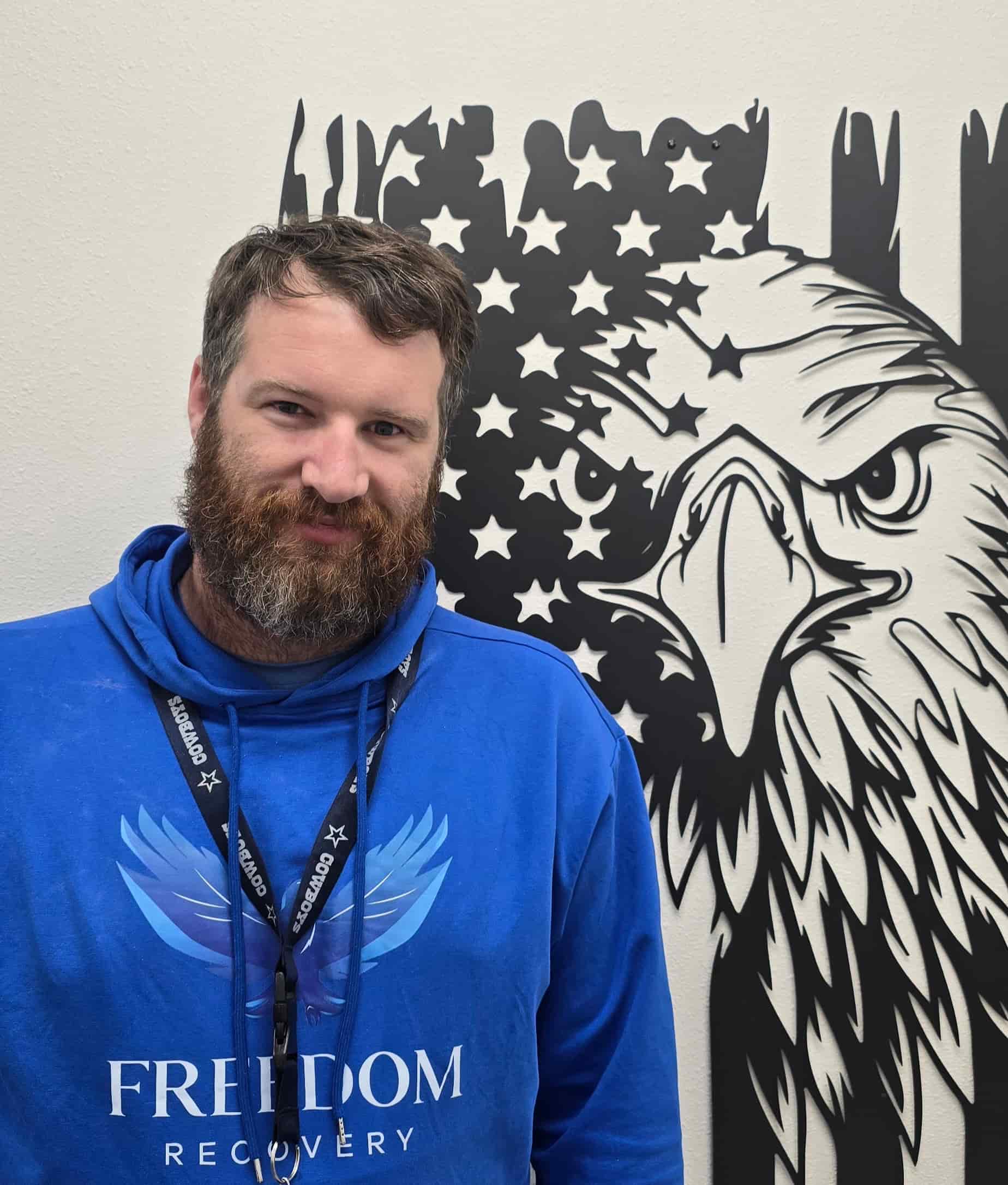
Timothy Palmer is the Clinical Director at Freedom Recovery with experience in general outpatient, correctional, and substance use disorder (SUD) treatment settings. He is trained in Dialectical Behavior Therapy (DBT), Neuro-Linguistic Programming (NLP), and has specialized experience working with Obsessive-Compulsive Disorder (OCD). His approach focuses on helping individuals build effective coping skills, improve emotional regulation, and create lasting change in recovery.

Andrea brings years of experience to the table. By day, she is conquering the world of search engines, and by night, she’s a dog lover, with an interest in tarot readings and all things witchy on a mission to explore the cultural gems of Mexico City.


Discover the role of exercise in addiction recovery and learn how it can guide you toward a healthier, revitalized, and substance-free life.
.png)
Find out why alcohol rehab Idaho built around trauma and compassion supports lasting recovery. Learn what effective treatment should address for healing.

Find out if there are more sober guys or sober women and explore the unique factors influencing sobriety journey.


