.png)

Quitting alcohol can be a huge relief, but it often comes with unexpected challenges as your body adjusts to life without it. As many providers at alcohol rehab Idaho have observed, one of the most common and persistent issues people face is fatigue: Your body literally slows down as it works to repair itself after long-term alcohol use.
While it can be frustrating, this fatigue is usually temporary and will ease as your body and mind regain balance.
In this article, you’ll learn why fatigue happens after quitting drinking, what factors contribute to it, and practical strategies to help you restore energy while staying on track in your recovery journey.
When you stop drinking, your body goes through a major adjustment period, and feeling drained is completely normal. At alcohol rehab Idaho, many clients experience fatigue as part of the early stages of recovery. Your body and mind are recalibrating, and understanding the reasons behind this tiredness can help you cope better:
Remember: Feeling fatigued is a common and temporary part of recovery. Keep in mind that it’s your body’s way of healing, not a sign that you’re failing.
Early sobriety can feel like you’re running on empty, even when you’re doing everything right. That’s because alcohol doesn’t just leave your system and call it a day. It throws off sleep, hydration, and how your body produces energy. A detox in Idaho gives you space to stabilize while your system starts correcting those imbalances.
Medical detox reduces the strain your body carries in those first days. Instead of pushing through withdrawal alone, you’re supported with symptom management, fluid replacement, and medical oversight that keeps fatigue from spiraling into something more serious. That support often means fewer crashes and more consistent energy as the days pass.
Early addiction treatment also helps you rebuild the basics that alcohol disrupted. Regular meals, vitamins, rest, and monitored sleep allow your body to recover at its own pace. You’re not expected to feel “normal” right away; you’re given the conditions to get there safely.

After detox, your body may be medically stable, but that doesn’t mean your energy has bounced back. Fatigue can linger, and trying to manage it while handling work, family, or outside stress often makes recovery harder than it needs to be.
A residential inpatient program gives you space to heal without having to push through exhaustion. Here’s how:
Beyond the physical benefits, inpatient care reduces the mental load that drains energy early in sobriety. You’re not constantly problem-solving or managing triggers alone. That mental relief matters because emotional exhaustion often shows up as physical fatigue during the first stages of recovery.
Even in alcohol rehab Idaho, fatigue isn’t always caused by alcohol withdrawal alone. Other underlying factors can slow your energy recovery, especially if they existed before you stopped drinking or developed during long-term use.
Anxiety, depression, and chronic stress often surface or intensify after quitting alcohol, and each can drain your energy in different ways. Mental health symptoms require just as much attention as physical recovery.
Conditions like anemia, thyroid disorders, or vitamin deficiencies can worsen fatigue during early sobriety. Alcohol use can mask or aggravate these issues, making them more noticeable once you stop drinking.
Poor sleep hygiene, limited movement, and inconsistent daily routines can keep fatigue lingering longer than expected. Early recovery works best when structure supports both rest and gradual activity.
Addressing these factors with professional support allows treatment teams to look beyond alcohol use alone and help you regain energy safely and sustainably.
At an alcohol and drug rehab Idaho facility, you use practical, active steps to support your energy as your body recovers. Below are some strategies to help you regain strength at a steady pace while staying aligned with your recovery process.
Fatigue is expected early on, but some signs shouldn’t be ignored.
If you notice exhaustion that lasts for weeks, extreme lethargy that interferes with daily functioning, dizziness, confusion, or worsening physical symptoms, it may be time to look beyond self-care. Searching for a detox center near me can be a practical step when fatigue feels unmanageable or starts to raise safety concerns.
This is where addiction treatment Idaho programs play a critical role.
Clinical teams can assess whether fatigue is tied to lingering withdrawal effects, nutritional deficiencies, sleep disruption, or underlying medical or mental health conditions. With proper evaluation, they can adjust care plans, provide medical support, and rule out complications that might slow recovery.
Most importantly, professional treatment isn’t one-size-fits-all.
Individualized care ensures your physical health, mental well-being, and recovery goals are addressed together, rather than treating fatigue as an isolated issue. That personalized approach helps you recover more safely and regain energy at a pace your body can actually sustain.

As you learned, feeling worn down after quitting alcohol is a common part of early recovery, and it doesn’t mean anything is going wrong. Your body and brain are recalibrating after prolonged alcohol use, and fatigue often shows up as part of that process. With time, rest, and the right support, energy levels typically improve as your system stabilizes.
Professional care can make that adjustment period easier to manage. Programs like alcohol rehab Idaho provide structure, medical oversight, and therapeutic support that address fatigue alongside other physical and emotional challenges.
Struggling to push through exhaustion or want support that actually works? Freedom Recovery offers comprehensive rehab services so you can heal safely and move forward with confidence. Get in touch today!
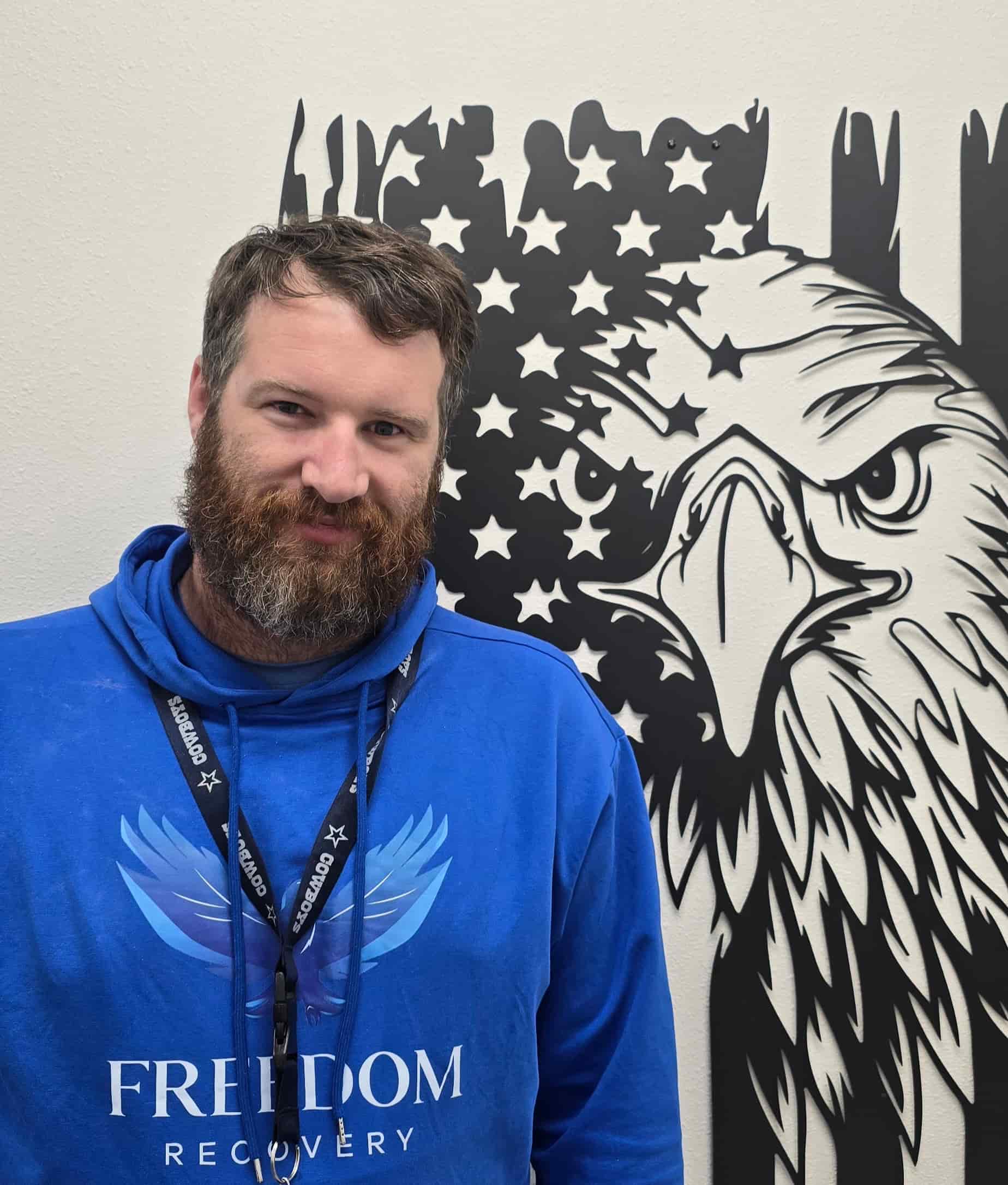
Timothy Palmer is the Clinical Director at Freedom Recovery with experience in general outpatient, correctional, and substance use disorder (SUD) treatment settings. He is trained in Dialectical Behavior Therapy (DBT), Neuro-Linguistic Programming (NLP), and has specialized experience working with Obsessive-Compulsive Disorder (OCD). His approach focuses on helping individuals build effective coping skills, improve emotional regulation, and create lasting change in recovery.

Emmy is a content specialist dedicated to helping brands boost their online presence and reputation. With expertise across diverse niches—including behavioral health—she crafts messages that resonate with target audiences and drive engagement.


Navigate the basic steps to take and prepare for addiction rehab mentally, physically, and financially for successful recovery.

Learn more about cannabis, its use trends in the United States, and whether this substance can be addictive.
.webp)
Supporting someone after rehab in Idaho requires patience and boundaries. Get practical guidance on what helps and what harms in early recovery. Read on.


