.webp)

One of the biggest concerns people have about sobriety is that life will become boring. If substances were part of how you relaxed, socialized, celebrated, or escaped difficult emotions, it can be hard to imagine enjoying those moments without them.
Recovery gives you the opportunity to discover new sources of excitement, connection, confidence, and purpose. These “healthy highs” can come from exercise, outdoor activities, creative projects, relationships, personal achievements, and experiences you can fully remember. This article explores what healthy highs are and how to build a sober life that feels rewarding.
Substance use changes the brain's reward system over time. Dopamine, the chemical your brain releases when something feels good, gets tied to the substance. Everything else starts to feel flat by comparison.
The good news is that the brain is adaptable. Research on treatment and recovery shows that the brain can and does rebuild healthier reward pathways during recovery. It takes time, but natural sources of pleasure, exercise, creativity, laughter, accomplishment, gradually start feeling real again.
Understanding this matters because it reframes the early months of recovery. Your brain is healing, and the activities you build into your recovery routine are doing actual neurological work.
The phrase gets used a lot in recovery spaces, but it points to something specific. Healthy highs are experiences that trigger your brain's natural reward system without creating dependency or harm. They're repeatable, sustainable, and they compound over time.
Physical exercise is probably the most well-documented one. A growing body of research shows that regular aerobic activity reduces anxiety, improves mood, and supports long-term recovery outcomes. You don't need a gym membership or an athletic background. A consistent walk, a pickup basketball game, swimming, hiking through eastern Idaho's trails, all of it counts.
Creative expression is another one that surprises people. Whether it's music, painting, writing, woodworking, or anything else that requires your hands and your focus, creative work produces a sense of engagement that substances mimic but never truly deliver. Many people in recovery discover creative abilities they didn't know they had because they finally have the mental clarity to access them.
.webp)
Recovery often requires more than removing substances. It means creating a daily life that supports your well-being instead of repeatedly pushing you toward escape.
A consistent routine can provide that foundation. Regular sleep, nutritious meals, physical activity, responsibilities, and social connection reduce long periods of unstructured time when cravings or difficult emotions may become harder to manage. Structure also helps restore stability, confidence, and a sense of progress.
Supportive relationships matter just as much. A sober living community, 12-step group, counselor, or recovery coach can provide accountability while helping you feel less alone. The people around you can influence how you respond to stress, celebrate progress, and recover from setbacks.
At Freedom Recovery, our recovery coaching program pairs clients with coaches who have lived experience in recovery. They provide practical guidance and consistent support as clients build routines, strengthen relationships, and create a better life.
Even with a strong routine and a supportive community, difficult moments will come. Loss, stress, conflict, boredom, these experiences don't disappear in recovery. What changes is how you meet them.
This is where the clinical work matters. Therapies like Dialectical Behavior Therapy (DBT), which focuses on building distress tolerance and emotional regulation skills, give you concrete tools for the moments when the pull toward old patterns feels strongest. DBT is one of the primary approaches used by our clinical team at Freedom Recovery.
Mindfulness-based practices, including meditation and yoga, are also well-supported by research as coping tools in recovery. They work by helping you observe difficult feelings without being controlled by them. We incorporate these into our programming because they're genuinely useful, not because they're trendy.
If co-occurring mental health concerns like anxiety, depression, or OCD are part of your picture, those need direct attention too. Our team includes clinicians trained to address both substance use and mental health together, because treating one without the other rarely works.
.webp)
At Freedom Recovery in Pocatello, Idaho, we've structured our programming to address the whole question of how to build a life. Our continuum of care moves from medical detox through residential treatment, partial hospitalization, intensive outpatient, and outpatient support, with sober living available as a bridge to independent living.
The people we've walked alongside at Freedom Recovery have gone back to school, repaired relationships they thought were gone, started careers, become parents in the way they always wanted to be. None of that came without hard work. But it came. That's the part the fear at the beginning doesn't account for.
If you're ready to take the first step, or even just ask some questions, our admissions team is available around the clock. You can also read what our clients have to say on our Google Business Profile. Call us at (208) 626-6399 or verify your insurance online.
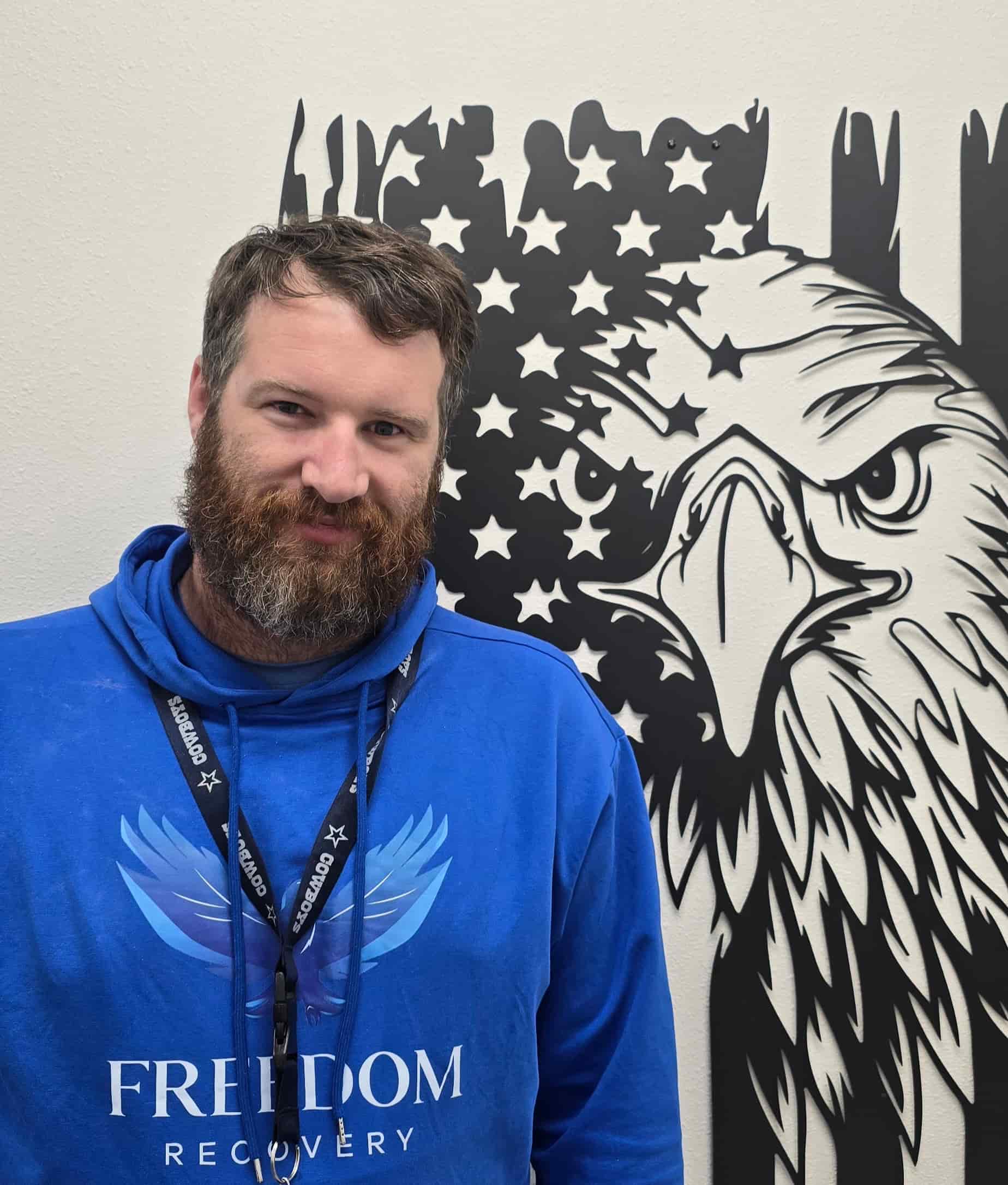
Timothy Palmer is the Clinical Director at Freedom Recovery with experience in general outpatient, correctional, and substance use disorder (SUD) treatment settings. He is trained in Dialectical Behavior Therapy (DBT), Neuro-Linguistic Programming (NLP), and has specialized experience working with Obsessive-Compulsive Disorder (OCD). His approach focuses on helping individuals build effective coping skills, improve emotional regulation, and create lasting change in recovery.

Henna is a seasoned writer and content strategist specializing in behavioral health, addiction recovery, and wellness. She splits her time between the buzz of Los Angeles and the slower rhythms of Mexico, drawing creative energy from both. When she’s not writing, she’s probably off the grid—biking on the backroads or freediving somewhere where there's water.

.jpeg)
Know the consequences of unassisted drug withdrawal, including its physical and psychological symptoms. Understand why proper detoxification is vital.

Can you force someone to go to alcohol rehab? Explore ways to support a loved one struggling with addiction while setting your own boundaries.
.png)
Find out why alcohol rehab Idaho built around trauma and compassion supports lasting recovery. Learn what effective treatment should address for healing.


