

Completing residential treatment is one of the most important things you can do for your recovery, but continuing with IOP in Idaho afterward can be just as important for maintaining long-term stability. After all, what happens in the weeks after discharge often determines whether recovery continues to build or begins to unravel.
For many people, the transition out of residential care is where things start to fall apart, not because they failed to do the work, but because support disappeared too quickly. This is often referred to as the relapse gap.
In this article, you’ll learn how step-down care reduces relapse risk and how Freedom Recovery helps patients maintain continuity and structure after residential treatment.

The relapse gap refers to the period immediately after leaving a structured treatment program when the risk of relapse is at its highest.
In residential care, your environment is controlled. You’re removed from triggers, surrounded by a supportive community, and engaged in therapy every day. When that ends abruptly, without a step-down plan, the contrast can be overwhelming.
Old patterns, old people, old places. Without the structure of treatment holding things together, many people revert to the habits that brought them to treatment in the first place. This isn’t a character flaw but a predictable outcome when the continuum of care is broken.

Indeed, leaving treatment shouldn’t feel like stepping off a cliff. A step-down plan is the staircase. One route you can take is enrolling in an IOP.
An intensive outpatient program (IOP) provides structured clinical support, therapy, group sessions, and skill-building while you live at home or in sober housing.
Unlike residential care, you’re not living at the facility. But unlike standard outpatient therapy, the frequency and depth of engagement are much higher. Most IOPs in Idaho involve multiple sessions per week, covering:
Freedom Recovery’s intensive outpatient program in Pocatello aims to follow residential care, so the progress you made doesn’t stall the moment you walk out the door.
Freedom Recovery builds step-down care into the recovery process from the very beginning. Instead of treating discharge as the end of treatment, the program creates a smooth transition between each level of care so patients continue receiving structure and support as they regain independence.
To better understand how step-down care after residential Idaho supports long-term recovery, it helps to look at how the continuum of care typically works:
Each phase connects directly to the next. Clinical teams coordinate transitions between programs so patients are not left navigating recovery alone after residential treatment ends.

If you’ve just completed residential treatment, the adjustment to IOP can feel significant. You’ll have more independence but still structured support. Here’s what most people experience at IOP after inpatient treatment Idaho:
It’s common to feel some anxiety about the transition. That’s exactly why having an outpatient rehab Pocatello team you already know (and not strangers at a new facility) makes such a difference.
Yes, and for many people, this combination creates one of the strongest continuum of care addiction Idaho models available.
Attending IOP in Idaho while residing in a sober living home provides clinical support during treatment hours and a substance-free, accountable environment afterward. Instead of losing structure after residential treatment, patients continue building recovery skills with consistent support on both sides.
Research shows that combining sober living with outpatient programming leads to better long-term outcomes. These include longer stays in treatment, higher rates of satisfactory discharge, and stronger recovery support and accountability.

Always keep in mind: Recovery isn’t a sprint you finish. It’s a rhythm you build.
If you’re completing residential treatment or planning your next step, transitioning into IOP in Idaho can help you maintain momentum and reduce the risk of relapse during early recovery. Freedom Recovery’s step-down approach creates a smoother transition between levels of care so you are never left navigating recovery alone.
You can also explore our full pathways to recovery to understand how each phase of treatment connects and supports long-term stability. Get in touch today!
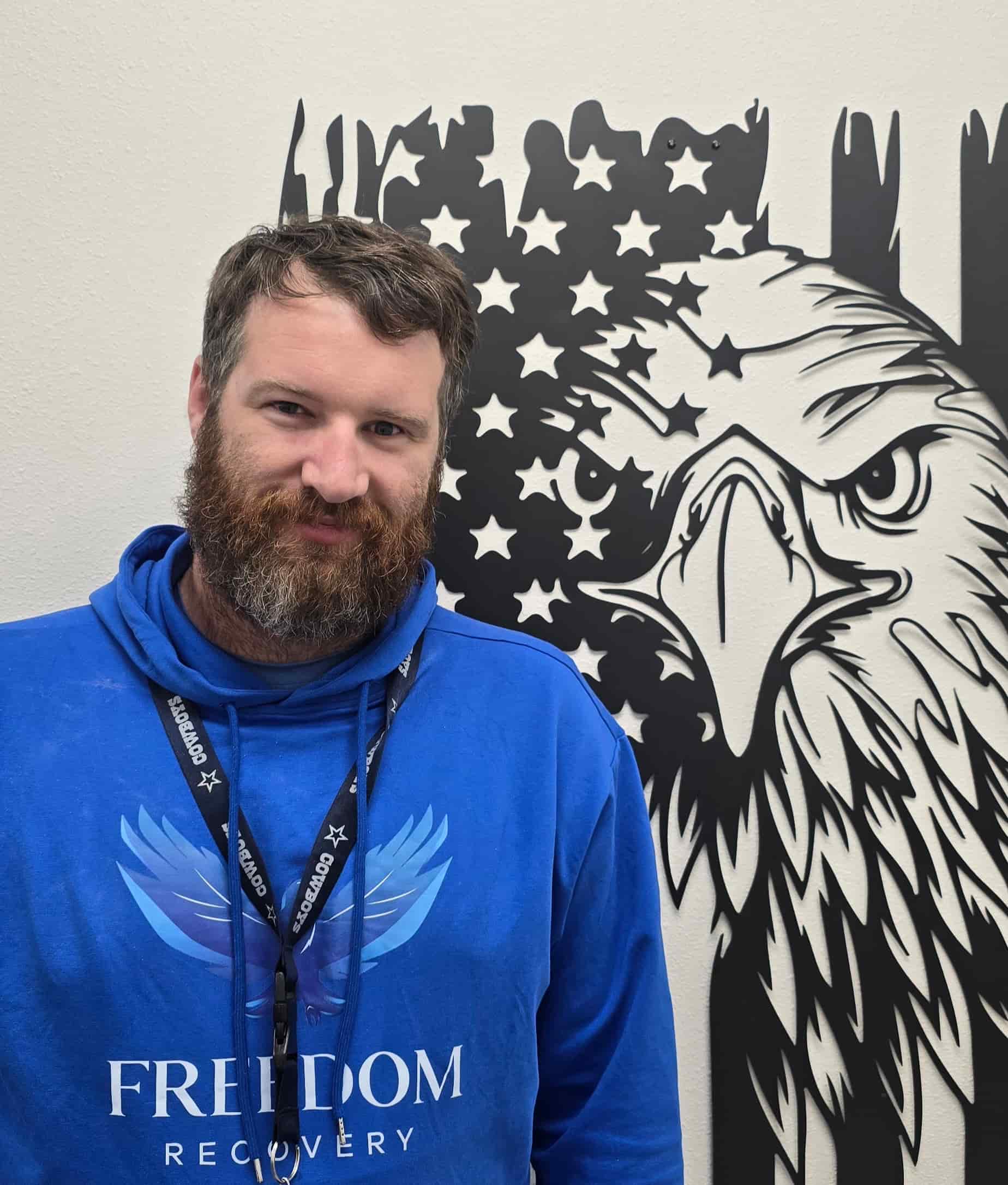
Timothy Palmer is the Clinical Director at Freedom Recovery with experience in general outpatient, correctional, and substance use disorder (SUD) treatment settings. He is trained in Dialectical Behavior Therapy (DBT), Neuro-Linguistic Programming (NLP), and has specialized experience working with Obsessive-Compulsive Disorder (OCD). His approach focuses on helping individuals build effective coping skills, improve emotional regulation, and create lasting change in recovery.

Andrea brings years of experience to the table. By day, she is conquering the world of search engines, and by night, she’s a dog lover, with an interest in tarot readings and all things witchy on a mission to explore the cultural gems of Mexico City.


Discover how anxiety can lead to substance abuse and why getting help from an addiction treatment center in Idaho is essential for long-term recovery.

Learn about the ways substance abuse can affect your productivity and how to overcome them.
.jpg)
Learn how MAT supports recovery from opioid addiction. Find out how MAT can help you overcome your addiction and build stability for long-term sobriety.


