.webp)

Most people know about therapists and counselors in addiction treatment. Fewer people know about recovery coaches, and that gap leaves a lot of people without a layer of support that can genuinely change outcomes.
If you or someone you love is working through recovery in Pocatello, understanding what a recovery coach actually does, and how they fit into the bigger picture of care, is worth your time.
A recovery coach is a trained, certified peer support specialist who has lived experience with addiction and recovery. That last part matters: they've been where you are. They're not just trained on paper. They know what it feels like to sit in early recovery and wonder if it's actually going to work.
According to SAMHSA's recovery support services framework, peer support is one of the four major dimensions of recovery. Recovery coaches are a direct expression of that dimension in practice, connecting you to real-world accountability and community when clinical sessions alone may not be enough.
The Idaho Department of Health and Welfare defines a recovery coach as someone who helps individuals find and sustain recovery by removing barriers and building on strengths. They are not therapists and they don't provide clinical treatment. They walk alongside you in the day-to-day.
A recovery coach helps you handle the practical and emotional weight of early recovery. That looks different for every person, but here's what it often includes.
They help you build a daily routine when everything feels unstructured. They connect you to community resources, whether that's housing, employment leads, or 12-Step meetings in the area. They check in with you regularly, especially during the high-risk windows between formal clinical appointments.
Coaches also help you identify your personal goals for recovery and hold you accountable to them in a non-judgmental way. That accountability isn't about shame. It's about having someone in your corner who takes your goals as seriously as you do.
.webp)
Recovery coaching is most powerful when it's part of a connected system of care, not a standalone service. At Freedom Recovery in Pocatello, recovery coaches like Traci Funk and Austin Hobson work directly alongside licensed clinicians, case managers, and therapists as part of an integrated team.
That structure matters. When your recovery coach knows your treatment plan and communicates with your clinical team, the support you receive is consistent and coordinated. You're not repeating yourself to five different people or falling through cracks between appointments.
Recovery coaching at Freedom Recovery is available across multiple levels of care, from residential inpatient through outpatient programming. Whether you're in the early days of detox or months into outpatient treatment, the coaching relationship continues.
For those moving through outpatient treatment at Freedom Recovery, recovery coaching is one of several support structures designed to help you maintain momentum in real life, outside of a structured treatment environment. That transition from inpatient to outpatient is one of the hardest stretches of recovery, and having a coach during that phase can make a meaningful difference.
A licensed therapist can help you understand why you use substances, what's driving the behavior, and how to change the patterns underneath it. That work is irreplaceable. But a recovery coach can do something a clinician technically can't: they can say "I've been through this too, and here's what helped me."
Research from NIDA on peer recovery support services consistently shows that social support is one of the strongest predictors of sustained recovery. Peer support builds that connection in a way that reduces isolation, which is one of the most dangerous conditions for someone in early recovery.
In Pocatello, that kind of community connection matters even more because the region's rural character can make isolation feel like the default. Having someone physically nearby who understands addiction and is invested in your recovery is genuinely protective.

If you're considering recovery coaching, either as a standalone support or as part of a formal treatment program, here's what makes a good fit.
Look for a coach who is certified and trained in Idaho's peer support standards. The Idaho Certification Board for Alcohol and Drug Counselors governs training and certification for recovery coaches in the state, and certification signals both training and ethical accountability.
Look for integration. A recovery coach who works within a clinical team and communicates with your treatment providers will be more effective than one operating independently with no connection to your care plan.
And look for genuine peer experience. The lived experience component is not a soft credential. It's the foundation of what makes a recovery coach different from any other support role.
At Freedom Recovery, you can meet the clinical and recovery team before you ever make a commitment. Knowing who you'll be working with matters, and it should.
Recovery doesn't happen in a single appointment or a single program. It's built over time, with consistent support from people who know the terrain. Recovery coaching is one of the most practical, human-centered ways to get that support while you're doing the hard work of rebuilding your life.
If you have questions about what recovery coaching looks like at Freedom Recovery, or how it connects to other services like case management and residential or outpatient care, you can reach the admissions team at any time. The number is (208) 626-6399, and someone is available 24/7.
You can also read what our clients say on Google to hear directly from people who have been through the program. Freedom Recovery has earned over 100 five-star reviews, and those words come from real people in Pocatello who decided to take that first step.
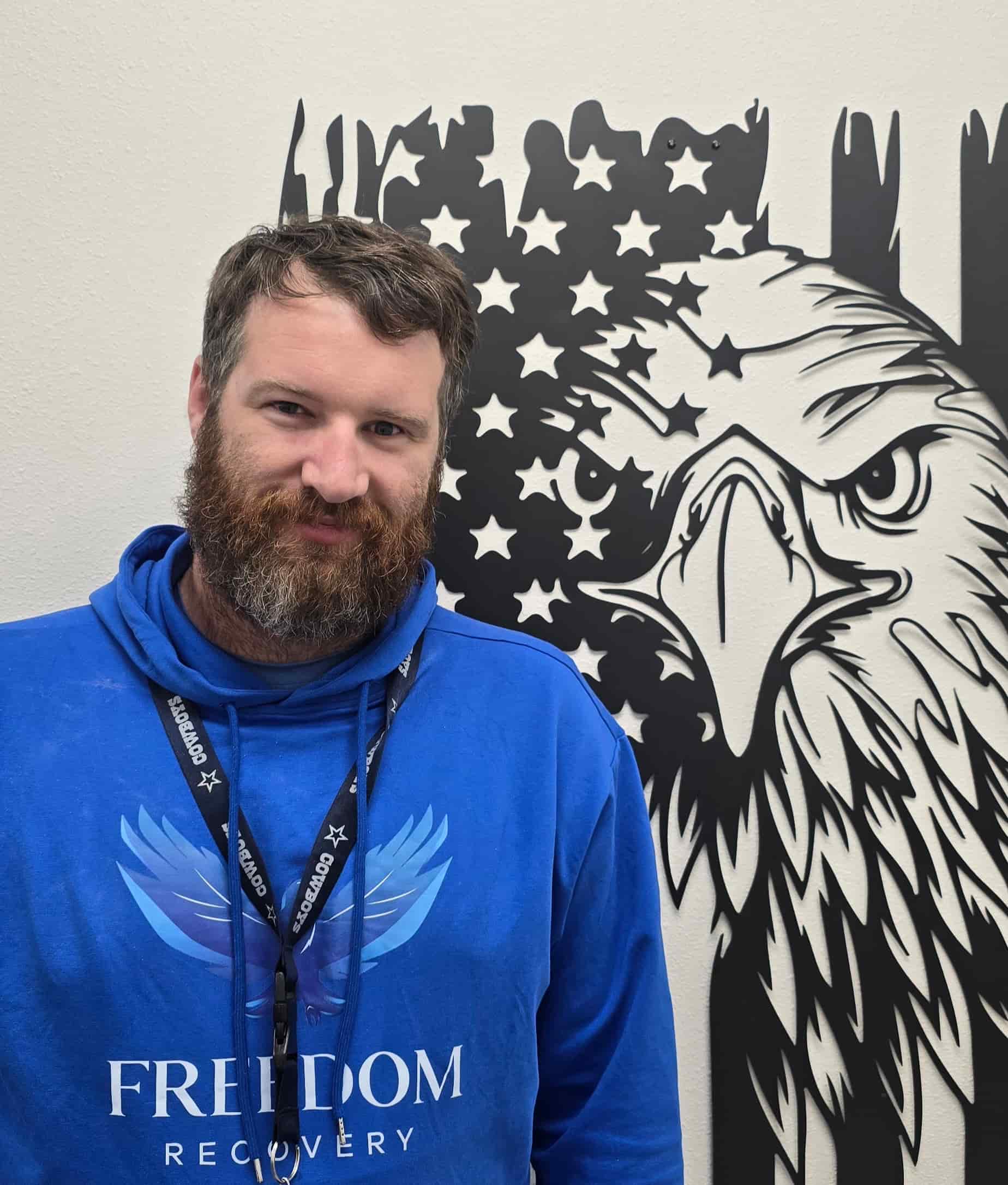
Timothy Palmer is the Clinical Director at Freedom Recovery with experience in general outpatient, correctional, and substance use disorder (SUD) treatment settings. He is trained in Dialectical Behavior Therapy (DBT), Neuro-Linguistic Programming (NLP), and has specialized experience working with Obsessive-Compulsive Disorder (OCD). His approach focuses on helping individuals build effective coping skills, improve emotional regulation, and create lasting change in recovery.

Andrea brings years of experience to the table. By day, she is conquering the world of search engines, and by night, she’s a dog lover, with an interest in tarot readings and all things witchy on a mission to explore the cultural gems of Mexico City.


Is MAT right for you? Explore how medication-assisted treatment works, who may benefit, available medications, and how to decide with a qualified treatment team.

Learn about the serious complications of drug overdose and its potential consequences on your physical and mental health.
.png)
Don't settle for unregulated housing. Learn what to look for in sober living houses near me in Idaho, including accountability, structure, and community support.


