.webp)

Finding addiction treatment can feel complicated, especially when you're trying to figure out what your insurance will cover. If you have Medicaid in Idaho, the good news is that coverage may be available for different types of substance use disorder treatment.
The details can vary depending on your plan, the services you need, and the treatment provider. Some programs accept Medicaid while others don't, so checking your coverage before starting treatment is an important first step.
Here's what to know about using Medicaid for rehab in Pocatello, what questions to ask, and how to find a program that fits your needs.
Idaho Medicaid covers a range of substance use disorder (SUD) services for eligible residents. That includes medical detox, residential inpatient treatment, outpatient therapy, medication-assisted treatment (MAT), and case management. Coverage details can vary based on your specific plan and eligibility, so verifying your benefits before admission is an important step.
SAMHSA's treatment locator and coverage guidance is a reliable starting point for understanding your federal rights around addiction treatment coverage. The Affordable Care Act requires Medicaid to cover substance use disorder treatment as an essential health benefit.
At Freedom Recovery, we accept Idaho Medicaid and work directly with our admissions team to verify your benefits before you begin. You don't have to figure out the paperwork on your own. For a deeper breakdown of what Medicaid covers in Idaho and how it applies to our programs, our Medicaid page walks through it in detail.
Accepting Medicaid is important, but it's only one part of choosing a treatment program. You also want to know what kind of care and support you'll receive.
Ask what levels of care are available and what happens after residential treatment. Does the program offer outpatient care or other ways to stay connected? Is there help with practical needs like housing, employment, transportation, or legal concerns?
It's also worth checking a facility's credentials. CARF accreditation is a recognized standard for quality in health and human services, while LegitScript certification evaluates addiction treatment providers for transparency and compliance. Freedom Recovery holds both, giving you another way to evaluate the program when comparing your options.
.webp)
“Continuum of care” means having support that changes with your needs instead of treatment ending when you leave a residential program. Residential care can be a starting point, with continued support helping you build on the progress you’ve already made.
At Freedom Recovery, the continuum moves through Medical Detox, Residential Inpatient, Partial Hospitalization Program (PHP), Intensive Outpatient Program (IOP), standard Outpatient, and Sober Living. Each step reduces intensity as you build stability, rather than cutting you off abruptly.
Our residential inpatient program in Pocatello provides a structured, homelike environment where you live alongside peers who are working toward recovery too. That sense of community is an important part of treatment, giving you the opportunity to build connection, accountability, and support throughout your stay.
One of the most common reasons people struggle after leaving treatment is that nothing in their outside life was addressed while they were focused on getting well. Housing instability, court dates, no transportation, no job. These aren't separate from recovery. They're directly tied to it.
Case management is integrated into every level of care at Freedom Recovery. Our case managers help clients work through insurance navigation, transportation, housing, employment, and legal concerns during treatment, not after. That's a structural difference that changes what happens when someone leaves our program.
Recovery coaching adds another layer. Our recovery coaches have lived experience with addiction, which means they can speak honestly about what the process actually looks like, not just what it looks like in clinical terms.
.webp)
A lot of people sit on the fence about calling because they're afraid of what happens next. They imagine immediate commitment, confusing paperwork, or being told they don't qualify. The reality is simpler.
The first step is a phone call. You talk with someone on our admissions team about what you're dealing with and what programs might fit. From there, we handle insurance verification and walk through a pre-screening process that covers medical history, substance use history, and clinical readiness. Our clinical team reviews that information to determine the right level of care. You won't be left guessing.
Our admissions page has everything you need to get started, including the insurance verification form. You can also reach us directly at (208) 626-6399, available 24/7. If you're not ready to call, the form is a no-pressure way to start.
We've served the Pocatello community from two locations for years, and we've built something that goes beyond clinical services. Our team includes licensed clinicians, peer recovery coaches, and case managers who have a combined 30-plus years of experience in addiction treatment.
If you want to see what people say about their experience here before making a decision, you can read our client reviews on Google. For more information about our programs and our Pocatello-based services, we're here to answer every question you have.
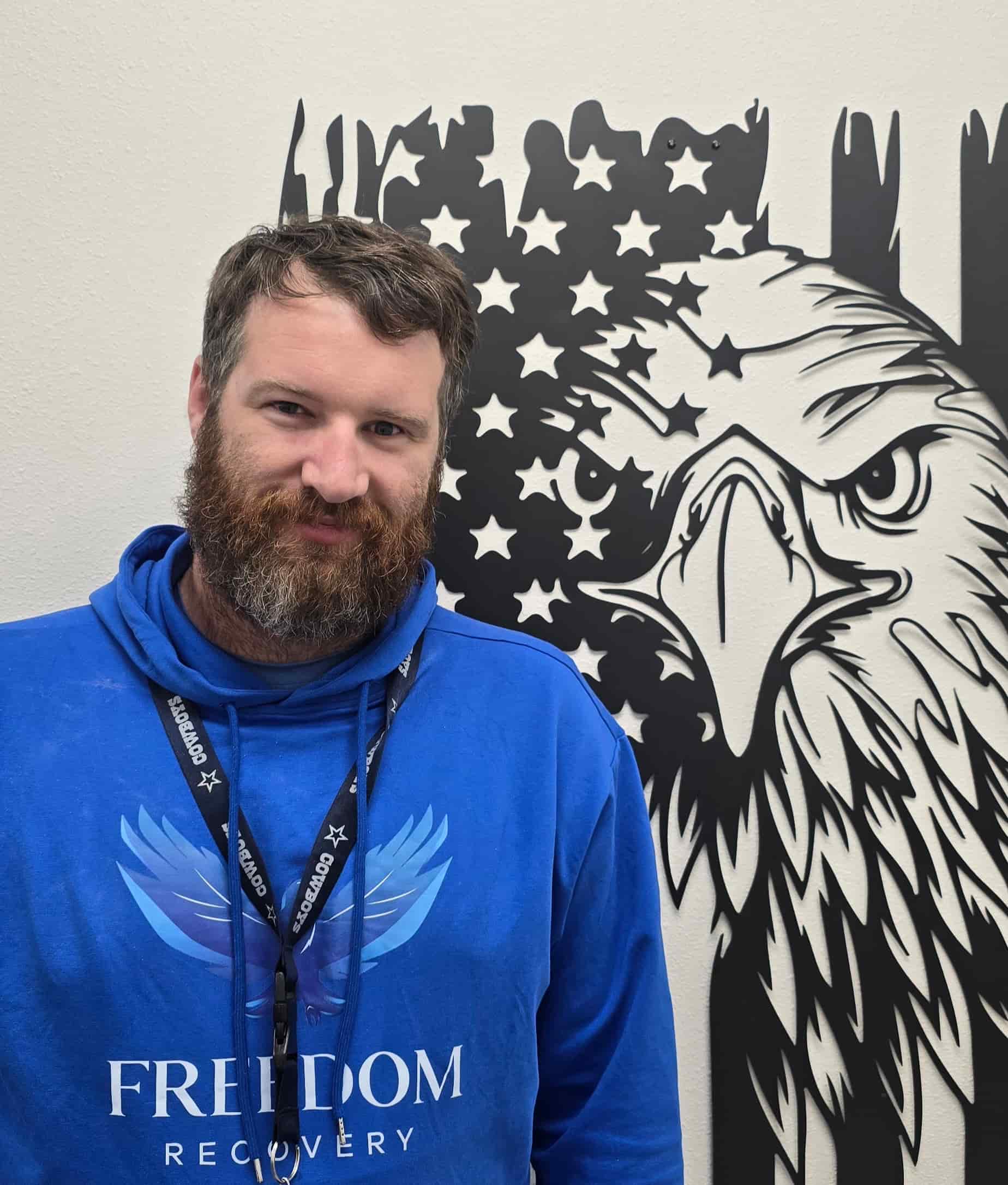
Timothy Palmer is the Clinical Director at Freedom Recovery with experience in general outpatient, correctional, and substance use disorder (SUD) treatment settings. He is trained in Dialectical Behavior Therapy (DBT), Neuro-Linguistic Programming (NLP), and has specialized experience working with Obsessive-Compulsive Disorder (OCD). His approach focuses on helping individuals build effective coping skills, improve emotional regulation, and create lasting change in recovery.

Henna is a seasoned writer and content strategist specializing in behavioral health, addiction recovery, and wellness. She splits her time between the buzz of Los Angeles and the slower rhythms of Mexico, drawing creative energy from both. When she’s not writing, she’s probably off the grid—biking on the backroads or freediving somewhere where there's water.


Discover the most suitable recovery activity for you with this comprehensive guide. Break free from addiction and learn ways to achieve lasting sobriety.

Discover the signs it’s time to seek alcohol rehab Idaho, from tolerance to strained relationships. Learn what to expect from the recovery process.

Learn about addiction in veterans and the treatment methods to help them achieve sobriety.


