




Recovery doesn't end when treatment does. Life after treatment can bring stress, triggers, cravings, and situations that make staying sober more difficult. That's why learning how to handle those moments is an important part of treatment at Freedom Recovery.
In our Pocatello programs, relapse prevention starts early. Clients learn to recognize their triggers, manage cravings, build healthier routines, and know when to reach out for support. These skills are practiced throughout treatment so they can be used in everyday life.
And if you've been through treatment before and returned to substance use, that doesn't mean you're out of options. It may simply be time for a different approach and a stronger plan for what comes next.
What Relapse Prevention Actually Means in Treatment

Relapse prevention is a clinical approach that helps people identify their personal warning signs and build a plan to respond before a crisis hits. It's about learning your patterns, understanding your triggers, and having practiced responses ready when things get hard.
At Freedom Recovery, our clinical team teaches these skills directly, in both individual therapy and group settings. We do Dialectical Behavior Therapy (DBT), a method specifically designed to help people manage intense emotions and change harmful behavior patterns. DBT skills like distress tolerance and emotional regulation are central to how we approach relapse prevention work.
The NIDA framework for relapse prevention recognizes that relapse rates for substance use disorders are similar to those for other chronic conditions like hypertension and diabetes. That comparison matters. It means a relapse isn't a sign that treatment failed. It's a signal that the plan needs adjustment, and that's something you can work on with support.
The Skills We Teach, and Why They Stick
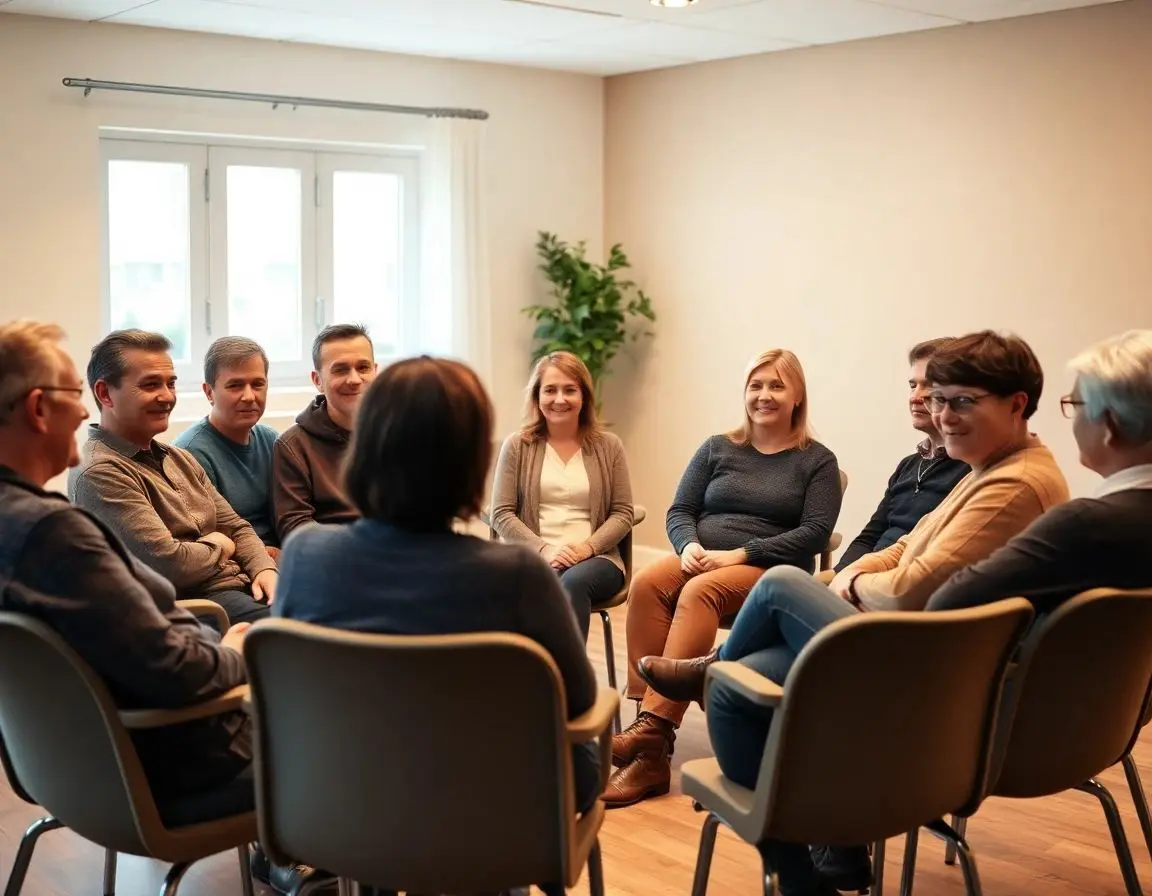
Skills without practice don't hold. That's why our programs give you repeated opportunities to apply what you're learning before you're on your own.
In group therapy, you practice identifying triggers alongside peers who understand exactly what you're going through. In individual sessions, you build a personalized relapse prevention plan with your clinician. In recovery coaching, you get real-time accountability and encouragement from people who've walked this road themselves.
Some of the specific skill areas we cover include recognizing emotional relapse, the stage that happens weeks before any substance use when you stop using coping skills and start isolating. Most people don't know emotional relapse exists until someone names it for them. Once you can see it, you can interrupt it.
We also teach practical life skills through educational classes, which matters more than people expect. Boredom, financial stress, housing instability, and legal problems are relapse risk factors just as much as emotional ones. Our case management services address those concrete pressures directly, connecting clients with housing, employment, and transportation support so recovery has a stable foundation under it.
How Our Continuum of Care Supports Long-Term Relapse Prevention
One of the most effective things a treatment program can do for long-term recovery is not discharge people too soon. Research cited by SAMHSA on substance use treatment planning consistently shows that longer engagement in treatment is associated with better outcomes.
Freedom Recovery offers a full continuum: Medical Detox, 60-day Residential Inpatient, Partial Hospitalization Program (PHP), Intensive Outpatient Program (IOP), standard Outpatient, and Sober Living. Each level is designed to reduce relapse risk at a specific stage of recovery.
During residential treatment, you're in a structured, supported environment 24 hours a day. Staff are on-site around the clock. That structure itself is protective. As you step down through PHP and IOP, you gradually take on more independence while still having group sessions three to five times a week. That graduated transition is intentional. You're not dropped into your old environment without preparation.
For many people, sober living after residential treatment is what makes the difference between short-term sobriety and lasting change. Our recovery housing program gives you peer accountability and a substance-free environment while you rebuild your daily life. If you're wondering what that transition actually looks like, the details are worth reading.
Medication-Assisted Treatment as Part of Relapse Prevention
For certain substances, medication is one of the most powerful relapse prevention tools available. Medications for opioid use disorder, for example, reduce cravings and block the effects of opioids in ways that behavioral skills alone often can't replicate.
Freedom Recovery offers Medication Management (MAT) as part of our treatment programs. We treat medication as one clinical tool among many, not a substitute for therapy, and not something to be ashamed of using.
What Relapse Prevention Looks Like After Treatment Ends
Recovery doesn't stop at discharge, and neither does our support. Freedom Recovery has a dedicated app for alumni that includes daily check-ins, guided meditations, a meeting finder, and a rewards system for milestones. It's a small but real way to stay connected to the community you built during treatment.
We also encourage clients to stay involved in 12-Step meetings, which our programs incorporate throughout treatment. That peer connection, knowing that other people understand what you're going through and are rooting for you, is one of the most consistently protective factors in long-term recovery research.
If you're based in the Pocatello area and ready to take a closer look at your options, our Pocatello programs page has more information about what we offer locally. We accept Idaho Medicaid and are in-network with most major insurance providers, so cost doesn't have to be the reason you wait. You can verify your insurance through our contact page in just a few minutes.
Our team has over 30 years of combined experience in addiction treatment, and we'd genuinely like to hear where you are right now. You can read what our clients say on Google to get a sense of the community you'd be joining, then give us a call whenever you're ready to talk.
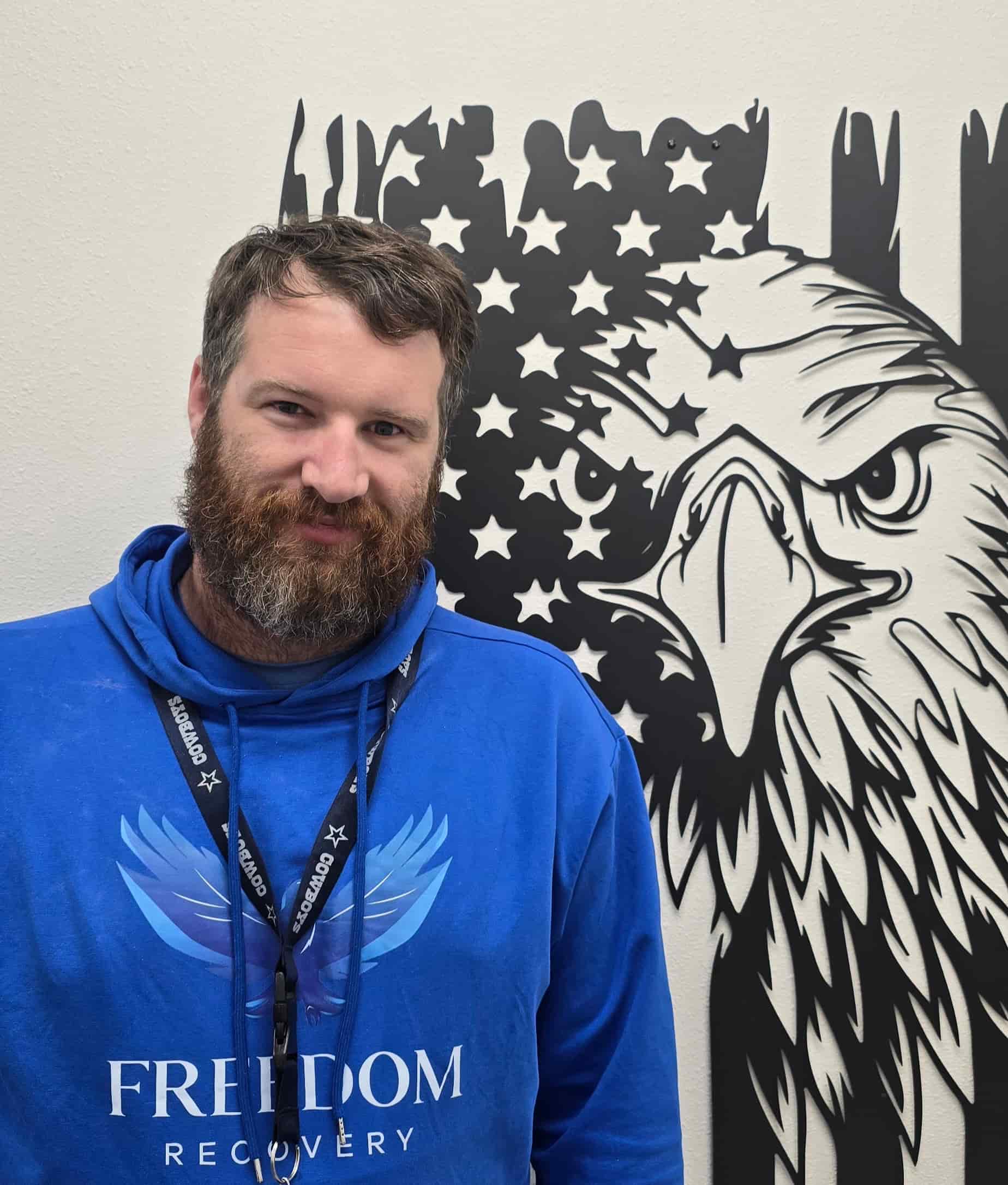
Timothy Palmer is the Clinical Director at Freedom Recovery with experience in general outpatient, correctional, and substance use disorder (SUD) treatment settings. He is trained in Dialectical Behavior Therapy (DBT), Neuro-Linguistic Programming (NLP), and has specialized experience working with Obsessive-Compulsive Disorder (OCD). His approach focuses on helping individuals build effective coping skills, improve emotional regulation, and create lasting change in recovery.

Henna is a seasoned writer and content strategist specializing in behavioral health, addiction recovery, and wellness. She splits her time between the buzz of Los Angeles and the slower rhythms of Mexico, drawing creative energy from both. When she’s not writing, she’s probably off the grid—biking on the backroads or freediving somewhere where there's water.

Other Blogs

Afraid to tell your boss that you need rehab? Learn more about how to secure both your job and your life here.

Learn how these inpatient rehab for drugs provide the foundation for successful, long-lasting recovery.

Learn about Intensive Outpatient Programs and how long they last for individuals dealing with addiction.