.png)

Inpatient rehab and sober living serve different stages of recovery. Inpatient rehab provides 24-hour clinical care for people who need intensive treatment and a highly structured environment. Sober living offers a substance-free home with accountability and peer support, but it usually does not provide medical or clinical treatment.
For many people, inpatient rehab comes first and sober living follows as a step between treatment and independent living. However, not everyone needs inpatient care before entering sober living. The right starting point depends on withdrawal risk, mental health symptoms, relapse history, home environment, and ability to stay safe without round-the-clock support.
Inpatient rehab, also called residential treatment, means you live at the facility full-time while receiving structured clinical care. You are not commuting to appointments. You are not managing the stresses of daily life, at least not alone. The entire environment is designed to support healing from the inside out.
At Freedom Recovery, our residential inpatient program is a 60-day stay. During that time, clients participate in individual therapy, group therapy, educational classes, life skills training, and peer support, with staff available around the clock. The structure is intentional. Early recovery is a time when the brain is still recalibrating, and having consistent support removes a lot of the friction that can derail progress.
According to NIDA's principles of effective treatment, longer engagement in treatment is consistently associated with better outcomes. A 60-day residential program gives the healing process enough time to actually begin.
Sober living is a transitional housing environment. You are no longer in intensive clinical treatment, but you are not fully back into everyday life either. Think of it as a supported bridge between the structure of inpatient care and the independence of living on your own.
Sober living homes are community-based. Residents typically share living spaces, follow house rules around curfew and accountability, and attend outside recovery meetings or outpatient programming. The goal is to practice recovery skills in a more real-world environment while still having a sober community around you.
At Freedom Recovery, our safe and sober living program offers a two-month stay for clients who have completed a higher level of care. It is designed to help you rebuild routines, restore stability, and maintain accountability as you re-enter everyday life.
.png)
Inpatient rehab almost always comes first. That is not a rigid rule, but it reflects how addiction treatment is actually structured. Inpatient care addresses the most acute phase of recovery, including medical detox, early withdrawal, and the initial work of building coping skills and identifying underlying causes.
SAMHSA's continuum of care model recognizes that substance use disorders require different levels of support at different stages. Residential treatment is a higher intensity level of care. Sober living fits closer to the end of that continuum, after formal treatment has laid the groundwork.
Jumping straight to sober living without prior treatment can work for some people, particularly those with shorter histories of use or strong existing support systems. But for most people coming out of significant substance use, skipping residential care and moving directly into a sober living environment means missing the clinical foundation that makes sober living sustainable.
Yes. And this is worth saying clearly because people sometimes feel like needing to step back up to a higher level of care means they failed. It does not.
Recovery is not a straight line. Sometimes someone in sober living experiences a setback and needs the safety and structure of inpatient care again. That is not starting over. That is the system working exactly as it is designed to.
At Freedom Recovery, we offer case management at every level of care, precisely so that clients are never navigating these transitions alone. If a step-up or step-down in care is needed, our team helps coordinate that without shame and without hesitation.
.png)
If you are currently using substances and have not yet completed a medically supervised detox, you need inpatient care first. If you have recently completed treatment and need a structured, sober environment to continue rebuilding, sober living may be your next right step. If you are somewhere in between, that is exactly what a clinical assessment is for.
Our team at Freedom Recovery can walk through your specific situation with you. We accept Idaho Medicaid and work with most major insurance providers, so cost should not be the thing standing between you and the level of care you need. You can visit our admissions page to learn what the process looks like, or call us directly at (208) 626-6399.
If you want to hear from people who have been through our programs, you can read our client reviews on Google and see what that support has meant to them.
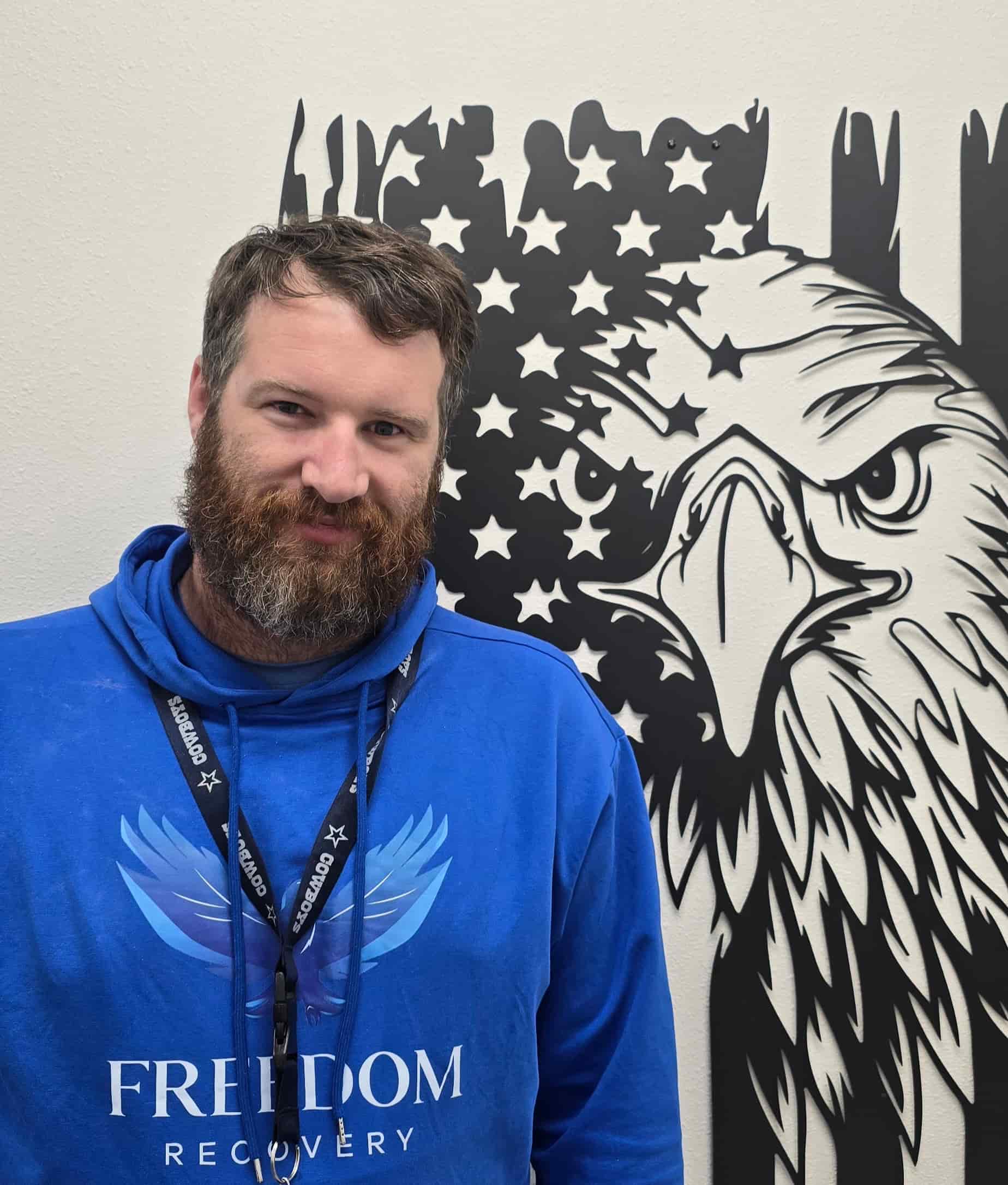
Timothy Palmer is the Clinical Director at Freedom Recovery with experience in general outpatient, correctional, and substance use disorder (SUD) treatment settings. He is trained in Dialectical Behavior Therapy (DBT), Neuro-Linguistic Programming (NLP), and has specialized experience working with Obsessive-Compulsive Disorder (OCD). His approach focuses on helping individuals build effective coping skills, improve emotional regulation, and create lasting change in recovery.

Andrea brings years of experience to the table. By day, she is conquering the world of search engines, and by night, she’s a dog lover, with an interest in tarot readings and all things witchy on a mission to explore the cultural gems of Mexico City.

.jpg)
Learn how MAT supports recovery from opioid addiction. Find out how MAT can help you overcome your addiction and build stability for long-term sobriety.

Learn about the hurdles that stand in the way of achieving sobriety and what you can do to overcome barriers to addiction rehab.
-min.jpg)
Discover what a successful rehab is and learn how recovery goes beyond completing treatment. Explore flexible options like intensive outpatient programs.


