

Finishing a residential treatment program is a real achievement. But if you've ever wondered what comes next or felt nervous about going back to the same environment you left, you're not alone. After all, the weeks and months after rehab are some of the most critical in the recovery journey. And that's where sober living Idaho comes in.
In this article, we’ll talk about what happens after rehab, why the transition home can be so vulnerable, and how sober living houses near me help bridge the gap between treatment and independent living.
Here’s the thing about overcoming your addiction: Recovery doesn’t stop when treatment ends. It just changes shape.
Indeed, residential treatment provides structure, community, and a safe environment removed from triggers. But when that structure ends, the real test begins.
Going directly from a 30- or 60-day program back to the same home, neighborhood, or social circle, without enough support in place, is one of the most common reasons relapse happens. It's not a failure of willpower. It's a gap in the continuum of care.
That gap is exactly what sober living homes near me are intended to close.
Sober living houses are structured, substance-free residences where people in recovery live together while continuing their outpatient treatment or reintegrating into daily life.
Sober living Idaho is not rehab. There's no 24/7 clinical staff and no rigid schedule. But there is accountability, and it comes in the form of house rules, regular drug screenings, curfews, and a community of peers who understand what you're going through.
At Freedom Recovery, our safe and sober living program provides exactly this kind of structured, supportive environment, which aims to help you rebuild independence without losing your footing.

Sober living is more than just a place to stay. It’s a strategic extension of treatment that gives you the time, structure, and support needed to turn early recovery into something sustainable.
Here's why so many people find that sober living Idaho makes a measurable difference:
Sober living homes provide clear expectations (e.g., curfews, drug screenings, and house responsibilities) but without the rigidity of inpatient rehab. This balance helps you rebuild personal responsibility while still having guardrails in place. You’re learning to manage your own recovery, not just follow rules.
Returning straight to an old environment often means facing the same stressors, relationships, and habits that contributed to substance use. Sober living offers a clean, substance-free space where those triggers are removed or minimized, giving your mind and body the chance to stabilize before facing those challenges again.
One of the most overlooked relapse risks is isolation. In sober living, you’re surrounded by people who understand exactly what you’re going through. That shared experience creates accountability, encouragement, and connection, especially during difficult moments when you might otherwise struggle alone.
Instead of being thrown back into full independence, sober living allows you to rebuild your life step by step. Whether it’s finding a job, returning to school, or repairing relationships, you can do it at a pace that supports your recovery, while still having structure to fall back on.
Most residents participate in outpatient therapy, recovery coaching, or support groups while living in sober housing. This continuity reinforces the progress made in residential treatment and helps you actively apply coping skills in real-world situations, where they matter most.
Research consistently shows that people who engage in structured aftercare (especially sober living combined with outpatient treatment) have significantly better outcomes. More time in a supportive environment means more time to build habits, resilience, and confidence before navigating life completely on your own.
Not all sober living homes are created equal. If you're researching or sober living near me, here are qualities that matter:
Idaho-based options like Freedom Recovery's sober living offer access to many other crucial aspects of recovery, including outpatient services, case management, and recovery coaching. The goal isn’t just to stay sober. It’s to build a life where staying sober makes sense.
If you’re wondering whether you’re “ready” to go back to normal life after treatment, you’re not alone. Many people find that having a transitional step between rehab and full independence gives them the stability and confidence they need to stay on track.
Sober living is a strong fit if you:
It can also be a good fit if you’re coming off a shorter detox and aren't ready for full independence yet. The key here is talking with professionals, as an experienced clinical team can help you determine the right timing.

Recovery doesn't end when you leave treatment. It evolves. And having the right sober living Idaho during that transition can be the difference between staying on track and slipping back into old patterns.
Looking for sober living homes near me? Freedom Recovery's sober living program is here to be that steady next step: close to treatment, connected to community, and built for real-life reintegration.
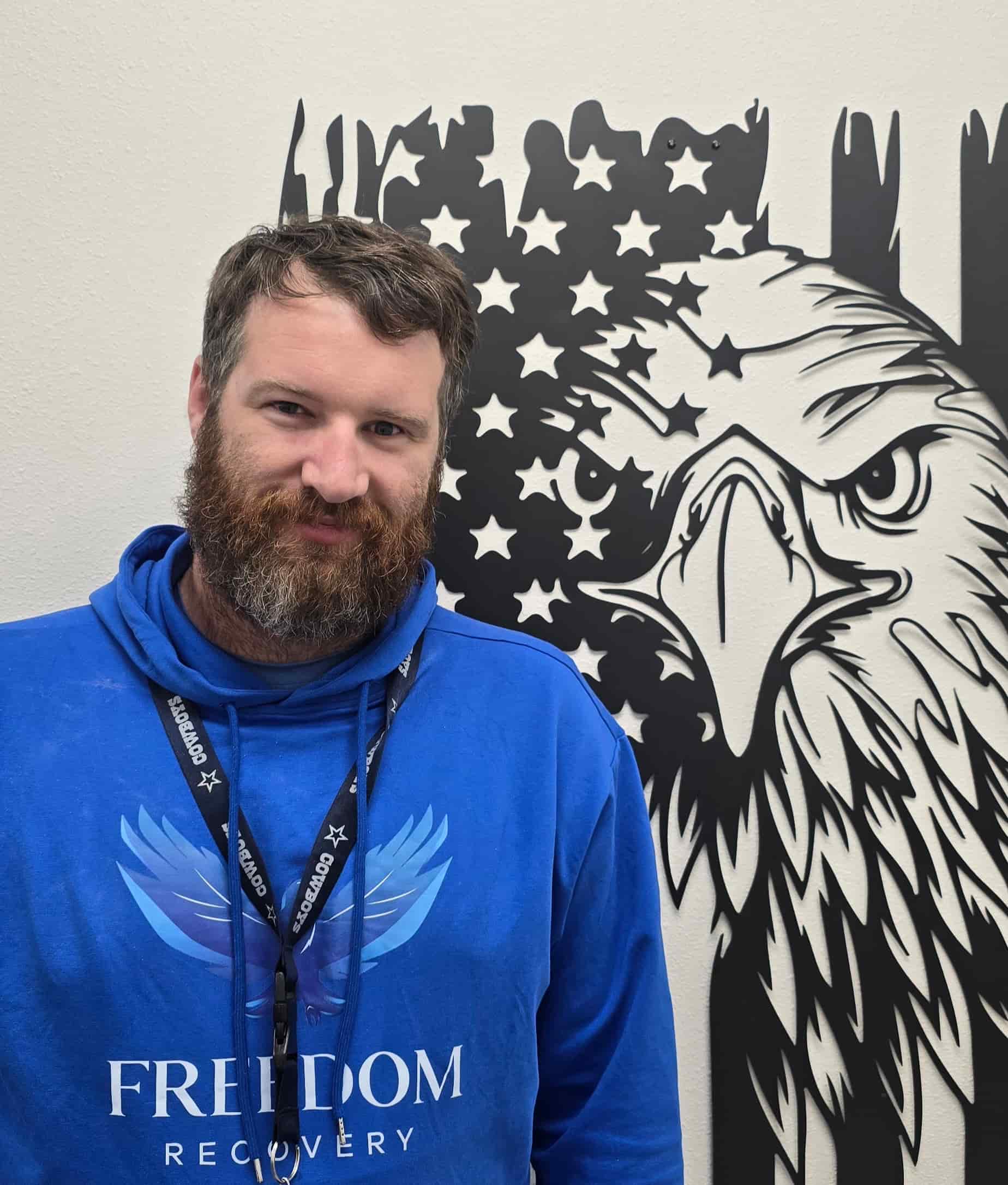
Timothy Palmer is the Clinical Director at Freedom Recovery with experience in general outpatient, correctional, and substance use disorder (SUD) treatment settings. He is trained in Dialectical Behavior Therapy (DBT), Neuro-Linguistic Programming (NLP), and has specialized experience working with Obsessive-Compulsive Disorder (OCD). His approach focuses on helping individuals build effective coping skills, improve emotional regulation, and create lasting change in recovery.

Andrea brings years of experience to the table. By day, she is conquering the world of search engines, and by night, she’s a dog lover, with an interest in tarot readings and all things witchy on a mission to explore the cultural gems of Mexico City.


Gain practical tips to help overcome addiction triggers and stay on track in your recovery.

Find out how a drug rehab program works – its process, the life skills and recovery tools you’ll acquire, and what life after rehab looks like.

Discover the answer to the question, Can you overdose on weed? Find out common symptoms of cannabis overuse and practical tips on how to overcome it.


