

For many individuals struggling with substance use in the Gem State, the journey to recovery begins with a search for flexibility. The appeal of an outpatient schedule is clear: it allows you to maintain your job, stay with your family, and keep up with daily responsibilities. However, for a significant number of people, outpatient care acts as a "band-aid" on a wound that requires intensive surgery.
Determining whether you need a residential inpatient program isn't about a lack of willpower; it is about clinical necessity. In Idaho, where rural isolation and limited local resources can make "white-knuckling" recovery nearly impossible, understanding the signs that you need a higher level of care can be life-saving.
At Freedom Recovery, we provide the structure and safety necessary when traditional outpatient methods have reached their limit. Here is how to know when it’s time to transition to a more immersive recovery environment.
If you have attempted an outpatient program or attended community support groups only to return to use within weeks or months, your current level of care is likely insufficient. Relapse isn't a failure, but it is a data point.
When a person enters a residential inpatient program, they are removed from the immediate availability of drugs or alcohol. In an outpatient setting, you are only "sober" for the hours you are in the clinic. The moment you leave, you are faced with the same dealers, the same liquor stores, and the same stressors. Continuous relapse indicates that your brain needs a longer period of stabilization away from these triggers to properly heal.
The biological reality of addiction often dictates the level of care required. Certain substances, particularly alcohol and benzodiazepines, carry a high risk of life-threatening withdrawal symptoms, including seizures and delirium tremens (DTs).
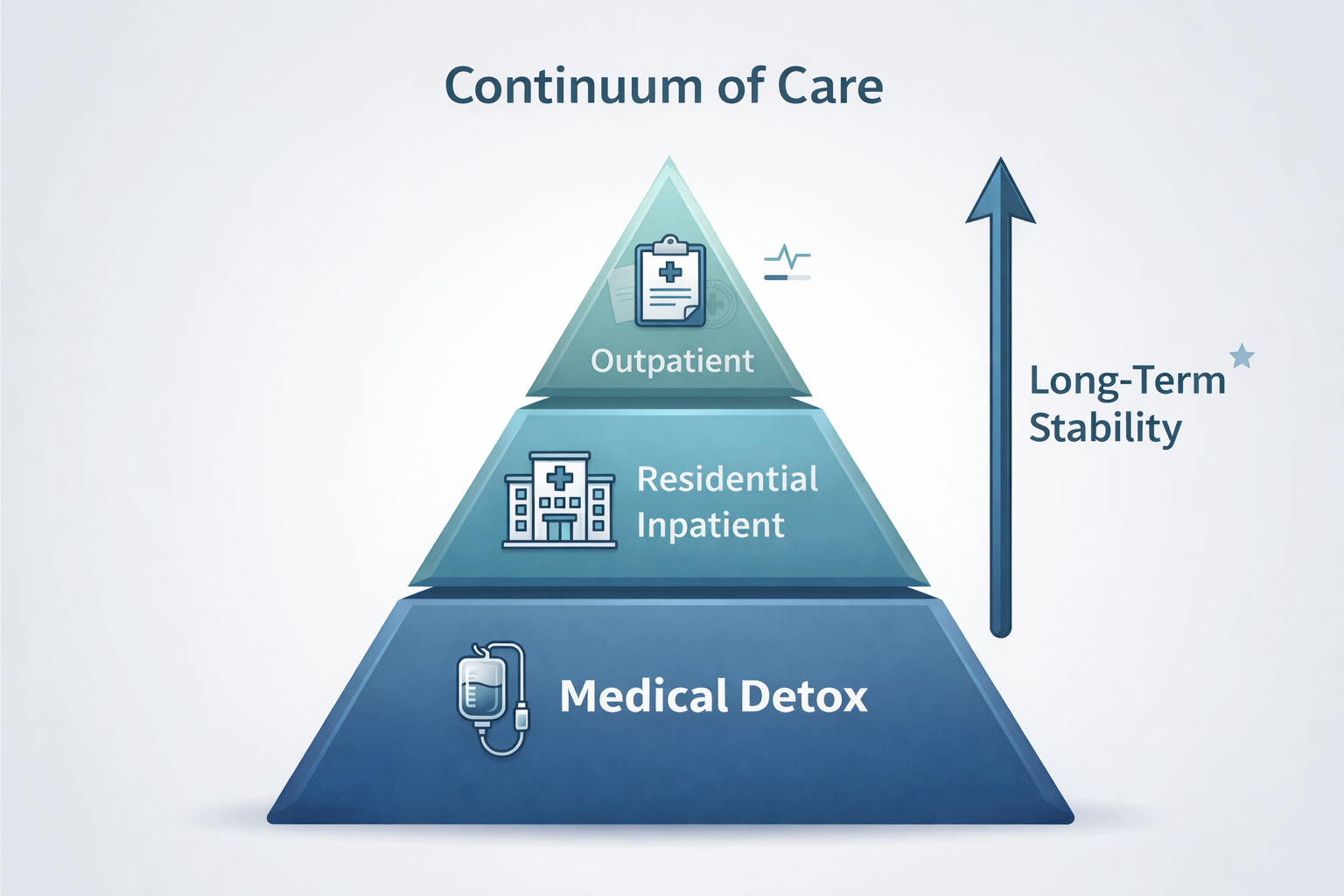
If you are searching for alcohol rehab Idaho services and have a history of heavy, long-term use, attempting to detox or recover in an unsupervised outpatient setting is dangerous. A residential program ensures you have 24/7 access to medical professionals who can manage these risks. This transition often begins with medical detox before moving into the therapeutic phase of residential care.
Idaho’s geography presents unique challenges for recovery. For residents in rural areas outside of hubs like Pocatello or Idaho Falls, an Intensive Outpatient Program (IOP) might require hours of driving several times a week.
This "commuter recovery" often leads to burnout and high dropout rates. When access to consistent care is hampered by distance, a residential inpatient program becomes the most practical choice. It eliminates the stress of travel and ensures that your energy is focused entirely on healing rather than navigating Idaho’s highways.
Recovery does not happen in a vacuum. Often, the "home environment" is a primary contributor to the cycle of addiction. This could be due to:
When your environment is "toxic" to your sobriety, outpatient care is rarely enough. Inpatient residential treatment provides a neutral, supportive territory where you can work on family issues through guided therapy without having to return to the conflict every night.
According to the National Institute on Drug Abuse (NIDA), about half of those who experience a substance use disorder will also experience a co-occurring mental illness.
When you are dealing with severe depression, PTSD, or anxiety alongside addiction, the "check-in" nature of outpatient care often fails to address the complexity of the dual diagnosis. A residential setting allows for integrated treatment, where mental health and drug rehab Idaho protocols are woven together in a single, comprehensive plan.

If you can answer "yes" to two or more of the following, it is time to consider addiction treatment Idaho residents trust for deep, residential healing:
Choosing to enter a residential program isn’t easy, and getting to that point takes a lot.
At Freedom Recovery, we keep groups small so you’re truly supported and not overlooked. With trauma-informed care and 12-step integration, our approach centers on structure, compassion, and consistency to help you feel steady as you begin again.
If you are looking for options that go beyond the standard outpatient model, we are here to help you navigate the transition.
Outpatient care is an excellent tool for many, but it is not a universal solution. When the risks are high, the environment is unstable, or the pattern of relapse is entrenched, a residential inpatient program is the most effective way to break the cycle.
Don't wait for a crisis to decide that you need more support. Expanding your search for the right drug rehab Idaho facility could be the most important step you take this year.
Schedule a consultation with our team today to discuss your needs and see if our residential program is the right fit for your journey.
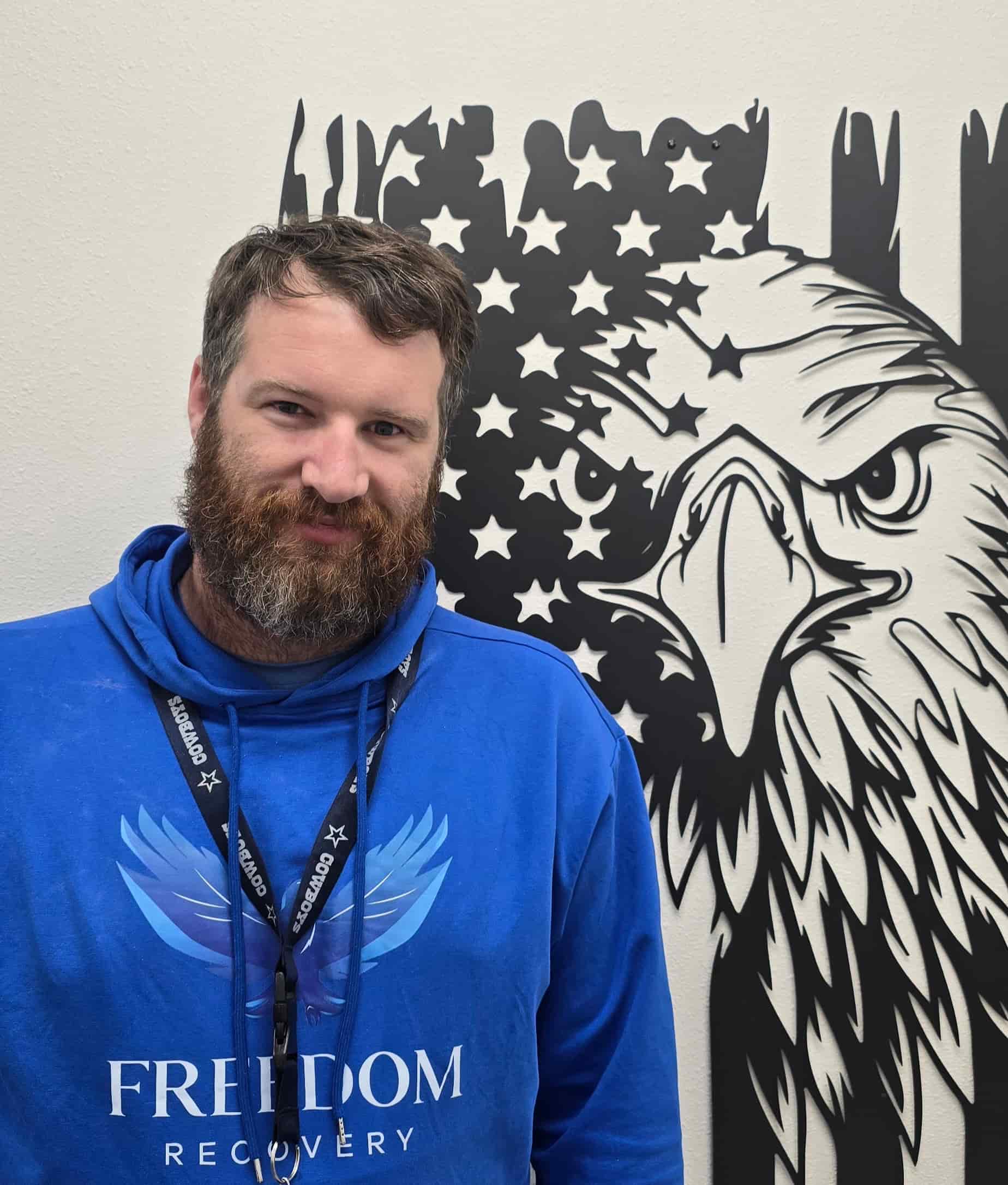
Timothy Palmer is the Clinical Director at Freedom Recovery with experience in general outpatient, correctional, and substance use disorder (SUD) treatment settings. He is trained in Dialectical Behavior Therapy (DBT), Neuro-Linguistic Programming (NLP), and has specialized experience working with Obsessive-Compulsive Disorder (OCD). His approach focuses on helping individuals build effective coping skills, improve emotional regulation, and create lasting change in recovery.

Andrea brings years of experience to the table. By day, she is conquering the world of search engines, and by night, she’s a dog lover, with an interest in tarot readings and all things witchy on a mission to explore the cultural gems of Mexico City.


Learn how these inpatient rehab for drugs provide the foundation for successful, long-lasting recovery.

Learn how substance use affects pregnancy and your baby’s development. Access structured support through an IOP in Idaho for guidance and recovery.
Learn how depression can lead to substance abuse and how comprehensive addiction treatment in Idaho can help you heal both mind and body.


