




If you’ve tried to stop drinking before and couldn’t, it’s easy to conclude that something is wrong with you. That you don’t want it badly enough. That your willpower just isn’t strong enough. But the truth is, lasting recovery often requires more than determination alone, which is why many people turn to alcohol rehab Idaho programs that aim to address the deeper causes of addiction.
But that framing misses something critical. Alcohol use disorder isn’t a motivation problem. For most people, it’s a response to pain, often pain that goes back years or decades before the first drink became a habit.
That’s why the most effective alcohol rehab programs don’t start with willpower. They start with understanding. In this article, you’ll learn why trauma-informed, compassion-first treatment is often more effective than relying on willpower alone and what to look for in quality addiction care.
Why Willpower Alone Doesn’t Work for Alcohol Use Disorder
When talking about recovery, here’s something to always keep in mind: Willpower gets you to the door. Treatment helps you understand why you needed to open it.
Alcohol use disorder changes the brain. It affects dopamine pathways, stress response systems, and the areas of the brain responsible for decision-making and impulse control.
Asking someone to simply decide to stop, without addressing those neurological changes, is like asking someone with a broken leg to just decide to walk. The intention is there. Biology gets in the way.
Add trauma into that picture, and the challenge compounds. Many people drink to manage the symptoms of anxiety, depression, PTSD, or unprocessed grief. Removing alcohol without treating what’s underneath often leaves people in more distress than before, which is precisely why relapse rates are high when treatment focuses only on abstinence. This is why many alcohol and drug rehab Idaho programs now take a more comprehensive approach, treating both substance use and the underlying emotional and mental health challenges that contribute to it.
What Trauma-Informed Alcohol Addiction Treatment Pocatello Looks Like
Trauma-informed care is an approach that recognizes the widespread impact of trauma and integrates that knowledge into every part of how treatment is delivered.
In practice, at a trauma-informed alcohol addiction treatment Pocatello program, this means:
- Staff are trained to recognize trauma responses, not just behavioral patterns
- Sessions create space for emotional processing, not just skill-building
- Safety is established before confrontation. You won’t be pushed before you’re ready
- Co-occurring mental health conditions are treated alongside the substance use, not as an afterthought
- The therapeutic relationship itself is part of the healing
This is fundamentally different from treatment models that focus only on compliance, accountability, and stopping the behavior. Both accountability and compassion are necessary. But compassion has to come first.

Inpatient Alcohol Rehab: When Residential Care Is the Right Level
Not everyone needs residential treatment. But for people with moderate to severe alcohol use disorder, particularly those with a history of withdrawal complications, inpatient alcohol rehab Idaho provides something outpatient care cannot: a fully controlled environment where healing can happen without interruption.
In a residential setting, you’re removed from the people, places, and pressures that reinforce drinking. You have 24/7 access to clinical support. And you’re able to do the deeper therapeutic work that trauma-informed treatment requires, without the noise of daily life pulling you back before you’re ready.
Freedom Recovery’s residential alcohol treatment Idaho program is built on this model, with a clinical team that treats the whole person, not just the drinking.
CARF Alcohol Rehab Idaho: Why Accreditation Matters
When you’re searching for CARF alcohol rehab Idaho, you’re looking for external verification that a program meets nationally recognized standards for quality and person-centered care.
CARF accreditation means a program has been independently evaluated, not just licensed to operate. It reflects a commitment to clinical quality, ethical standards, and continuous improvement.
Freedom Recovery holds CARF accreditation across its programs. That credential matters especially in alcohol use disorder treatment Pocatello because it means the care you receive has been held to a standard beyond the minimum required by state licensing.
What Recovery Looks Like Beyond Stopping
Trauma-informed addiction treatment Idaho isn’t just about removing alcohol from your life. It’s about rebuilding what alcohol was covering up.
That means working through the experiences that made drinking feel necessary. Developing emotional regulation skills that replace the function alcohol serves. Building relationships with people who support sobriety rather than undermine it.
For many people, this also involves stepping down into an intensive outpatient program after residential treatment, so the work continues as they reintegrate into daily life.
Other quality programs reflect similar values. You can explore how compassion-first addiction treatment approaches this elsewhere to understand what to look for in any program you consider.
Ready to Talk to Someone Who Gets It?
Recovery isn’t about becoming someone new. It’s about finding the version of you that was always there.
If alcohol has become something you can’t manage alone, know that it’s not a character flaw. It’s a signal that what you’re carrying is bigger than what anyone should carry without support.
Recovery isn’t about proving you’re strong enough to fight addiction alone. It’s about understanding what alcohol has been helping you carry and finding support that addresses those deeper struggles with compassion and clinical care. The right alcohol rehab Idaho program doesn’t just focus on stopping drinking; it helps you build the tools, stability, and support needed for lasting healing.
At Freedom Recovery, our approach to addiction treatment and alcohol care in Pocatello is built around that understanding. Our team is here to help you figure out the right level of care, with no pressure and no judgment. Talk to us today!
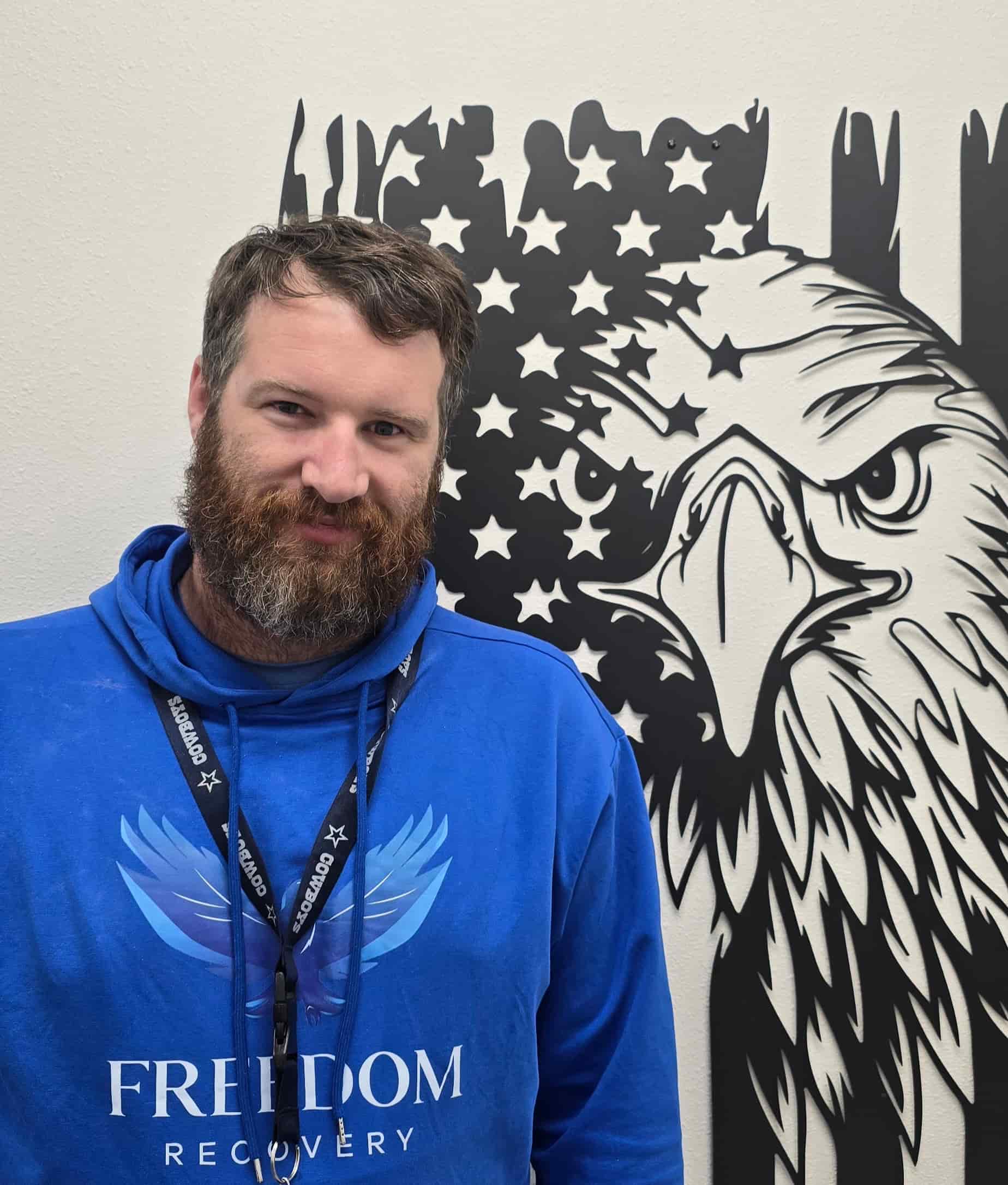
Timothy Palmer is the Clinical Director at Freedom Recovery with experience in general outpatient, correctional, and substance use disorder (SUD) treatment settings. He is trained in Dialectical Behavior Therapy (DBT), Neuro-Linguistic Programming (NLP), and has specialized experience working with Obsessive-Compulsive Disorder (OCD). His approach focuses on helping individuals build effective coping skills, improve emotional regulation, and create lasting change in recovery.

Andrea brings years of experience to the table. By day, she is conquering the world of search engines, and by night, she’s a dog lover, with an interest in tarot readings and all things witchy on a mission to explore the cultural gems of Mexico City.

Other Blogs

Know what Wernicke-Korsakoff or wet brain syndrome is. Learn why alcohol misuse can lead to this neurological condition and how you can prevent it.

Learn how substance use affects pregnancy and your baby’s development. Access structured support through an IOP in Idaho for guidance and recovery.

Discover how nutrition and wellness can help you in your addiction recovery journey. This article also provides insightful tips on how to embrace holistic healing.