

Every year, millions of Americans struggle with medications that were meant to help them. In fact, roughly 13.8 million people misuse prescription drugs annually, whether by taking higher doses than prescribed or using them for reasons other than intended. If you’re wondering whether you might be addicted to prescription drugs, you’re not alone.
Misuse can start innocently: Pain relief that turns into a need, or anti-anxiety medication that suddenly feels essential. The line between use and addiction can be surprisingly thin.
In this article, we’ll cover the common signs of addiction, key risk factors, and what you can do next — including options like drug and alcohol rehab Idaho if you feel ready to seek professional help.
Being addicted to prescription drugs doesn’t always look the way most people expect. But at a basic level, there’s a difference between physical dependence and addiction.
Physical dependence means your body adapts to the drug, and you may experience withdrawal if you stop suddenly. Addiction, on the other hand, involves compulsive use despite negative consequences: You’re using the medication even when it’s harming your health, relationships, or daily life.
The types of prescriptions people misuse most are classified as psychotherapeutic drugs or medications that are prescribed to support mental, emotional, or physical health. These drugs are generally categorized as painkillers, stimulants, sedatives, and tranquilizers. Some common examples include:
It’s important to understand that addiction can happen even if you follow your doctor’s instructions exactly. Sometimes your body and brain respond differently than expected, and what starts as legitimate use can turn into a dependency you can’t manage on your own. If this sounds familiar, reaching out for professional support like addiction treatment Idaho programs is a crucial first step.

It’s normal to worry if you might be addicted to prescription drugs. When this happens, it helps to know what to look for. Recognizing these warning signs early can make a huge difference in getting the support you need.
One of the clearest signs of prescription drug addiction is taking more than what your doctor recommended. You might find yourself increasing your dose without medical guidance or running out of medication faster than expected. Over time, your body or mind can start to crave the drug, making it hard to stick to the original prescription.
If you’re constantly planning your day around your next dose, or feeling anxious when your supply is running low, it could be a sign of dependence. Your thoughts and routines start revolving around the medication, which can interfere with other parts of your life without you even noticing.
Many people find that stopping or reducing their prescription medication triggers withdrawal symptoms. You might feel restless, irritable, nauseous, or generally unwell when you try to cut back. Being unable to reduce your use despite wanting to is a classic sign of addiction.
Going to multiple providers or making excuses to get additional medication is another warning sign. If you feel the need to stretch the system to maintain your supply, it may indicate that your use has moved beyond what was prescribed and into dependency.
Prescription drug addiction can affect your emotional state. You might feel irritable, anxious, or even depressed when the medication isn’t available. These mood swings can make everyday life harder and can strain your relationships if left unaddressed.
Addiction often starts to interfere with responsibilities at home, work, or school. You might notice missed deadlines, declining performance, or withdrawal from friends and family. Keeping your use secret or feeling guilty about it are also common indicators.
Finally, using medication for reasons other than prescribed is a red flag. Taking painkillers to cope with stress, or using stimulants to stay awake or boost productivity, shows that your body and mind are relying on the drug beyond its intended medical purpose.
If you find yourself addicted to prescription drugs, understand that it’s not a sign of weaknessl it’s how your brain and body respond to certain chemicals.
Prescription medications, especially opioids, benzodiazepines, and stimulants, interact with your brain’s reward system. They release chemicals like dopamine that make you feel good, calm, or focused. As time goes by, your brain starts to rely on the drug to trigger these feelings, which can make it incredibly hard to stop.
Another factor is tolerance and withdrawal. As your body gets used to the medication, the same dose doesn’t produce the same effect, leading you to take more. If you try to reduce or stop the medication, you may experience withdrawal symptoms — everything from irritability and anxiety to nausea and insomnia — which can make quitting feel impossible without help.
Certain risk factors can make addiction more likely:
Starting to realize that your prescription drug use may be more than just medical? Taking action sooner rather than later is already huge. Thesee are some of the key steps you can take to get support and protect your health.
Reach out to your primary care provider or an addiction specialist. They can assess your situation and guide you toward appropriate care. Programs like alcohol and drug rehab Idaho provide professional help tailored to your needs, so you’re not trying to navigate this alone.
Certain medications (especially opioids and benzodiazepines) can trigger dangerous withdrawal if you quit abruptly. Medical supervision ensures your body can adjust safely and helps reduce discomfort while you begin recovery.
There are different approaches depending on your level of need:
The first step in many recovery programs is detox, which is done under medical supervision when necessary. Detox helps your body safely adjust to life without the substance and can make the next stages of recovery more manageable.
From there, most programs combine individual and group therapy to address the underlying reasons for your addiction, teach coping skills, and provide support from others who understand what you’re going through.
For those struggling with opioid addiction, medication-assisted treatment (MAT) can be a game-changer. MAT combines medications with therapy to reduce cravings and withdrawal symptoms, making it easier to stay on track. Beyond therapy, ongoing support and structured aftercare are essential. This can include peer support groups, continued counseling, or outpatient programs.
One thing to keep in mind is that recovery is absolutely possible, even if it feels overwhelming right now.

If you’ve read this far and are wondering whether you might be addicted to prescription drugs, know that simply asking the question is a sign of self-awareness — and the first step toward getting help. We’ve covered the common signs of addiction, why it happens, risk factors, and practical steps for seeking support, including professional programs in Idaho.
Whether through inpatient rehab, IOP in Idaho, or personalized therapy, professional care can help you safely detox, address underlying issues, and build lasting habits for a healthier life.
At Freedom Recovery, we offer such services, coupled with care tailored to people struggling with prescription drug use. Reach out today!
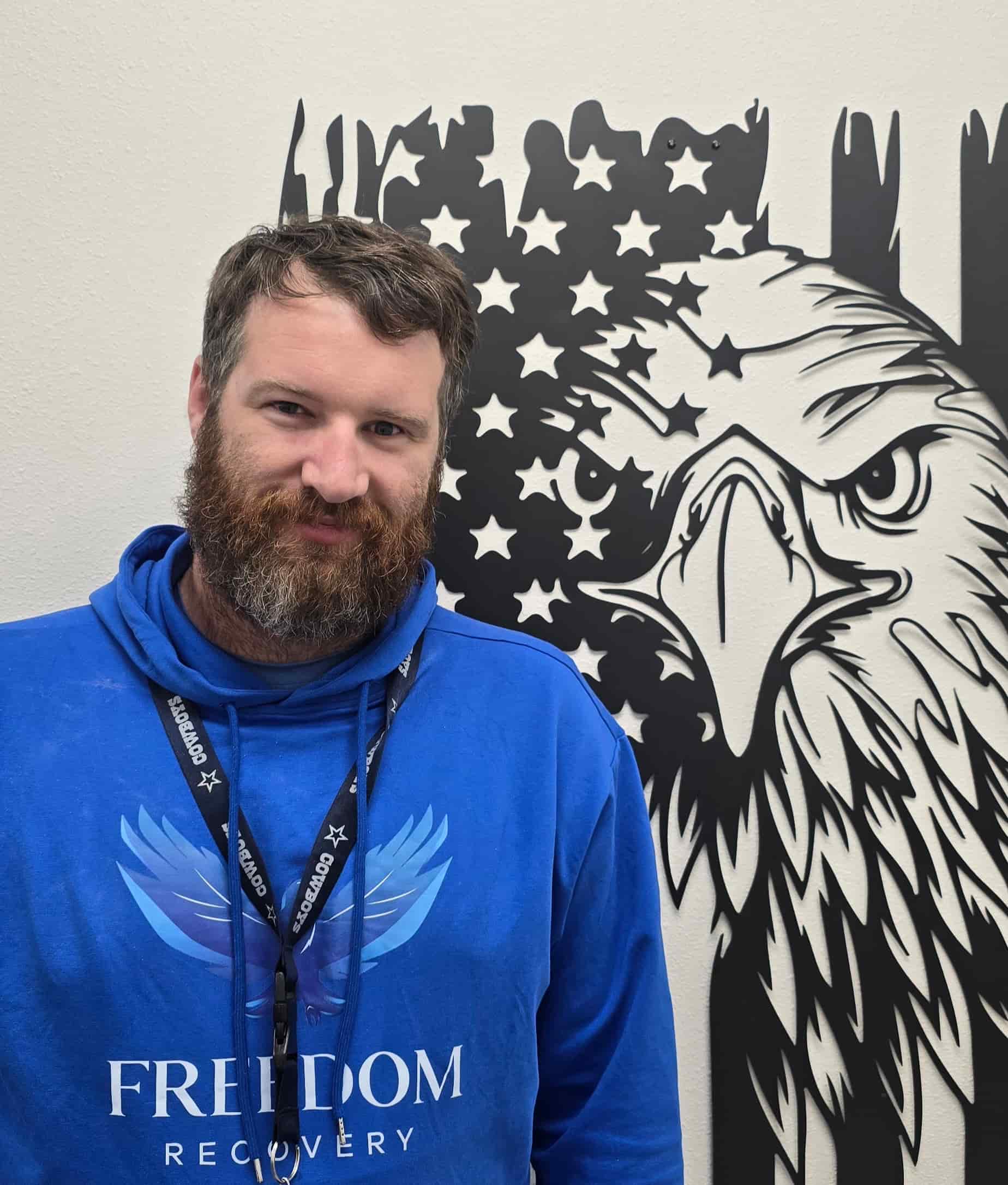
Timothy Palmer is the Clinical Director at Freedom Recovery with experience in general outpatient, correctional, and substance use disorder (SUD) treatment settings. He is trained in Dialectical Behavior Therapy (DBT), Neuro-Linguistic Programming (NLP), and has specialized experience working with Obsessive-Compulsive Disorder (OCD). His approach focuses on helping individuals build effective coping skills, improve emotional regulation, and create lasting change in recovery.

Emmy is a content specialist dedicated to helping brands boost their online presence and reputation. With expertise across diverse niches—including behavioral health—she crafts messages that resonate with target audiences and drive engagement.

.png)
Don't settle for unregulated housing. Learn what to look for in sober living houses near me in Idaho, including accountability, structure, and community support.

Learn about the serious complications of drug overdose and its potential consequences on your physical and mental health.

Being sober has its own set of unique benefits and advantages. Discover 10 reasons to love the sober lifestyle and all the positive changes it brings.


