.webp)

If you're searching for a rehab that takes Medicaid in Idaho, you've probably already done the hard part: deciding you want help. What you shouldn't have to do next is wade through a confusing system trying to figure out whether you can actually afford treatment. The short answer is yes, you likely can. Idaho Medicaid covers substance use disorder treatment, and finding a facility that accepts it is more straightforward than most people realize.
This guide walks you through exactly how to find a Medicaid-accepting rehab in Idaho, what to look for once you find one, and what the process actually looks like from your first call to your first day of treatment.
Idaho Medicaid, administered through the Department of Health and Welfare, covers a range of substance use disorder (SUD) services. SUD means a medical condition where substance use causes significant problems in your life and your body becomes dependent on a substance.
Covered services typically include detox, inpatient residential treatment, outpatient programs, and medication-assisted treatment (MAT). MAT uses FDA-approved medications like buprenorphine or naltrexone to reduce cravings and withdrawal symptoms while you work on recovery. Coverage varies based on your specific plan, but the Substance Abuse and Mental Health Services Administration confirms that Medicaid-covered SUD treatment is a protected benefit under federal law.
You can learn more about exactly what Idaho Medicaid covers for rehab in our complete guide to Medicaid coverage for drug and alcohol rehab in Idaho. It covers the specific programs, eligibility requirements, and how to verify your benefits before you call.
The fastest starting point is SAMHSA's treatment locator, a free federal database where you can filter by state, location, and payment type, including Medicaid. Enter your zip code, check the Medicaid filter, and you'll get a list of licensed facilities near you.
A few things to confirm once you have a list. First, make sure the facility is currently accepting Idaho Medicaid, not just listed as accepting Medicaid in general. Enrollment status changes. Second, check whether the facility is CARF-accredited, which means an independent organization has reviewed and certified its quality of care. Third, ask whether your specific Medicaid plan is accepted, since not all plans are the same.
You can also call Idaho's Behavioral Health line or your Medicaid caseworker directly. They can tell you which treatment programs in your area are currently credentialed to serve Medicaid members.
.png)
Finding a rehab that takes Medicaid is the first step. Finding one that actually fits your situation is what makes the difference.
Ask about the level of care they offer. A full continuum of care means the facility can support you from detox through residential treatment, then step you down into outpatient programs and sober living as you stabilize. This matters because recovery doesn't end when inpatient ends. Research from the National Institute on Drug Abuse consistently shows that longer engagement in treatment is associated with better outcomes.
Ask whether they offer dual diagnosis treatment. Dual diagnosis means treating both substance use and a co-occurring mental health condition, like depression, anxiety, or trauma, at the same time. Many people who struggle with substance use are also managing an undiagnosed or undertreated mental health condition, and treating only one without the other rarely works.
Ask about their case management services. A good case manager helps with the practical things that threaten recovery: housing instability, transportation, employment, legal concerns. These aren't extras. They're part of what makes treatment stick.
Most quality facilities follow a similar intake process. Understanding it in advance removes a lot of fear.
At Freedom Recovery in Pocatello, the process has three steps. You call to talk through your situation and learn which programs fit your needs. The admissions team then walks you through insurance verification, paperwork, and building your treatment plan. Once that's processed and approved, you begin treatment. The admissions team handles the insurance verification for you, so you're not on hold with Medicaid trying to sort out coverage on your own.
The initial conversation includes a clinical pre-screening, roughly 45 minutes, covering your medical history, substance use, and where you are right now. This isn't a test. It's how the clinical team figures out the right level of care for you specifically. You can start that conversation by visiting the admissions page or calling (208) 626-6399.
.png)
Freedom Recovery is a CARF-accredited, LegitScript-certified treatment center in Pocatello with two locations. The clinical team carries more than 30 years of combined experience in addiction treatment.
The full continuum of care includes medical detox, 60-day residential inpatient, partial hospitalization (PHP), intensive outpatient (IOP), standard outpatient, and sober living. Services include trauma-informed care, medication management, individual and group therapy, family therapy, recovery coaching, and life skills training.
Idaho Medicaid is accepted. The admissions team verifies benefits before you come in, so there are no surprises about cost on your first day.
If you're researching treatment options for yourself or someone you love, see what our clients say on Google. Over 100 five-star reviews from people who've walked through this process can tell you more than any facility description.
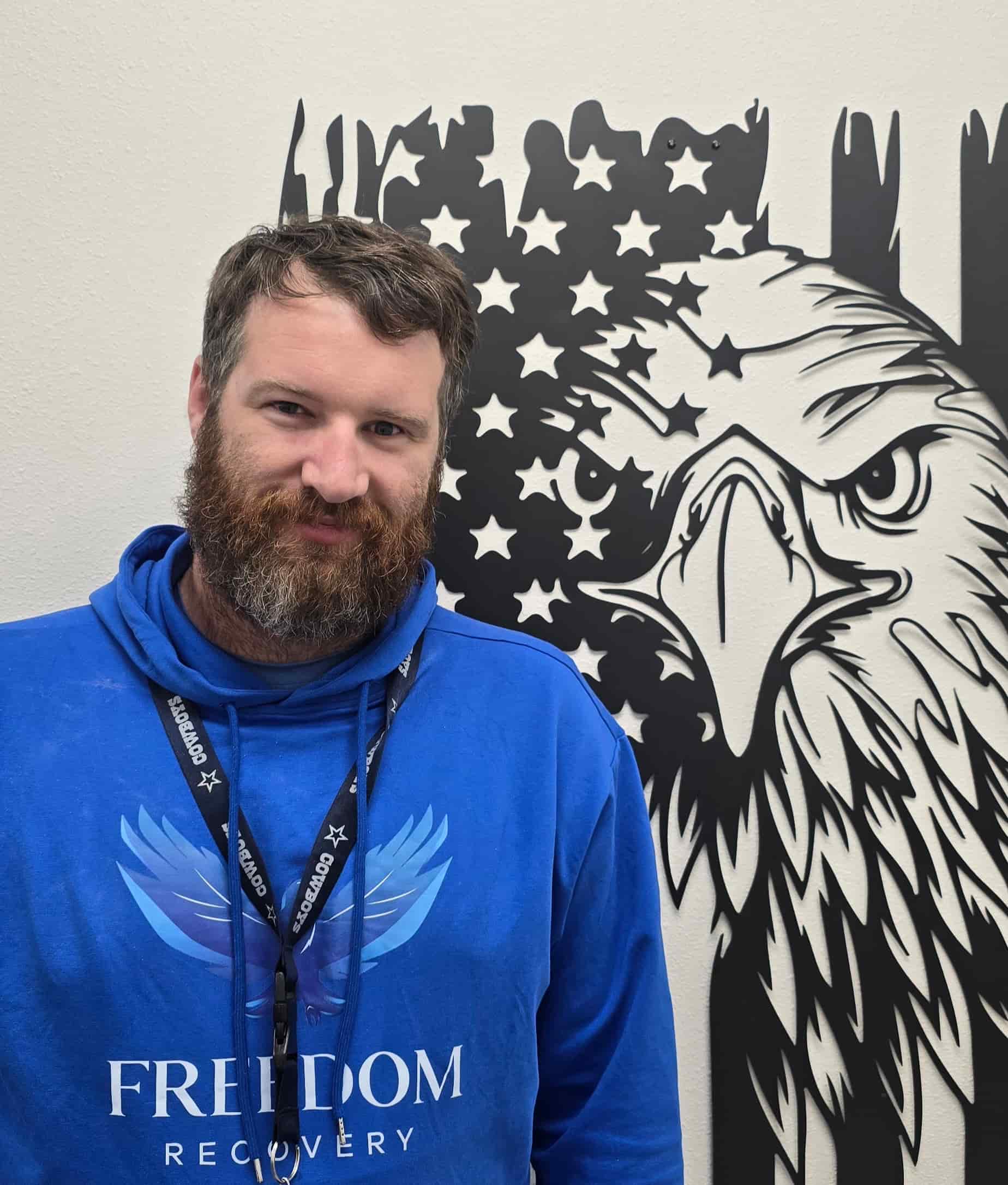
Timothy Palmer is the Clinical Director at Freedom Recovery with experience in general outpatient, correctional, and substance use disorder (SUD) treatment settings. He is trained in Dialectical Behavior Therapy (DBT), Neuro-Linguistic Programming (NLP), and has specialized experience working with Obsessive-Compulsive Disorder (OCD). His approach focuses on helping individuals build effective coping skills, improve emotional regulation, and create lasting change in recovery.

Andrea brings years of experience to the table. By day, she is conquering the world of search engines, and by night, she’s a dog lover, with an interest in tarot readings and all things witchy on a mission to explore the cultural gems of Mexico City.

-min.jpg)
Discover what a successful rehab is and learn how recovery goes beyond completing treatment. Explore flexible options like intensive outpatient programs.

Discover the signs it’s time to seek alcohol rehab Idaho, from tolerance to strained relationships. Learn what to expect from the recovery process.

Gain insight into long-term residential rehab. Understand what to expect, explore essential services, and find the right rehab facilities for lasting recovery.


