




Let’s face it: The most challenging thing about addiction is admitting that you need help. It will feel embarrassing, atypical, and stressful, but it’s the most crucial step in moving forward. A little preparation goes far, and it’s about time you let this blog about addiction rehab help you out.
How You Can Mentally Prepare For Rehab
There is both hope and help for addiction, and it’s essential that you give yourself and your recovery process a home. Mental preparation for rehab includes acknowledging your fears and anxieties. It’s important to validate your uncertainties about what will happen next.
Experiencing all this is normal, but developing your emotional readiness is critical to prevent entering that spiral.
Here are some strategies that may help you out.
- Ask questions. Look into their facility's rules and expectations, visitor guidelines, and whether they’ll provide you with aftercare.
- Define your “why.” Withdrawal will be challenging during the first few rehab sessions, and your brain will want to back out. Have something to keep you grounded. Find the answer to the question, What brings you here?
- Spend time with support systems. Spend time with positive support systems reminding you why you’re doing this. Be surrounded by those who ease your anxieties, fears, and premature exhaustion.
- Avoid binging. There’s no need for you to enter rehab sober, but don’t potentially alleviate withdrawal symptoms by binging either. Come to your rehab as you are.
How You Can Prepare For Addiction Rehab
Before you enter rehab, pay attention to tying some loose ends. It may be overwhelming, but just take it step by step.
What To Pack For Rehab
Most centers will provide you with a list of items you’re allowed and not allowed to bring to treatment, but here are some essentials to get you started.
Clothing
Most addiction treatment centers have strict dress codes, so be aware of any restrictions. For starters, pack comfortable shirts, sweaters, jackets, and some yoga pants. A week’s worth should be enough.
Shoes
A typical week at rehab may include recreational activities such as yoga, gardening, or swimming. Pack a pair of everyday sneakers, sports shoes, and slippers.
Personal hygiene items
A common restriction is that personal hygiene supplies must be unopened and alcohol-free, and you’re not allowed to bring any aerosols. Other than that, you’re free to pack your regular shower and grooming supplies (e.g., toothbrush and toothpaste, deodorant, shampoo, and conditioner).
Prescribed medication
You must bring your prescribed medications with you, if any. These, however, must be unopened and verified by the facility staff. Medications outside of their containers, unidentifiable substances, and narcotics are prohibited in all rehab centers.
IDs and directories
You must bring a list of names, addresses, and phone numbers of your loved ones and people of importance. Similarly, prepare forms of identification, insurance cards, and credit cards.
Prohibited items in addiction rehab also include weapons (e.g., guns or sharp objects), pornography, electronics (e.g., video games, televisions, gaming consoles), and cleaning supplies (e.g., bleach).

Addressing Legal And Work Obligations
Contact your insurance carriers and employers to let them know you’re entering treatment; discuss insurance inclusions, plans for current and pending work responsibilities, and how you can return to regular work later.
Take comfort in the availability of resources that may guide you. The Family and Medical Leave Act (FMLA) states that everyone is entitled to 12 weeks of medical leave, which can cover a substantial portion of their stay.
Handling Finances
On top of legal matters, ensure that you’ve made arrangements to pay your bills in your absence and cancel any subscription you don’t need.
Setting Up A Support System
Of course, don’t forget to inform your close friends and family about your decision. Spend time with them before officially beginning addiction rehab, even if you’ll likely see them between treatments.
Schedule hangouts before rehab, discuss means of communication, and arrange intimate sessions post-rehab.
Navigating Family And Relationships
The decision to enter addiction rehab is a life-changing decision. Having honest conversations with your loved ones allows you to take this journey step by step and provides a safe space for everyone.
Take this chance to inform them about your temporary absence. Provide them an avenue to understand, ask questions, and mentally prepare. Doing all this will set the ground for you to be on the same page.
Understanding The Rehab Admission Process
Facility staff understand that all of this may be overwhelming, so there are always rehab admission navigators who can listen to your story. Through pre-screening, they will better understand your clinical needs and evaluate which facilities may be best suited for you.
Your navigator may also inform you of payment methods and insurance coverage for your treatment. Once a facility is decided, you will review the center’s guidelines, rules, and routines with your navigator.
Setting Realistic Expectations For Rehab
Addiction recovery is a journey, and you’ll most definitely struggle at some point, but that’s a part of it. Be at home with the idea of progress.
Get familiar with the roles of all your rehab activities, and realize how every single one of these is one step towards sobriety. Don’t rush your recovery — this is not a race.
Post-Rehab Planning
Say it: You’re going to get out of the rehab center, and you’re exiting sober. Indulge and plan how you’re going to get back on track.
How do you want to spend your life? How are you going to stay sober? Figure out the answers to these questions, and look into the aftercare services of your facility center while you’re at it.

Navigating the Road to Addiction Recovery
Reaching out for addiction rehab is an achievement in and of itself, and you should be proud of finally taking that call. While nothing can truly prepare you for what’s to come, you can still take steps to ease yourself, your uncertainties, and your worries.
Would you like to take a helping hand and commit to a life of overcoming addiction? Get in touch with Freedom Recovery for professional and guided treatment today!
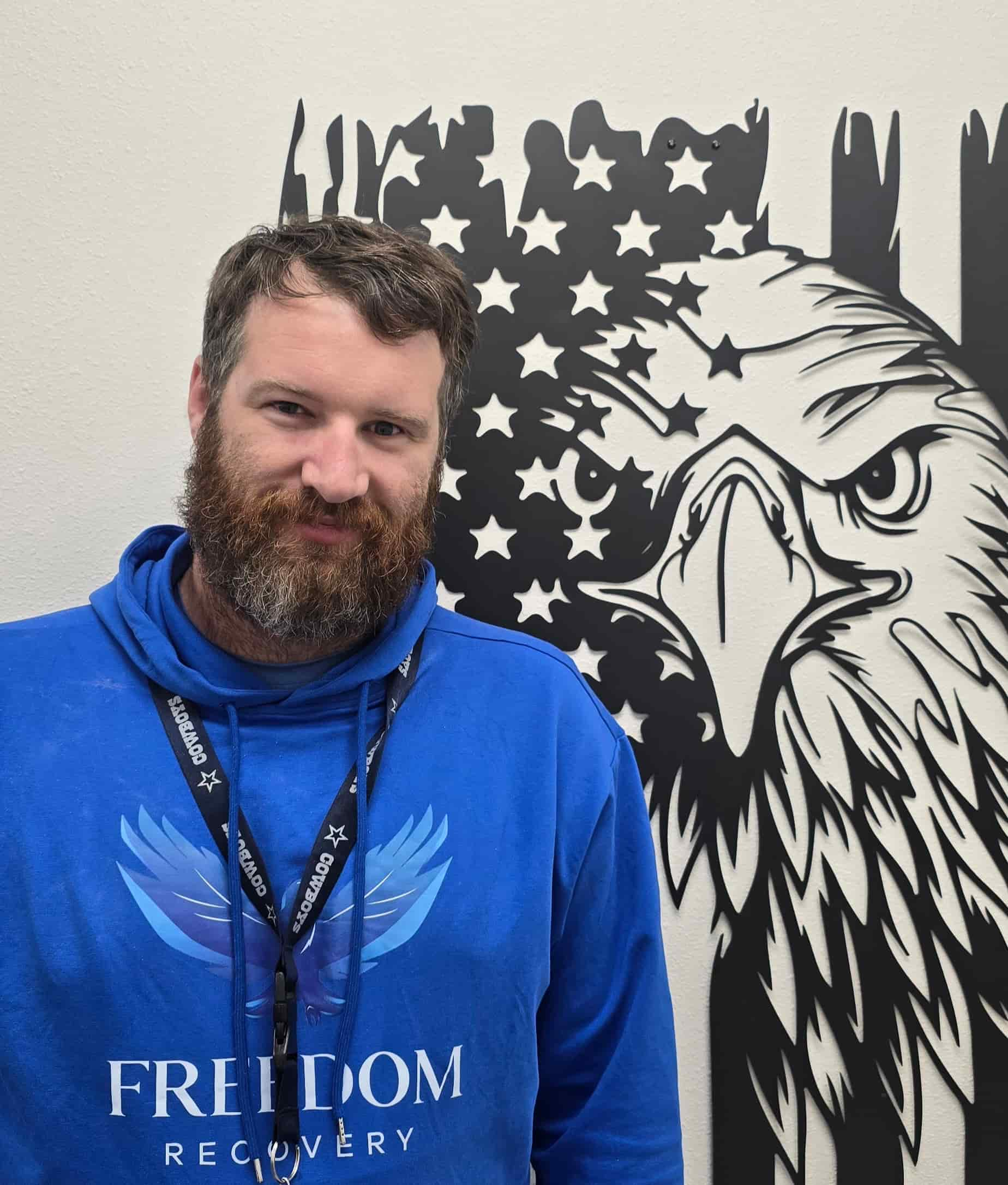
Timothy Palmer is the Clinical Director at Freedom Recovery with experience in general outpatient, correctional, and substance use disorder (SUD) treatment settings. He is trained in Dialectical Behavior Therapy (DBT), Neuro-Linguistic Programming (NLP), and has specialized experience working with Obsessive-Compulsive Disorder (OCD). His approach focuses on helping individuals build effective coping skills, improve emotional regulation, and create lasting change in recovery.

Henna is a seasoned writer and content strategist specializing in behavioral health, addiction recovery, and wellness. She splits her time between the buzz of Los Angeles and the slower rhythms of Mexico, drawing creative energy from both. When she’s not writing, she’s probably off the grid—biking on the backroads or freediving somewhere where there's water.

Other Blogs

Finding a rehab that takes Medicaid can feel overwhelming. This guide walks Idaho residents through the steps to verify coverage and access treatment.

Learn how to get into a sober living house and what to expect once you move in. Discover the benefits and different steps to make your transition smooth.

Discover signs of stimulant use disorder and explore treatment options. Learn how addiction treatment Idaho can support recovery and long-term healing.