




Leaving inpatient rehab is a big step, but recovery doesn't end when your loved one comes home. In many ways, this is when a new phase begins. They’re returning to everyday responsibilities, relationships, stress, and triggers without the structure and around-the-clock support of residential treatment.
For families, that transition can bring a mix of relief, hope, and uncertainty. You want to be supportive, but you may not know when to step in, when to give them space, or what to do if things start to feel off.
Here are some practical ways to do that.
Understand That Recovery Is a Direction, Not a Destination
Addiction is a chronic condition, and completing a 60-day residential program doesn't mean recovery is finished. According to the National Institute on Drug Abuse (NIDA), addiction can affect brain functions involved in reward, stress, and self-control. Treatment creates a foundation for recovery, but adjusting to everyday life and maintaining those changes takes continued time and support.
When you understand this, your expectations changes. You stop waiting for your loved one to be "back to normal" and start focusing on what forward looks like, one day at a time. That reframe matters more than most families realize.
It also means a relapse, if one happens, is not proof that treatment failed. The response to a relapse, how fast someone gets back into support, matters far more than the relapse itself.
Take Care of Yourself Without Apology
You cannot pour from an empty cup. Families of people in recovery often exhaust themselves monitoring, worrying, and managing, to the point where they have nothing left. That doesn't help your loved one, and it is genuinely harmful to you.
SAMHSA's family resources exist because families need support too, not just the person in recovery. Consider joining a group like Al-Anon or Nar-Anon. They give you a community of people who understand what you're living through.
Taking care of yourself also sets an example. When your loved one sees you maintaining your own health, your own relationships, and your own limits, it models the kind of balanced living that recovery requires.
Know the Difference Between Support and Enabling
This is the line families struggle with the most, and there's no perfectly clean answer. Enabling generally means protecting someone from the natural consequences of their choices in ways that make it easier for them to continue using. Support means helping them stay on the path they've chosen.
Paying rent so they don't lose housing while they stabilize in outpatient treatment is support. Paying rent for the fourth time after they've spent their own money on substances is enabling. The specifics matter, and they change over time.
Your loved one's care team, whether that's a clinician, a recovery coach, or a case manager, can help you think through specific situations. You don't have to figure this out alone.
Build a Structured Environment Together

People leaving inpatient treatment do best when they have structure. Unplanned time, especially in the early weeks, creates space for cravings to move in. Helping your loved one build a weekly routine isn't controlling. It's protective.
This might mean supporting their attendance at IOP (intensive outpatient) sessions, making sure they know where their next 12-Step meeting is, or simply having a regular family dinner that gives the week an anchor point. Small structures add up. If your loved one is transitioning into a sober living environment, that structure is already built in. Freedom Recovery's residential housing program and sober living pathway in Pocatello are made exactly for this kind of in-between phase, when someone is no longer in inpatient care but not yet ready to manage full independence.
Don't Use Love and Comfort as Leverage
This one is painful to name, but it happens in well-meaning families all the time. It sounds like: "If you really loved us, you'd stay sober." Or: "After everything we've done for you." The intention behind these words is usually fear or grief. But what they communicate to your loved one is shame, and shame is one of the most reliable triggers for relapse.
Your love is not a reward for good behavior. It's a constant. Keep it that way. Express your pain, your fear, your hope. All of that is fair. But anchor your relationship in something unconditional, because that unconditional foundation is often what someone returns to when everything else falls apart.
Let Them Learn From Their Mistakes
Recovery requires a person to develop their own ability to cope, regulate, and make better decisions. That can't happen if someone is always stepping in to soften every consequence. This is one of the hardest parts of supporting someone after rehab, because your instinct is to protect.
The goal isn't to watch your loved one suffer. The goal is to let natural consequences teach what they need to teach, while making sure your loved one still has a safety net for genuinely dangerous situations. Internal motivation, the kind that develops when people experience the real impact of their choices, is a stronger predictor of lasting recovery than external pressure.
Know What's Available in Pocatello
Supporting someone after rehab in Idaho is easier when you know what local resources exist. If your loved one completed alcohol rehab in Pocatello or finished a residential program elsewhere in Idaho, the step-down options matter. A strong continuum of care, from residential treatment into PHP, IOP, and then outpatient, dramatically reduces the risk of relapse in early recovery.
Freedom Recovery's intensive outpatient program offers three to five sessions per week over six to twelve weeks, and the case management services help clients address the practical pieces of rebuilding a life, including housing, transportation, employment, and legal concerns. These aren't extras. They're part of why people stay well.
If you're wondering about alcohol rehab near you in Idaho, or how to help a loved one find the right next level of care, our admissions team is available to walk through options with you and your family. You can also visit our FAQ page for answers to some of the most common questions families have during this transition.
If you'd like to learn more about who we are and how we approach care, you may read our client reviews on Google and contact us.
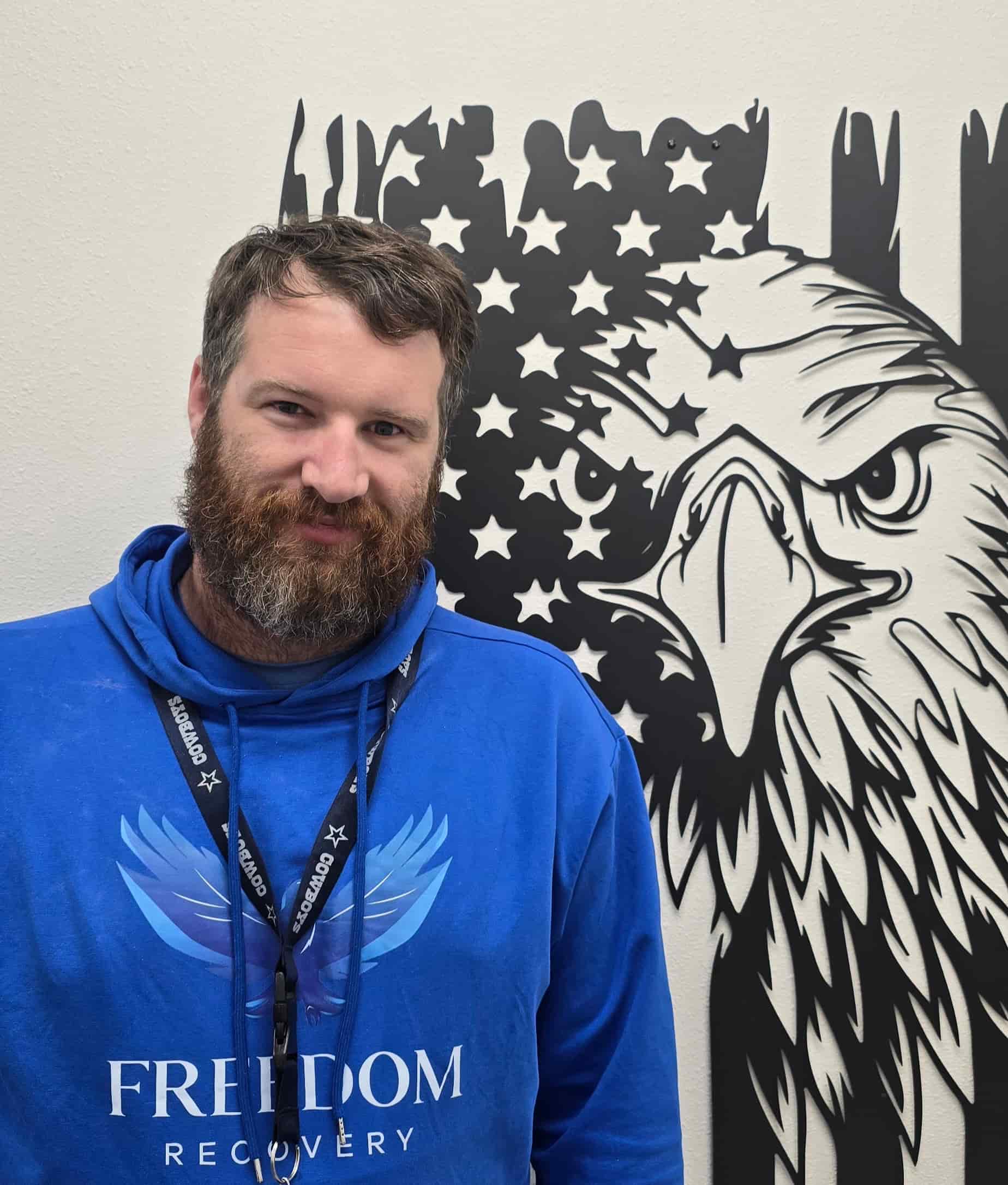
Timothy Palmer is the Clinical Director at Freedom Recovery with experience in general outpatient, correctional, and substance use disorder (SUD) treatment settings. He is trained in Dialectical Behavior Therapy (DBT), Neuro-Linguistic Programming (NLP), and has specialized experience working with Obsessive-Compulsive Disorder (OCD). His approach focuses on helping individuals build effective coping skills, improve emotional regulation, and create lasting change in recovery.

Henna is a seasoned writer and content strategist specializing in behavioral health, addiction recovery, and wellness. She splits her time between the buzz of Los Angeles and the slower rhythms of Mexico, drawing creative energy from both. When she’s not writing, she’s probably off the grid—biking on the backroads or freediving somewhere where there's water.

Other Blogs

Learn how short-term pain alleviation can escalate to life-threatening complications and know the consequences of opiate addiction and dependence.

Learn about the ways substance abuse can affect your productivity and how to overcome them.

Find rehabilitation centers near me that offer proven therapies and supportive environments. Discover treatment programs tailored to your recovery needs.