




A lot of people think inpatient rehab Idaho is mostly about detox. Get through the physical withdrawal, stabilize, and then figure out the rest on your own.
That misunderstanding leads many people to underestimate what residential treatment actually offers, and to leave sooner than they should, before the real work has had time to take hold.
But detox is only the beginning of recovery. The weeks that follow are often when the deepest healing and most meaningful progress begin.
In this article, you’ll learn what quality drug rehab Idaho actually provides beyond detox, why residential care goes deeper than physical stabilization, and how continued therapeutic support helps build lasting recovery.
What Happens After Detox in a Residential Inpatient Program Idaho?
Medical detox clears the substance from your body and manages the physical symptoms of withdrawal safely. That process typically takes between three and ten days, depending on the substance and severity of use.
But detox doesn’t address why you started using. It doesn’t build the coping skills you’ll need when cravings return. It doesn’t process the trauma, relationships, or patterns that kept addiction in place.
That’s what a residential inpatient program Idaho is for. In a quality inpatient rehab, the days and weeks following detox are structured around therapeutic and clinical work designed to address recovery at its roots.
What 24/7 Residential Care Actually Includes
Detox gets you stable. Residential treatment helps you understand what destabilized you in the first place.
At Freedom Recovery, 24/7 residential care Idaho means more than round-the-clock supervision. It offers a safe environment where every part of your day is intentionally designed to support recovery:
- Individual therapy: One-on-one sessions with a licensed clinician give you dedicated space to explore the personal, emotional, and psychological factors connected to addiction while developing healthier ways to cope and heal.
- Group therapy: Peer sessions create a supportive environment where you can build connection, reduce feelings of isolation, and gain insight from others who are navigating similar recovery experiences.
- Trauma-informed care: This clinical approach recognizes that past trauma and difficult life experiences often shape current behaviors, allowing treatment to address both addiction and the underlying emotional pain driving it.
- Medication management: When clinically appropriate, medications may be used to support withdrawal recovery, reduce cravings, stabilize mental health symptoms, and help manage co-occurring conditions as part of a comprehensive treatment plan.
- Life skills programming: Recovery-focused life skills work helps you strengthen communication, manage stress, build healthy routines, and develop the practical habits needed to support long-term sobriety and stability.
- Family involvement: In addiction treatment Idaho, professional family support creates opportunities to rebuild trust, improve communication, and begin repairing relationships that may have been affected by addiction.
- Aftercare planning: From the start of drug or alcohol rehab Idaho treatment, your clinical team works with you to create a clear discharge and recovery plan so you leave with continued support, structure, and next steps already in place.
Why Residential Treatment Goes Deeper Than Outpatient
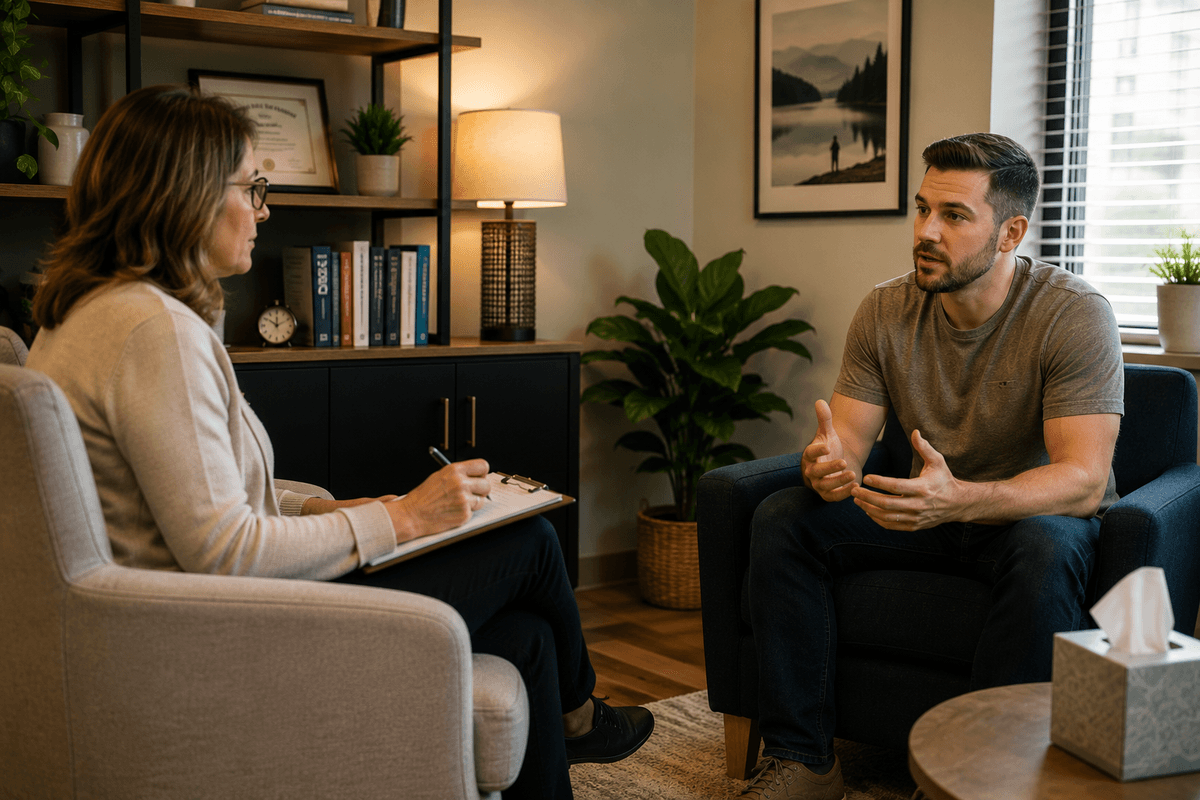
Outpatient care is effective for many people. But for those with moderate to severe addiction, a history of relapse, or significant trauma, the immersive environment of an iinpatient rehab Idaho can make a meaningful difference.
In a residential treatment Pocatello setting, you’re not commuting between your old life and treatment. You’re fully inside a structured, substance-free environment where the work of recovery can happen without constant interference from triggers, relationships, or stress.
That immersion matters. According to the National Institute on Drug Abuse (NIDA), participation in addiction treatment for less than 90 days is often of limited effectiveness, while longer engagement is associated with stronger long-term outcomes and improved recovery stability. Treatment is all about giving your brain, body, and emotional health enough time to stabilize and heal.
Thirty to ninety days in residential care gives you time to absorb new coping skills, process the underlying factors connected to substance use, and build a foundation for recovery before returning to everyday responsibilities. For many people, the next step after residential care is continuing support through an intensive outpatient program near me Idaho, creating a smoother transition between structured treatment and independent living.
The Connection Between Inpatient Rehab Idaho and What Comes Next
One of the most important functions of quality inpatient rehab Idaho is preparing you for the transition out of residential care.
Leaving a structured environment without a clear plan is one of the leading contributors to early relapse. That’s why Freedom Recovery builds discharge planning into treatment from the beginning, not just the final week.
For most people, the step after residential treatment is an IOP, which provides continued clinical support as you return to daily life. Others transition into sober living alongside outpatient care, maintaining structure while rebuilding independence.
Is Inpatient Rehab Right for You?
Keep in mind: The goal of residential treatment isn’t to keep you away from your life. It’s to prepare you to go back to it differently. It’s typically the right fit when:
- You’ve tried outpatient care and relapsed
- Your home environment isn’t safe or supportive enough for early recovery
- Your use is daily, heavy, or involves substances with serious withdrawal risks
- You have co-occurring mental health conditions that need simultaneous treatment
- You need to step back completely from your current life in order to move forward
If you’re unsure, the best first step is a clinical assessment. Freedom Recovery’s admissions team can walk you through what level of care fits your situation, without pressure.
Take the First Step Toward Real Recovery
Recovery involves more than safely getting through withdrawal. Lasting change comes from addressing the emotional, behavioral, and psychological factors behind addiction while building the skills and support needed for life beyond treatment.
If you’re considering inpatient rehab Idaho for yourself or someone you care about, Freedom Recovery's residential program in Pocatello offers the depth of care that makes meaningful, long-term recovery possible.
Explore our full residential inpatient program and see what recovery looks like when it goes beyond detox. Get in touch with our team today!
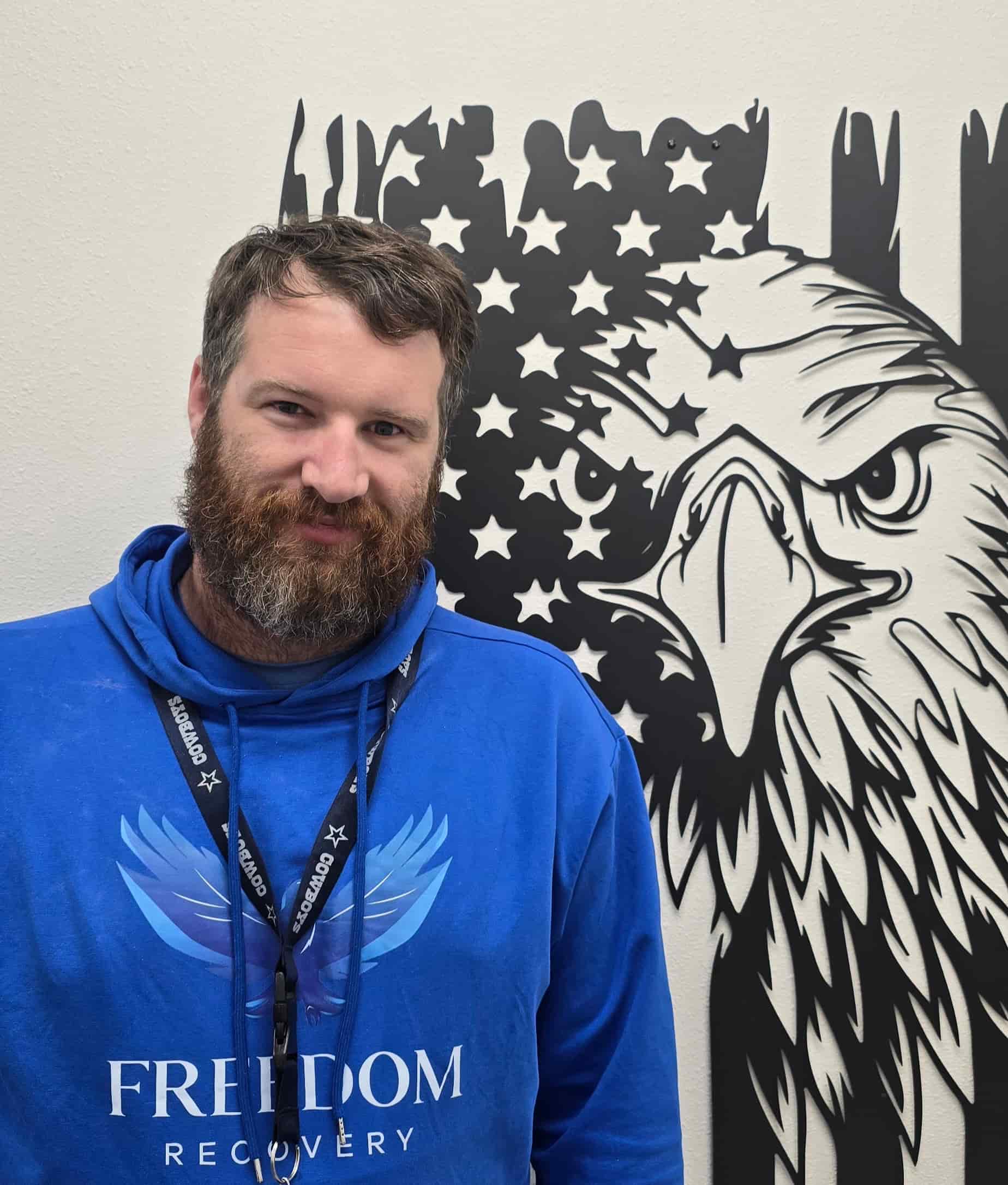
Timothy Palmer is the Clinical Director at Freedom Recovery with experience in general outpatient, correctional, and substance use disorder (SUD) treatment settings. He is trained in Dialectical Behavior Therapy (DBT), Neuro-Linguistic Programming (NLP), and has specialized experience working with Obsessive-Compulsive Disorder (OCD). His approach focuses on helping individuals build effective coping skills, improve emotional regulation, and create lasting change in recovery.

Andrea brings years of experience to the table. By day, she is conquering the world of search engines, and by night, she’s a dog lover, with an interest in tarot readings and all things witchy on a mission to explore the cultural gems of Mexico City.

Other Blogs

Learn how Medicaid drug rehab centers make quality addiction treatment accessible. Discover what services are covered and how to find the right program.

Discover effective coping strategies for managing PTSD and addiction, how to address both challenges, and how to find healing and recovery.

Supporting someone after rehab in Idaho requires patience and boundaries. Get practical guidance on what helps and what harms in early recovery. Read on.