

One question we hear from people reaching out to Freedom Recovery is some version of this: "Do I actually need to go inpatient, or can I do this while staying home?" It's a fair question, and the answer matters more than most people realize. Choosing the wrong level of care, in either direction, can set someone back before they've had a real chance to move forward.
So let us break down what is the difference between inpatient and outpatient rehab, not in clinical terms you'll need to Google, but in plain language that helps you make a real decision for yourself or someone you love.
The short version: inpatient rehab means you live at the treatment facility during your program. Outpatient rehab means you attend treatment sessions during the day and return home (or to a sober living house) each night. Both can work. The right one depends on your specific situation, your history with substances, your support system at home, and how much structure you need to stay safe.
Inpatient treatment, also called residential treatment, means you live at the facility for the duration of your program. At Freedom Recovery, our residential inpatient program runs 60 days, with staff on-site 24 hours a day, seven days a week.
During those 60 days, every part of your environment supports your recovery. You're removed from the people, places, and patterns that were fueling your substance use. You're eating meals, sleeping, attending therapy groups, working with a case manager, and building relationships with peers who are going through the same process. The structure is intentional because, at this stage of recovery, structure is medicine.
Inpatient care typically follows medical detox. SAMHSA's treatment guidelines are clear that withdrawal from alcohol, benzodiazepines, and opioids can carry serious medical risks, and supervised detox is often the safest way to get through those first critical days. Once medically stable, many people transition directly into residential treatment.
Inpatient is usually the right choice when one or more of these is true for you:
The research supports this. A study published through the National Institutes of Health found that residential treatment produces stronger outcomes for people with higher severity addiction and limited social support compared to outpatient-only approaches.
Outpatient treatment covers a range of intensity levels, and this is where people often get confused. "Outpatient" doesn't mean one thing. It's a spectrum.
At Freedom Recovery, our outpatient pathway includes three distinct levels. The Partial Hospitalization Program (PHP) is the most intensive, offering structured programming for most of the day while clients return home in the evenings. The Intensive Outpatient Program (IOP) runs three to five sessions per week over six to twelve weeks. Standard outpatient continues the work over four to six months, with reduced session frequency as you build stability.
Outpatient works because recovery doesn't stop when structured programming ends. You're learning to live your life differently, in real time, while still having clinical support. You go to group therapy, individual sessions, and family therapy, then you go home and practice what you're learning.
Outpatient is often the right fit when:
Outpatient is not a lesser version of treatment. For many people, it's exactly what they need. The key word is "fit."
.png)
Here's something I want you to understand: inpatient and outpatient aren't competing options. For most people, the path through recovery moves through multiple levels of care, from more intensive to less intensive, as your stability grows.
At Freedom Recovery, that continuum looks like this: Medical Detox, then Residential Inpatient, then PHP, then IOP, then standard Outpatient, then Sober Living. Each level builds on the last. You're not starting over at every stage. You're carrying forward everything you've learned and tested.
NIDA's Principles of Drug Addiction Treatment emphasize that matching treatment intensity to individual need, and adjusting it over time, is one of the strongest predictors of long-term recovery. That's not a one-size-fits-all formula. That's the point.
Our case management services help coordinate that transition between levels, including insurance, transportation, housing, and employment concerns that don't pause just because you're in treatment.
One of the biggest reasons people talk themselves out of inpatient care is cost. I understand that. But I want to give you an honest picture.
Freedom Recovery accepts Idaho Medicaid and is in-network with most major insurance providers. If you're worried about whether your coverage applies, our admissions team will verify your benefits before you ever have to make a decision. You can start that process at our insurance verification page or call us at (208) 626-6399.
Outpatient care generally costs less per day than inpatient, and most major insurance plans cover both. If you have Medicaid, our Medicaid coverage page walks through what's included. The goal is to make sure cost is not the thing standing between you and the level of care you actually need.
.png)
If you're reading this at 11pm trying to figure out what to do next, I want to make this as simple as possible. You don't have to diagnose your own severity level or know the clinical criteria for residential admission. That's what our team is here for.
What I'd ask you to be honest about is this: Is your home environment safe enough to support early recovery? Have previous attempts at lower-intensity care not worked? Are you physically safe right now, or do you need medical supervision to stop using safely?
Your answers to those questions will tell you a lot. And if you're still not sure, call us. A conversation with our admissions team is free, confidential, and doesn't lock you into anything. You can explore the full range of what we offer at freedomrecoveryid.com.
Freedom Recovery has two locations in Pocatello, our inpatient center at 1800 Garrett Way, Building 47, and our outpatient center at 1001 North 7th Avenue, Suite 240. We serve people across eastern Idaho and beyond, and we've built our programs to meet people where they are, not where it's convenient for us. If you want to hear what that experience has been like for others, read our client reviews on Google and see why we've earned over 100 five-star reviews.
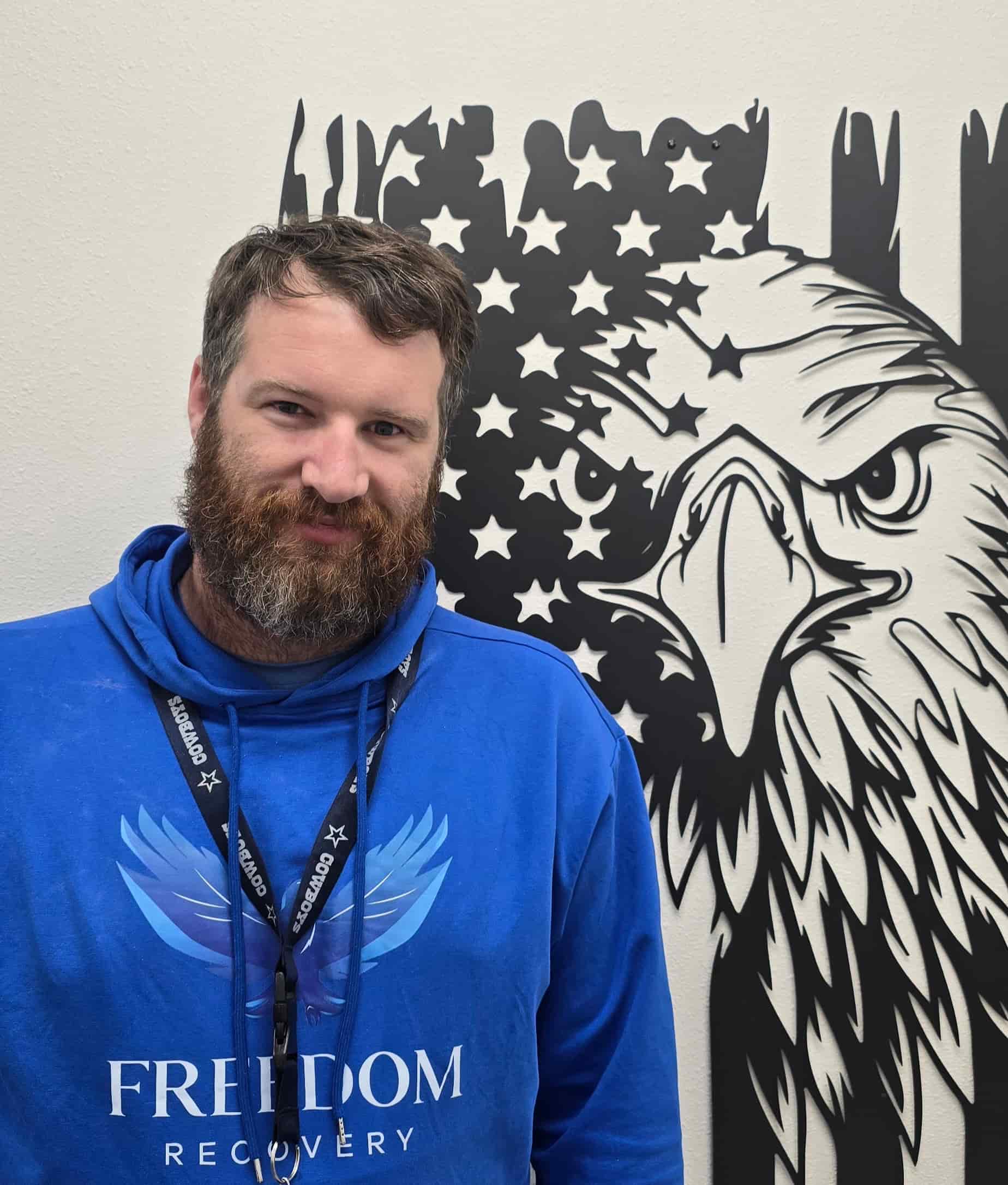
Timothy Palmer is the Clinical Director at Freedom Recovery with experience in general outpatient, correctional, and substance use disorder (SUD) treatment settings. He is trained in Dialectical Behavior Therapy (DBT), Neuro-Linguistic Programming (NLP), and has specialized experience working with Obsessive-Compulsive Disorder (OCD). His approach focuses on helping individuals build effective coping skills, improve emotional regulation, and create lasting change in recovery.

Andrea brings years of experience to the table. By day, she is conquering the world of search engines, and by night, she’s a dog lover, with an interest in tarot readings and all things witchy on a mission to explore the cultural gems of Mexico City.


Learn the early signs of alcoholic dementia and how excessive alcohol intake can impact the brain in the long run.
.jpg)
Learn how addiction treatment Idaho can help you quit weed and build healthier habits. Explore tips on how to maximize inpatient programs for recovery.

Reclaim your life with Idaho sober living programs that provide support, community, and a structured path to recovery. Start your healing journey today!


