


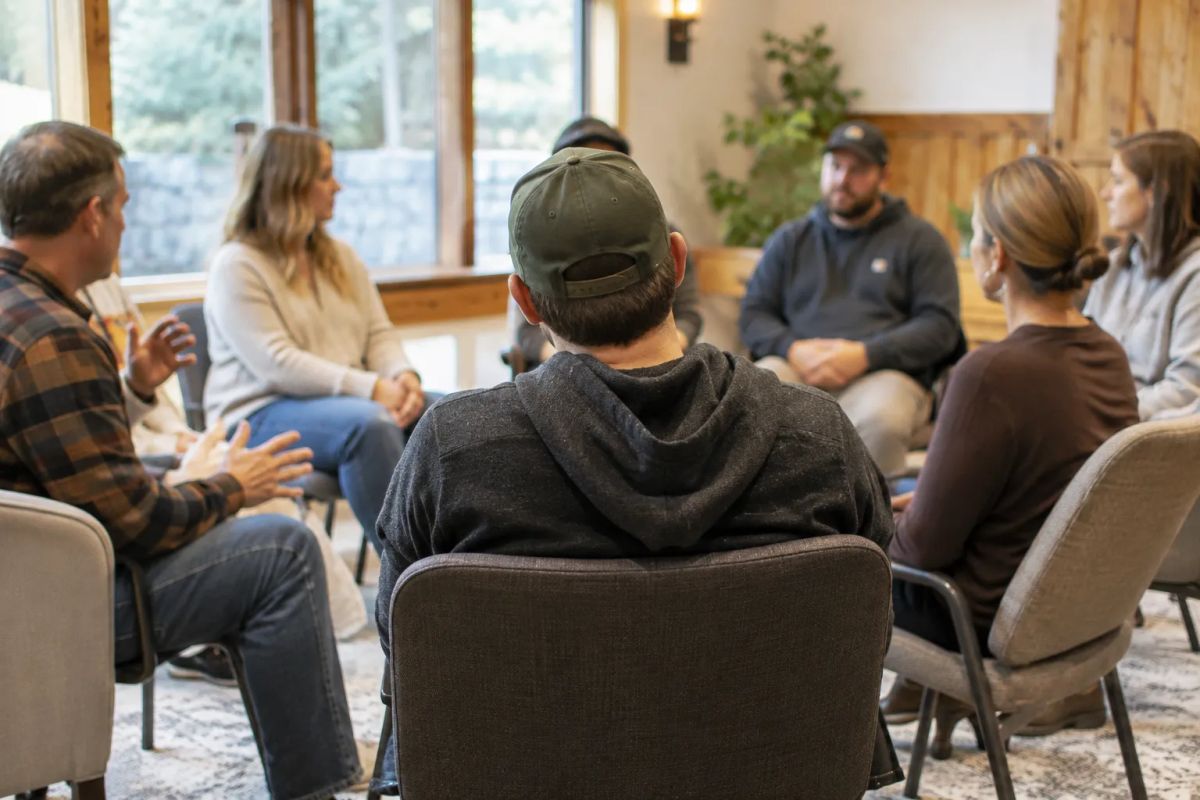

Maybe someone in a meeting told you that taking Suboxone isn't "real" sobriety. Maybe a parent wants you off everything, right now, no exceptions. Or maybe you've tried quitting on your own before and you're wondering if this time should look different.
Weighing medication-assisted treatment vs. abstinence only can feel like being asked to pick a side. I don't think you have to. Here's where I stand, and why.
Our Stance: It Shouldn't Be Either/Or
At Freedom Recovery, the 12 Steps are part of our foundation. We also offer medication management, including medication-assisted treatment (MAT). I don't see those two things as being in conflict, and neither does our team.
MAT pairs FDA-approved medication with counseling and support. The goal is still freedom from the substance that has been running your life. Medication can be one of the tools that helps you get there and stay there.
So when someone asks me which side to pick, I tell them the real question isn't "medication or recovery?" It's "what does my body and my history need to give me the best chance at lasting change?"
What Each Approach Means
Abstinence-only treatment means recovering without medication for the substance use disorder itself (the medical term for addiction to alcohol or drugs). Recovery is built on therapy, peer support, structure, and programs like the 12 Steps. You may still take medication for other health needs, like blood pressure or depression.
Medication-assisted treatment adds a medication that targets cravings, withdrawal, or the effects of a substance. It doesn't replace therapy, groups, or accountability. It works alongside them.
Is Medication-Assisted Treatment Effective?
My honest answer: it depends on the substance.
For opioids, the evidence is strong
The FDA has approved three medications for opioid use disorder: buprenorphine (the main ingredient in Suboxone), methadone, and naltrexone. According to the National Institute on Drug Abuse (NIDA), these medications reduce the risk of overdose death, and methadone and buprenorphine both help people stay in treatment.
Even so, NIDA reports that fewer than 1 in 5 people with opioid use disorder receive these medications. Stigma is a big part of why.
For alcohol, medication is a helpful option
SAMHSA lists acamprosate, disulfiram, and naltrexone as the most common medications for alcohol use disorder. They aren't a fix on their own, and they're most effective for people who take part in a treatment program. For many people, these medications support an abstinence goal rather than replacing it.
For stimulants, there's no approved medication yet
NIDA notes that there is currently no FDA-approved medication for methamphetamine or any other stimulant use disorder. For meth or cocaine, the core work happens through therapy, structure, and community. Medication may still help with other conditions you may be living with at the same time, like anxiety or depression.

MAT vs. Going Cold Turkey: Why the Risk Matters
Stopping opioids suddenly, without medical support, is more than uncomfortable. Withdrawal can be intense enough to pull people back to use within days.
There's a bigger danger too. After a stretch without opioids, the body loses its tolerance. NIDA explains that overdoses are more common when someone returns to use after a period of abstinence, because an amount the body once handled can now be deadly.
That's why I believe anyone with opioid use disorder deserves an honest conversation about medication, even if they ultimately choose not to take it. And if you choose the abstinence route, medically supervised detox is a far safer start than quitting alone.
When Abstinence Only May Be the Right Fit
Abstinence-based recovery has helped many people build full, meaningful lives. It may be the primary path if:
- Your main substance is a stimulant, where no medication is approved.
- You have a strong support system and a history of stable recovery without medication.
- You and your clinical team decide that medication isn't needed or isn't a safe fit for you.
Choosing abstinence is valid. So is choosing medication. What matters to me is that the decision is informed, not driven by shame or by someone else's opinion.
What About Pressure From Family or Meetings?
Opinions about MAT vary from group to group and person to person. Some people hear that it doesn't "count." Others find meetings where no one asks.
Your medical decisions belong to you and your treatment team. Many people work the Steps while taking medication exactly as prescribed, and our team supports both. If your family is worried, invite them into the conversation. In my experience, fear usually softens once people understand how the medication works and why it was chosen.
To me, recovery is measured by the life you're rebuilding: showing up for work, repairing relationships, keeping promises to yourself. If medication helps you do those things, it's part of your recovery, not a detour from it.
How Do I Know If I Need MAT?
If you're asking me, that question deserves an honest assessment, not a decision made alone at 2 a.m. A clinical team looks at your substance use, past attempts to stop, overdose history, and mental health. For a deeper walk-through of those factors, read our post Is MAT Right for Me?
At Freedom Recovery, medication management is available in our residential, partial hospitalization (PHP), and intensive outpatient (IOP) programs. It starts with a review of your health history, current symptoms, and goals, followed by regular monitoring and adjustments. It's paired with individual and group therapy, recovery coaching, and the 12-Step community at the heart of our program.
Let's Figure It Out Together
You don't have to settle this debate before you reach out. Call us at (208) 261-4515, any time, day or night, and talk it through with our admissions team. We accept Idaho Medicaid and are in-network with most major insurance providers, so you can also verify insurance for free.
Healing starts with a conversation, and we're here when you're ready.
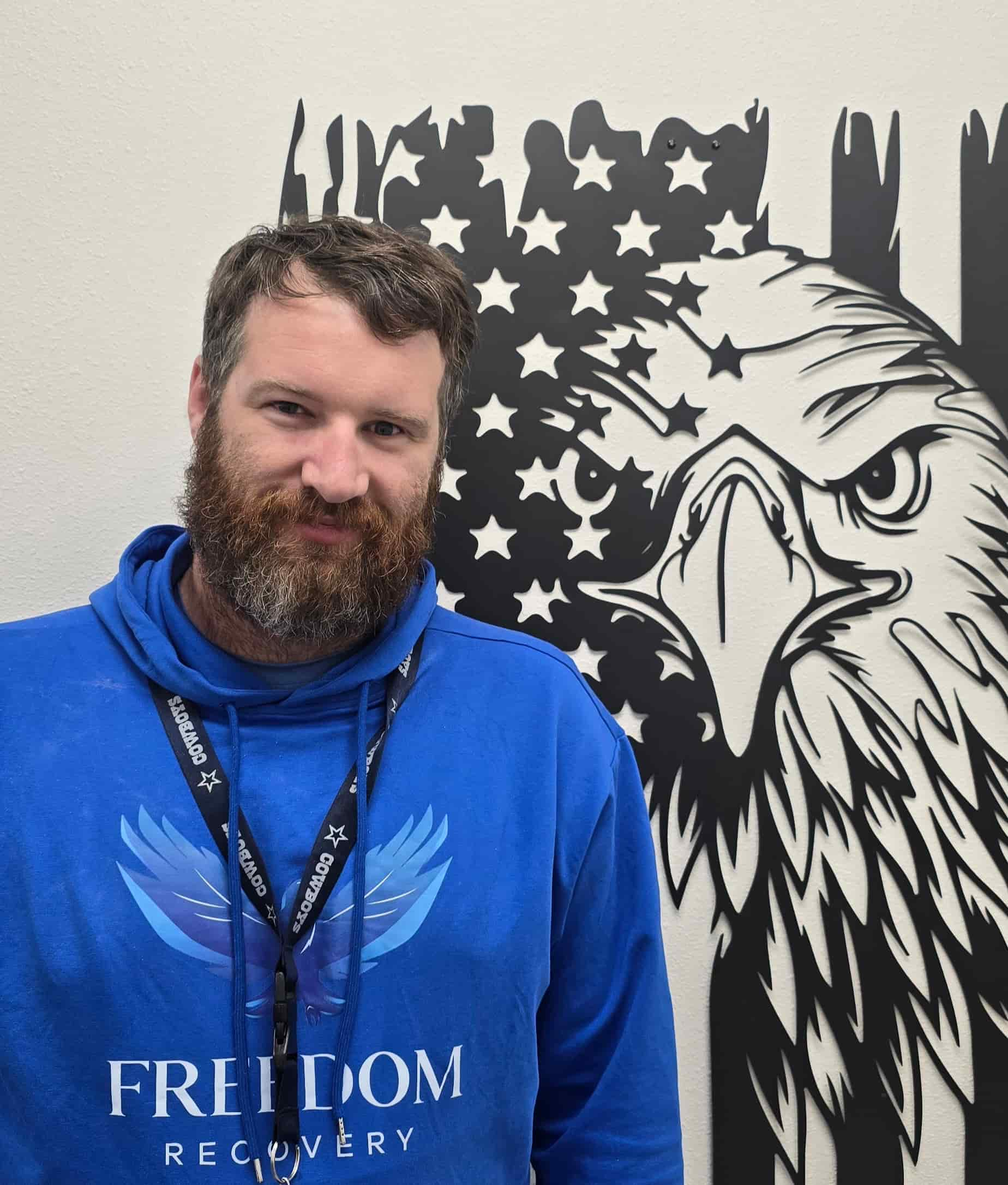
Timothy Palmer is the Clinical Director at Freedom Recovery with experience in general outpatient, correctional, and substance use disorder (SUD) treatment settings. He is trained in Dialectical Behavior Therapy (DBT), Neuro-Linguistic Programming (NLP), and has specialized experience working with Obsessive-Compulsive Disorder (OCD). His approach focuses on helping individuals build effective coping skills, improve emotional regulation, and create lasting change in recovery.

Andrea brings years of experience to the table. By day, she is conquering the world of search engines, and by night, she’s a dog lover, with an interest in tarot readings and all things witchy on a mission to explore the cultural gems of Mexico City.

Other Blogs

Learn more about Vyvanse, its uses, the potential for addiction, and treatment options.

Discover how sober living vs inpatient rehab Idaho differ in structure and timing, and which level of care should come first in your recovery plan.

Discover effective coping strategies for managing PTSD and addiction, how to address both challenges, and how to find healing and recovery.