




If you’ve been struggling with addiction, walking into treatment is one of the bravest things you can do. But what happens inside rehab isn’t always the smooth, cinematic transformation people imagine. It’s true that facilities like inpatient rehab Idaho can provide safety, structure, and professional support. However, it’s best to manage expectations and acknowledge that you’ll likely encounter challenges that aren’t immediately obvious.
These hurdles are but common and completely normal. And the good news is that they’re manageable once you understand them and have the right tools. In this article, we’ll explore these unseen challenges, along with strategies to navigate and overcome each.
The Emotional Crash After Arrival
It’s common to expect relief the moment you enter drug or alcohol rehab Idaho, but many people are surprised when they instead feel overwhelmed, anxious, or unsure if they made the right decision.
Yes, even though the environment is safe and supportive, being away from home, facing new routines, and confronting difficult emotions can trigger an emotional crash.
This crash happens because your mind and body are suddenly adjusting to a new structure while processing the reality of your situation. You’re leaving familiar environments, routines, and coping mechanisms behind, which can feel unsettling at first.
Below are some strategies to help manage this period:
- Grounding techniques: Focus on your senses or surroundings to stay present and reduce anxiety.
- Journaling: Write down your thoughts and feelings to process what’s happening internally.
- Early communication with counselors: Reach out as soon as you feel overwhelmed to get guidance and reassurance.
- Keep perspective: Remind yourself that the anxiety usually fades after the first few days as you adjust to the program.
Facing Withdrawal and Mental Fog
Physical withdrawal can be intimidating, and it often affects your motivation when you first arrive at a rehab. On top of that, mental fog, trouble focusing, and mood swings are common as your body and brain adjust to sobriety.
Inpatient rehab Idaho programs are designed to help you through this challenging phase:
- Medical detox and monitoring: Staff provide supervision to manage withdrawal symptoms safely.
- Medication-assisted support when needed: Medications can reduce discomfort and cravings.
- Structured check-ins: Regular therapy sessions and assessments help track your progress and adjust care as needed.
You can also take steps on your own to make withdrawal and mental issues more manageable.
Staying hydrated is simple but essential, as drinking enough water helps your body recover and supports overall well-being. Following the recommendations of nurses and doctors ensures your safety and helps your treatment progress more smoothly.
Additionally, try to focus on recovery “hour by hour” rather than thinking about the entire program at once. Breaking the day into smaller, manageable segments can make the process feel less overwhelming and more achievable.

The Challenge of Structure After Chaos
If you’re coming from an unpredictable or chaotic lifestyle, the structured schedule in alcohol or drug rehab Idaho can feel rigid at first. That structure, though, is one of the most important tools for long-term recovery.
Following a consistent routine helps your brain re-regulate after substance use, builds accountability and stability, and reduces idle time that can trigger cravings. Over time, this structure becomes a foundation for healthier habits and better coping skills once you return to everyday life.
Here are some tips to help you adjust to the schedule:
- Treat the schedule like training: Approach daily routines as practice for building consistency and discipline.
- Celebrate small productivity wins: Even minor achievements, like completing a therapy session or following the daily plan, matter.
- Give yourself permission to struggle at first: Adjustment takes time, and it’s normal to feel frustrated before the routine starts to feel natural.
Homesickness & Isolation
Being away from home, family, pets, or your familiar routines can hit harder than you expect in inpatient rehab Idaho. It’s common to feel disconnected, lonely, or even regret your decision during the first few days. Recognizing that these feelings are normal is the first step toward managing them.
There are several ways to cope with homesickness and isolation.
Family therapy sessions or scheduled calls can help you stay connected and supported while maintaining focus on your recovery. Building bonds with peers in your program also creates a sense of community and shared understanding, which can ease feelings of isolation.
Remind yourself that this short-term discomfort is part of a process that leads to long-term freedom and healthier coping skills. Also, don’t hesitate to lean on staff when emotions feel heavy. At the end of the day, counselors and nurses are there to guide you through these challenging moments and provide reassurance.
Confronting the Things You’ve Been Avoiding
In rehab, you can’t hide from the emotions or experiences that contributed to your addiction. Therapy often brings up difficult topics, including trauma, guilt or shame, broken relationships, and even a sense of lost identity. Facing these issues can feel uncomfortable, but it’s a critical part of building a foundation for lasting recovery.
Clinicians use a variety of approaches to guide you through this process:
- Trauma-informed therapy: Helps you process past trauma safely and understand its impact on substance use.
- CBT and DBT: Evidence-based techniques provide tools to manage thoughts, emotions, and behaviors.
- Group sessions: Sharing experiences with peers helps normalize what you’re feeling and reduces isolation.
To make the most of this work, be honest in your sessions. Keep in mind that hiding or minimizing your feelings only slows progress. Allow discomfort to be a sign of growth rather than a failure, and focus on the progress you’re making rather than expecting perfection.
Over time, confronting what you’ve been avoiding helps rebuild self-awareness, resilience, and healthier ways of coping.
Reintegration Anxiety: “What Happens When I Leave?”
Many clients in inpatient rehab Idaho worry about what life will look like once they leave treatment. Concerns about relapse, bills, workplace stress, or reconnecting with family are common, and it’s important to know that nearly everyone experiences this fear at some point. Acknowledging it doesn’t mean you’re not ready; it just means you’re human.
While you’re still in residential treatment, there are steps you can take to prepare for a smoother transition.
Developing a relapse prevention plan gives you concrete strategies to handle cravings and high-risk situations. Meanwhile, participating in life skills training helps you manage practical challenges like budgeting, cooking, or returning to work.
Moreover, identifying your personal triggers and coping strategies in advance allows you to respond proactively instead of reactively. Finally, working with counselors to build a post-treatment roadmap ensures you leave with a clear plan for continued support, recovery, and reintegration into everyday life.
Transitioning Into IOP In Idaho (Without Losing Momentum)
After completing inpatient rehab Idaho, many people transition into an Intensive Outpatient Program or IOP in Idaho.
This step-down approach helps you maintain the structure and support you relied on during inpatient treatment while gradually rebuilding independence and integrating recovery into your daily life. It keeps you accountable, provides continued therapy, and eases the shift back into everyday routines without losing momentum.
To succeed during this transition, here are some tips to remember:
- Don’t rush out of support: Give yourself time to adjust and stay in IOP long enough to solidify new habits. Transitioning too quickly can increase stress and risk of relapse.
- Keep therapy consistent: Continue attending all scheduled sessions to maintain progress and prevent setbacks. Regular engagement helps reinforce coping skills and emotional resilience.
- Stay connected with sober community ties: Lean on peers, support groups, and sponsors to reinforce your recovery network. Maintaining these connections provides encouragement and accountability as you navigate everyday life.

Overcoming Common Challenges in Inpatient Rehab
Indeed, inpatient rehab Idaho can be a transformative experience. But the challenges you face inside are real and completely normal. Emotional crashes, withdrawal symptoms, homesickness, and adjusting to structure are all part of the process. And they can be overcome with support, structure, and courage.
Remember: Facing discomfort and difficult emotions is a sign of progress, not failure. If you want to experience inpatient treatment that feels compassionate and is effective, Freedom Recovery is the place to be. Contact our team now!
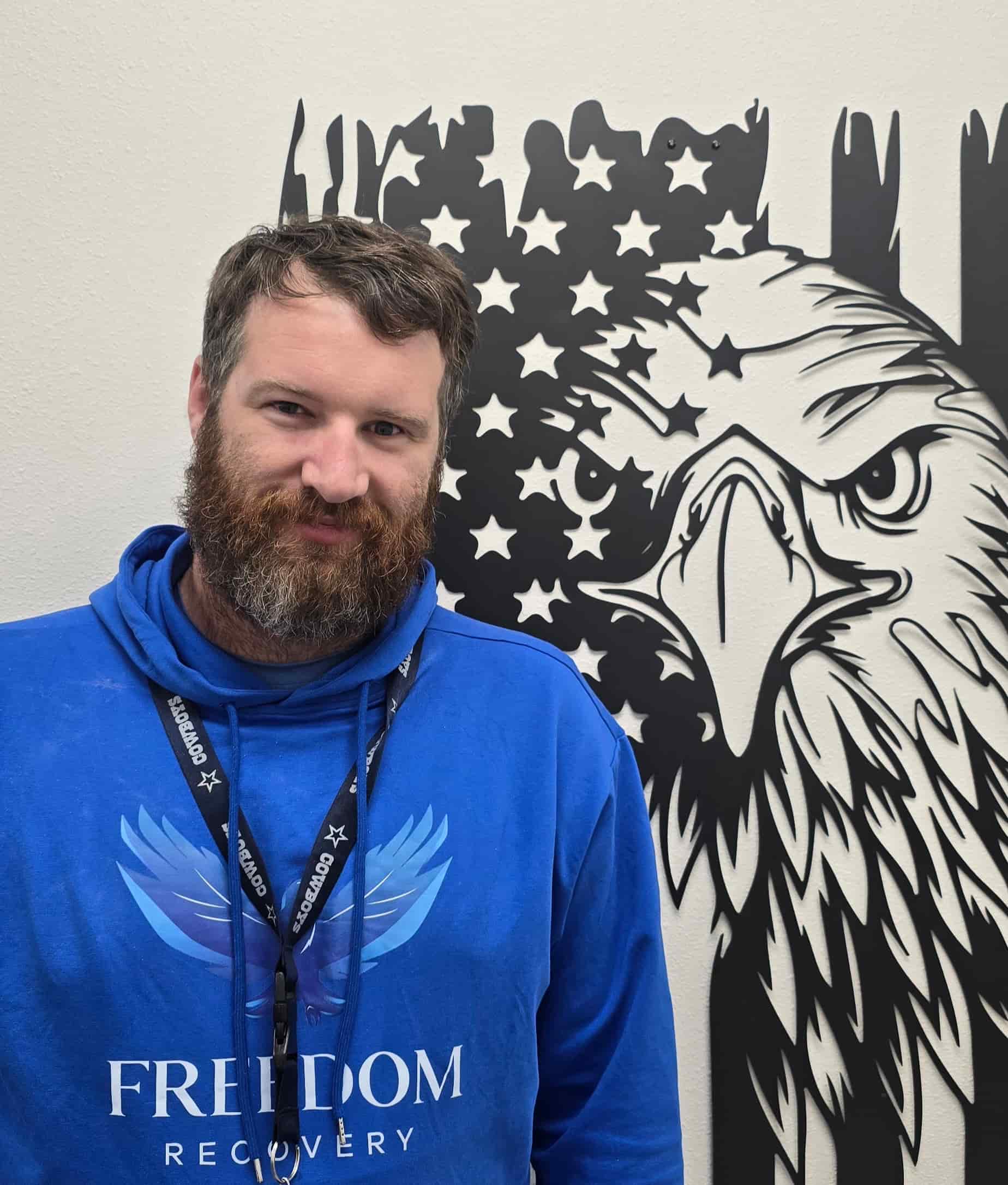
Timothy Palmer is the Clinical Director at Freedom Recovery with experience in general outpatient, correctional, and substance use disorder (SUD) treatment settings. He is trained in Dialectical Behavior Therapy (DBT), Neuro-Linguistic Programming (NLP), and has specialized experience working with Obsessive-Compulsive Disorder (OCD). His approach focuses on helping individuals build effective coping skills, improve emotional regulation, and create lasting change in recovery.

Emmy is a content specialist dedicated to helping brands boost their online presence and reputation. With expertise across diverse niches—including behavioral health—she crafts messages that resonate with target audiences and drive engagement.

Other Blogs

Afraid to tell your boss that you need rehab? Learn more about how to secure both your job and your life here.

Learn how Freedom Recovery helps prevent relapse through therapy, coping skills, medication management, sober living, and ongoing support in Pocatello, Idaho.

Learn how a 12 step recovery program supports long-term sobriety. Discover why many treatment centers use it as part of a comprehensive recovery plan.