

Accountability is one of the most talked-about parts of sober living Idaho. House rules, drug screenings, curfews, expectations. They’re all there for a reason.
But accountability without compassion isn’t a recovery model. It’s just pressure. And for people who’ve experienced trauma, which is most people in addiction treatment, pressure without safety doesn’t produce change. It produces relapse.
That’s why the best sober living programs are built on more than rules. They’re built on understanding what brought you here in the first place. In this article, we’ll explore how trauma-informed sober living blends accountability with compassion to support lasting recovery.
Trauma-informed care is an important approach in behavioral health. It recognizes how past experiences like abuse, loss, neglect, and instability shape the way people think, feel, and behave today.
It doesn’t mean everyone in recovery has a dramatic backstory. It means that before asking someone to follow the rules, you take a moment to understand why following rules may have never felt safe.
In trauma-informed sober living Pocatello, staff aren’t just rule enforcers. They’re people who ask questions, listen without judgment, and respond with context, not just consequences.
Here’s the truth: Accountability isn’t the problem. It’s essential. Structure, consistency, and clear expectations are what make sober living houses near me Idaho different from just renting a room.
The difference is in how accountability is applied:
When someone breaks a curfew or misses a meeting, the trauma-informed question isn’t just “What did you do?” It’s also “What was going on for you that night?” That second question doesn’t excuse the behavior. It helps address it at the root.
The 12-step recovery housing Idaho model has long been a foundation of structured recovery housing. Concepts like honesty, accountability, making amends, and connecting to something greater than yourself all align naturally with a trauma-informed approach.
At Freedom Recovery, our safe and sober living program weaves 12-step principles into a daily structure that also honors where each resident is coming from. The goal is to understand why each step matters for your specific journey.
That personal relevance is what makes the 12-step model powerful when it’s applied to sober living Idaho with care rather than rigidity.
When you’re searching for CARF-accredited sober living Idaho, you’re looking for something specific: external verification that a program meets nationally recognized standards for quality, safety, and person-centered care.
Freedom Recovery holds CARF accreditation, which means our programs are regularly evaluated not just on outcomes, but on whether care is delivered in ways that respect the dignity and individuality of every person we serve.
That accreditation matters especially in sober living, where standards vary widely, and the quality of care can directly affect whether someone stays sober or not.
At Freedom Recovery’s Pocatello sober living, accountability and compassion aren’t in tension. They’re built into the same model:
Other programs across the country have also been adopting similar models. You can see how trauma-informed recovery housing approaches this balance elsewhere, and what that philosophy looks like when it’s applied consistently.

If you’ve been in recovery environments that felt punitive or cold, it’s worth knowing that a different experience is possible. Sober living Idaho should feel like a place where you’re held to a high standard and treated like a whole person.
At Freedom Recovery, our residential inpatient program and accountable sober living Pocatello continuum work together, so the care you receive in treatment carries into your housing, not just your therapy notes. Reach out today!
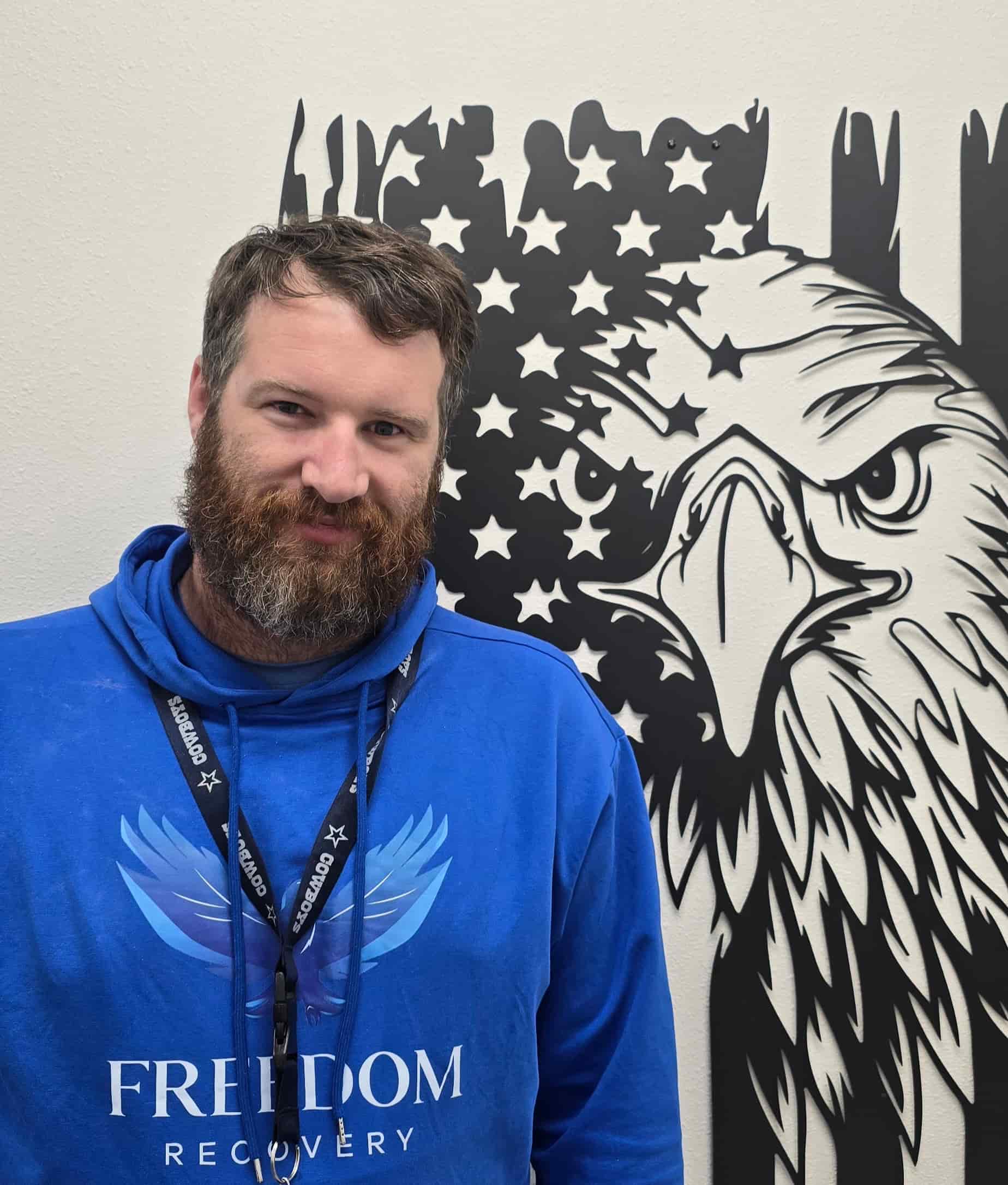
Timothy Palmer is the Clinical Director at Freedom Recovery with experience in general outpatient, correctional, and substance use disorder (SUD) treatment settings. He is trained in Dialectical Behavior Therapy (DBT), Neuro-Linguistic Programming (NLP), and has specialized experience working with Obsessive-Compulsive Disorder (OCD). His approach focuses on helping individuals build effective coping skills, improve emotional regulation, and create lasting change in recovery.

Andrea brings years of experience to the table. By day, she is conquering the world of search engines, and by night, she’s a dog lover, with an interest in tarot readings and all things witchy on a mission to explore the cultural gems of Mexico City.

.png)
Don't settle for unregulated housing. Learn what to look for in sober living houses near me in Idaho, including accountability, structure, and community support.

Find out the potential risks of addiction to prescription medications and how to address this issue.

Learn how to say no to alcohol invitations with confidence. Learn how to navigate social pressure, set boundaries, and stay true to your values.


