.webp)

Recovery does not end when treatment does. Long-term recovery often requires ongoing structure, accountability, and connection with people who understand what it takes to stay sober.
For people in Pocatello and across Southeast Idaho, 12-step programs can provide that continued support through regular meetings, peer mentorship, practical recovery principles, and a community that remains available long after formal treatment ends. This article explains how 12-step programs work, what to expect from meetings, and how they can support lasting recovery alongside professional addiction treatment.
The 12-step model started with Alcoholics Anonymous in the 1930s and has since expanded into dozens of programs, including Narcotics Anonymous (NA) and SMART Recovery alternatives. At its core, a 12-step program is a structured, peer-led framework for recovery. It combines personal accountability, community support, spiritual reflection (which is optional or interpreted individually by many members), and regular meeting attendance.
The steps themselves are a progression. Early steps focus on honesty, acknowledging that substance use has become unmanageable. Later steps move into making amends, supporting others in recovery, and sustaining personal growth. No two people work the steps at the same pace, and that's by design.
What makes 12-step programs distinct from clinical treatment isn't that one replaces the other. It's that they work in different lanes. Clinical treatment addresses the medical, psychological, and behavioral roots of addiction. A 12-step group provides ongoing peer community and accountability that treatment programs alone can't maintain indefinitely.
12-step meetings provide something that a clinical setting, by nature, cannot replicate indefinitely: a room full of people who have been exactly where you are and kept moving forward. That kind of witness matters. Hearing someone describe an experience that mirrors yours, then watching them function, connect, and build a life, gives you a different kind of evidence than any brochure or worksheet.
In Pocatello and throughout southeast Idaho, local AA and NA meetings are accessible through regional intergroup directories and resources like the SAMHSA National Helpline and treatment locator, which can connect you to meetings near you at no cost.
.webp)
A 12-step meeting is not the same as treatment. If you or someone you love is in the active grip of substance use, a weekly meeting is not enough on its own. The place to start is with a clinical evaluation and a structured program that matches the severity of what you're dealing with.
At Freedom Recovery, we integrate 12-step meetings as one component of a broader support system. Our residential inpatient program includes regular 12-step meetings alongside individual therapy, group therapy, trauma-informed care, and life skills training. The goal is never to hand someone a single tool and send them out. The goal is to build a full foundation before the real work of daily life begins.
After residential care, the transition period is where many people struggle most. That's why continuing to attend meetings, connecting with a sponsor, and staying plugged into sober community becomes so critical. Our sober living program is specifically designed to bridge that gap, providing structure, accountability, and community during the months after formal treatment ends.
If you're specifically looking for a 12-step program in Pocatello, Idaho, here's what we’d encourage you to think about before walking into your first meeting.
Find a meeting and just go. You don't have to speak. You don't have to commit to anything. Most AA and NA meetings welcome newcomers without pressure, and attending once doesn't mean you're signing on for anything. The only way to know if the community feels right is to be in the room.
Consider whether you need clinical support alongside the meetings. If your use has involved substances that carry withdrawal risks, such as alcohol, opioids, or benzodiazepines, please don't try to manage that alone. Medical detox can be life-saving, and it's the right starting point before anything else. Our admissions team can help you figure out where to begin.
Talk to a counselor or recovery coach if you're not sure what level of support you need. Peer recovery coaches, like the ones on our team at Freedom Recovery, have lived experience in recovery themselves. They can help you understand your options without judgment and without clinical jargon.
Look for meetings that feel safe to you. Not every meeting will be the right fit for every person. There are women's meetings, men's meetings, speaker meetings, and open discussion formats. Try more than one before you decide.
.webp)
Recovery is not a finish line. It's a direction, and the people who stay on course tend to be the ones who build sustainable structures around themselves.
At Freedom Recovery, our team has over 30 years of combined experience in addiction treatment. If you're in Pocatello or anywhere in Idaho and you're trying to find your footing, we'd like to help you figure out the right next step. You can read what our clients say about Freedom Recovery on Google to get a sense of what the experience is actually like from the people who've been through it.
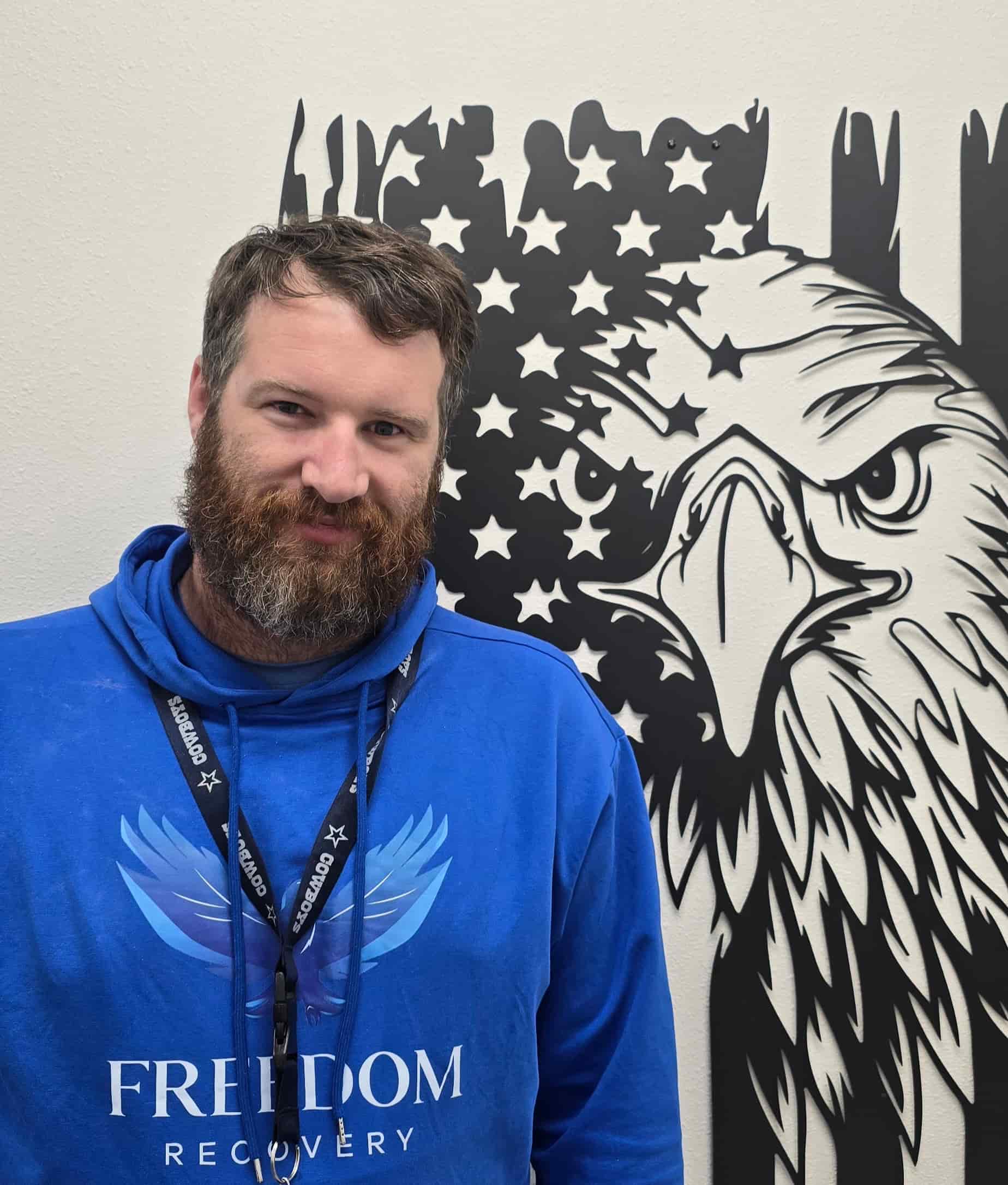
Timothy Palmer is the Clinical Director at Freedom Recovery with experience in general outpatient, correctional, and substance use disorder (SUD) treatment settings. He is trained in Dialectical Behavior Therapy (DBT), Neuro-Linguistic Programming (NLP), and has specialized experience working with Obsessive-Compulsive Disorder (OCD). His approach focuses on helping individuals build effective coping skills, improve emotional regulation, and create lasting change in recovery.

Andrea brings years of experience to the table. By day, she is conquering the world of search engines, and by night, she’s a dog lover, with an interest in tarot readings and all things witchy on a mission to explore the cultural gems of Mexico City.


Discover effective coping strategies for managing PTSD and addiction, how to address both challenges, and how to find healing and recovery.

Learn about the services offered by Idaho rehab facilities, including medical detox and counseling. Find out how to choose the rehab center that suits you.

Find out the answer to this question: Does alcohol cause anemia? Understand how chronic drinking impacts red blood cell production and overall health.


