




You finally said it out loud. You told your son, your sister, or your partner that you're scared and that you think they need help. And they shut the conversation down, maybe with anger, maybe with a laugh, maybe with a promise to cut back that you've heard before.
If you're searching for how to get someone into rehab who refuses, you are probably tired, frightened, and wondering if you've already missed your chance. As a clinician, I want you to hear this clearly: you haven't. A "no" today is not a "no" forever, and the way you respond after that first refusal can make a real difference.
First, Know What You Can and Can't Force
Many families ask me whether there's a legal way to make an adult go to treatment. In Idaho, that path is narrow. The state's civil commitment law is written for mental illness, and it does not allow someone to be committed when the main problem is substance use alone, unless a mental illness is also present.
That can feel discouraging. But here is where I find real hope. The National Institute on Drug Abuse (NIDA) explains that treatment does not need to be voluntary to be effective. Pressure and encouragement from family, employers, or the courts can increase how often people enter treatment and how long they stay.
In other words, your loved one doesn't have to wake up one day fully ready. The way I see it, your job is to keep the door open and make walking through it more likely.
If your loved one is in immediate danger, such as an overdose, a medical emergency, or talk of suicide, call 911. You can also call or text 988 to reach the Suicide & Crisis Lifeline.
Intervention vs. Waiting for Your Loved One to Seek Help
The TV version of an intervention is a surprise gathering, a stack of letters, and an ultimatum. When someone feels ambushed or shamed, what I most often see is defensiveness, and the conversation ends before it starts.
Waiting it out carries its own risks. Hoping things get bad enough that your loved one finally asks for help can mean waiting through an overdose, an arrest, or a lost job. You don't have to choose between an ambush and silence. There's a middle path with research behind it, and it's the one I point families toward.
A Better Approach: CRAFT
Community Reinforcement and Family Training, or CRAFT, teaches families how to respond to substance use in ways that make recovery more appealing than continued use. SAMHSA's guide for families highlights CRAFT as a way to support positive change in a loved one while also protecting your own well-being.
I find the results encouraging. In one randomized trial, about 6 in 10 family members trained in CRAFT helped their loved one enter treatment, compared with 37% in the comparison group. CRAFT can't promise a yes, but it gives you better odds and a plan.
Here's what CRAFT-style steps can look like in everyday life.
1. Talk when they're sober and calm
Raising the subject during or right after use rarely goes well. Pick a quiet moment and use "I" statements. "I've been scared since the night you didn't come home" lands very differently than "You're out of control."
2. Lean into the good moments
Notice and reward sober time. Share a meal, watch the game, go for a drive. When substance-free moments feel warm and connected, they become worth repeating.
3. Stop cushioning the consequences
In my work with families, this is often the hardest step. Covering for missed work, paying off debts, or smoothing things over after a rough night can make continued use easier. Letting natural consequences happen, while keeping everyone safe, is not punishment. It's honesty.
4. Watch for the opening
People are often more open to help after a hard moment: a health scare, a legal problem, a painful argument, a morning of regret. Have a plan ready so you can act right away. Know which program you'd call, what insurance your loved one has, and what the first step looks like.
5. Make the ask small and specific
"Will you go to rehab?" can feel enormous. "Will you talk to an admissions counselor with me for fifteen minutes?" is much easier to say yes to. A phone call is not a commitment, and saying that out loud can lower the stakes.

Use the Influence You Already Have
Outside motivation can help. It might come from an employer who requires treatment to keep a job, or from a judge or probation officer. At Freedom Recovery, our case management team helps clients navigate court dates and legal paperwork, so legal involvement doesn't have to stand in the way of treatment.
Families have influence too. You can decide what you will and won't keep providing, like rent, a car, or a phone, while your loved one refuses help. Set the boundary calmly, explain it once, and follow through. Boundaries work best when they come from love, not anger.
Take Care of Yourself, Too
I know how much this kind of stress wears people down. SAMHSA's family guide notes that it's important to take care of yourself even when your loved one isn't engaging with support. Family groups like Al-Anon and Nar-Anon, a counselor of your own, or a trusted friend can help you stay steady.
Here is something I want every family to hear: you didn't cause your loved one's substance use, and you can't control it. What you can control is how you show up, and that matters more than it may feel like right now.
When They Say Yes, Be Ready
The window can close quickly, so do the legwork now. Freedom Recovery in Pocatello offers every level of care your loved one might need, from medically supervised detox and residential treatment to IOP, outpatient, and sober living. We accept Idaho Medicaid and are in-network with most major insurance providers.
Our admissions process starts with a simple phone call. You can call on your loved one's behalf, ask questions, and learn what the first days of treatment look like. When appropriate, family therapy is part of residential care, because healing works best together.
Recovery doesn't end at discharge. Our guide on how to support a loved one who just left inpatient rehab can help you prepare for what comes next.
Healing Starts With a Conversation
You don't have to figure this out alone. Call us at (208) 261-4515, available 24/7, to talk through your situation with someone who understands. Or verify insurance for free now, so your plan is ready the moment your loved one says yes.
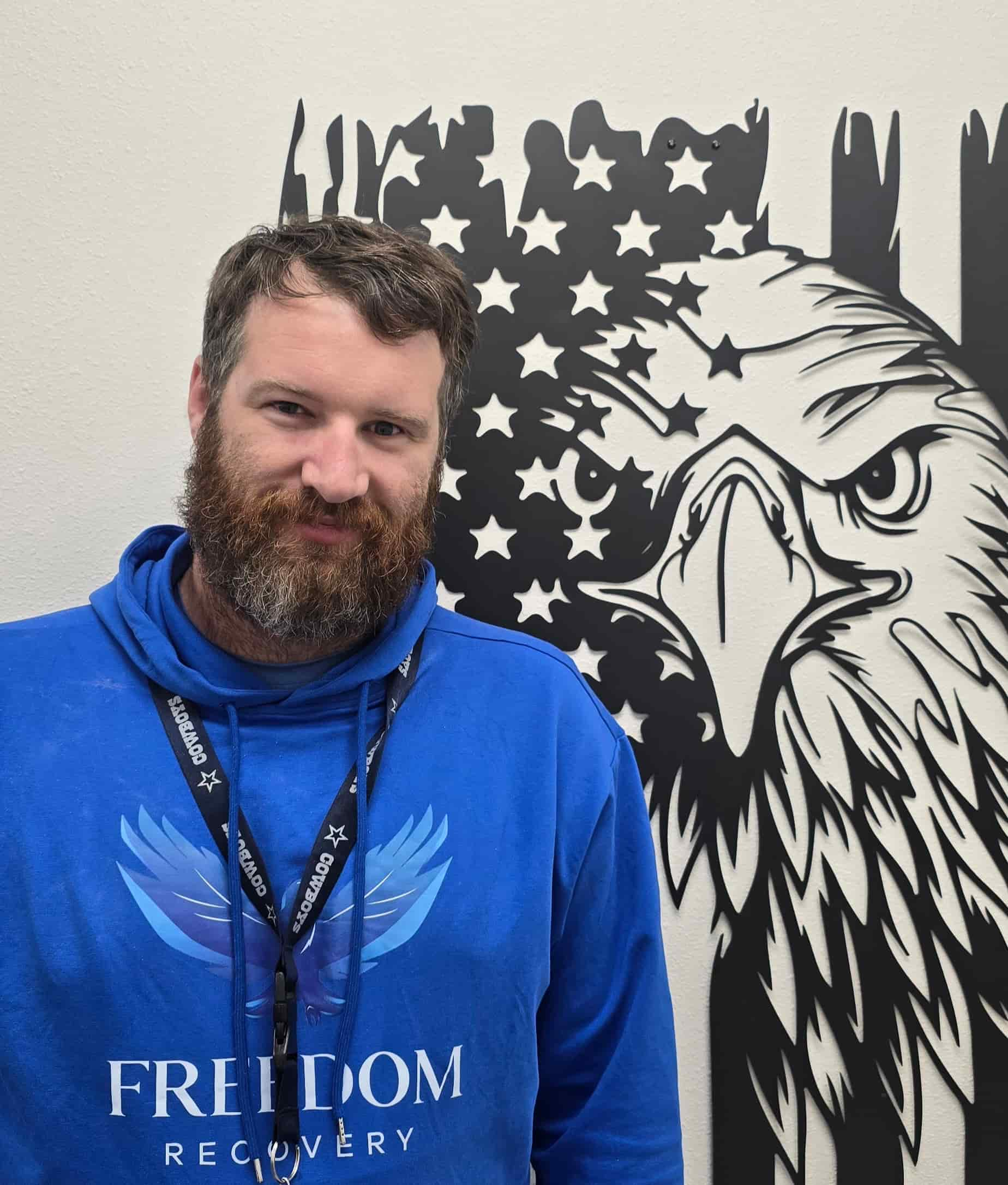
Timothy Palmer is the Clinical Director at Freedom Recovery with experience in general outpatient, correctional, and substance use disorder (SUD) treatment settings. He is trained in Dialectical Behavior Therapy (DBT), Neuro-Linguistic Programming (NLP), and has specialized experience working with Obsessive-Compulsive Disorder (OCD). His approach focuses on helping individuals build effective coping skills, improve emotional regulation, and create lasting change in recovery.

Andrea brings years of experience to the table. By day, she is conquering the world of search engines, and by night, she’s a dog lover, with an interest in tarot readings and all things witchy on a mission to explore the cultural gems of Mexico City.

Other Blogs

Learn more about Vyvanse, its uses, the potential for addiction, and treatment options.

Discover how sober living vs inpatient rehab Idaho differ in structure and timing, and which level of care should come first in your recovery plan.

Discover effective coping strategies for managing PTSD and addiction, how to address both challenges, and how to find healing and recovery.