




"I don't have insurance, so rehab isn't an option for me." It's a thought I hear often, and it stops a lot of people before they ever make the first call.
If you're figuring out how to pay for drug rehab without insurance, the picture is usually more hopeful than it looks from the outside. There are public programs, coverage you may already qualify for, and self-pay paths worth exploring. Here's where I suggest you start.
Step 1: Check Whether You Qualify for Idaho Medicaid
Some people who think they're uninsured actually qualify for Medicaid and don't know it. Idaho's Medicaid expansion covers adults ages 19 through 64 with incomes up to 138% of the federal poverty level who meet residency and citizenship requirements.
Unlike private insurance, there's no enrollment season. HealthCare.gov notes you can apply for Medicaid any time of year. Federal rules are changing in 2027, and Idaho's Medicaid page lists exemptions to the new activity requirements, including for people with a substance use disorder or in treatment. Check the state's site for current details.
Freedom Recovery accepts Idaho Medicaid. Our Medicaid page explains how it works, and our guide on how to find a rehab that accepts Medicaid in Idaho walks through the process step by step.
Step 2: Look at Marketplace Coverage Right Now
If your income is too high for Medicaid, a plan through Your Health Idaho, the state's insurance marketplace, may be an option. Timing matters here. Idaho's open enrollment period runs from October 15 to December 15, so if you're reading this in the fall, the window may still be open.
Outside open enrollment, certain life changes can qualify you for a special enrollment period. Losing job-based coverage or Medicaid are two common examples.
Coverage for addiction treatment is built in. According to HealthCare.gov, all Marketplace plans cover substance use disorder treatment as an essential health benefit, meaning it's one of the core services every plan must include, and they can't deny you for a pre-existing condition. Exact benefits still vary by plan, so review the details before you enroll.
Step 3: Ask About State-Funded Treatment
Idaho uses federal grant funding to help uninsured residents access substance use treatment. The Idaho Department of Health and Welfare's Get Help page directs uninsured Idahoans to call Magellan of Idaho at 1-855-202-0973 to ask about services.
Two federal resources can help you find options anywhere in the country:
- SAMHSA's National Helpline at 1-800-662-4357 is free, confidential, and available 24/7. According to SAMHSA, it can often refer callers to state-funded programs and facilities that charge on a sliding fee scale based on income.
- FindTreatment.gov lets you search for treatment providers near you and filter by payment options, including sliding-fee and payment assistance programs.
State-funded programs may have waitlists or eligibility rules, so I encourage you to call early and ask direct questions.
Step 4: Talk With a Program About Self-Pay
Paying out of pocket is another path some people explore. Cost depends on factors like the level of care, length of stay, and the services you need. That's why I believe the best next step is a conversation, not a guess.
Level of care also shapes your day-to-day life. Residential treatment offers 24/7 structure and support, while intensive outpatient (IOP) and outpatient programs let many people keep working and caring for family while they get help. An assessment can show which level fits your needs, which helps you plan both clinically and financially.
When you call any program about self-pay, here's what I'd ask:
- What does the cost include? Housing, meals, medication management, therapy?
- How does cost differ between residential, IOP, and outpatient care?
- Which level of care does your assessment recommend for me?
- What payment methods do you accept?
If you're considering Freedom Recovery, our admissions team can talk through your options with you. Our case management team also helps clients navigate insurance and other practical barriers once treatment begins.

How Families Can Help Pay for Rehab
Many people get into treatment because someone who loves them helped make it possible. If you're paying for a loved one, these steps can help:
- Check their eligibility first. Your loved one may qualify for Medicaid even if they assume they won't. Encourage them to check before anyone pays out of pocket.
- Ask about workplace benefits. If your loved one is employed, their employer may offer an Employee Assistance Program that can help connect them to care.
- Get the details in writing. Before paying, ask for a clear explanation of what's included and for how long.
Helping pay for treatment is generous. As a clinician, I also want you to know it's okay to set boundaries around how that help is used. Our guide on how to support a loved one who just left inpatient rehab covers where that line between support and enabling tends to fall.
Medicaid vs. Private Pay: Which Is Better?
In my view, neither is better in every situation. If you qualify for Medicaid, it can greatly reduce what you pay out of pocket, and it's worth applying even if you're unsure. Self-pay may make sense if you don't qualify for coverage or are waiting for it to begin.
What matters most to me is that cost doesn't keep you stuck. Every week you wait on treatment carries real risk, and you deserve support now.
Healing Starts With a Conversation
You don't need to have the money question solved before you reach out. Call Freedom Recovery at (208) 261-4515, available 24/7, and our admissions team will talk through your options with you, including whether Idaho Medicaid or your insurance may help cover care. If you have any coverage at all, you can verify insurance for free online.
Recovery is possible, and paying for it may be more possible than you think.
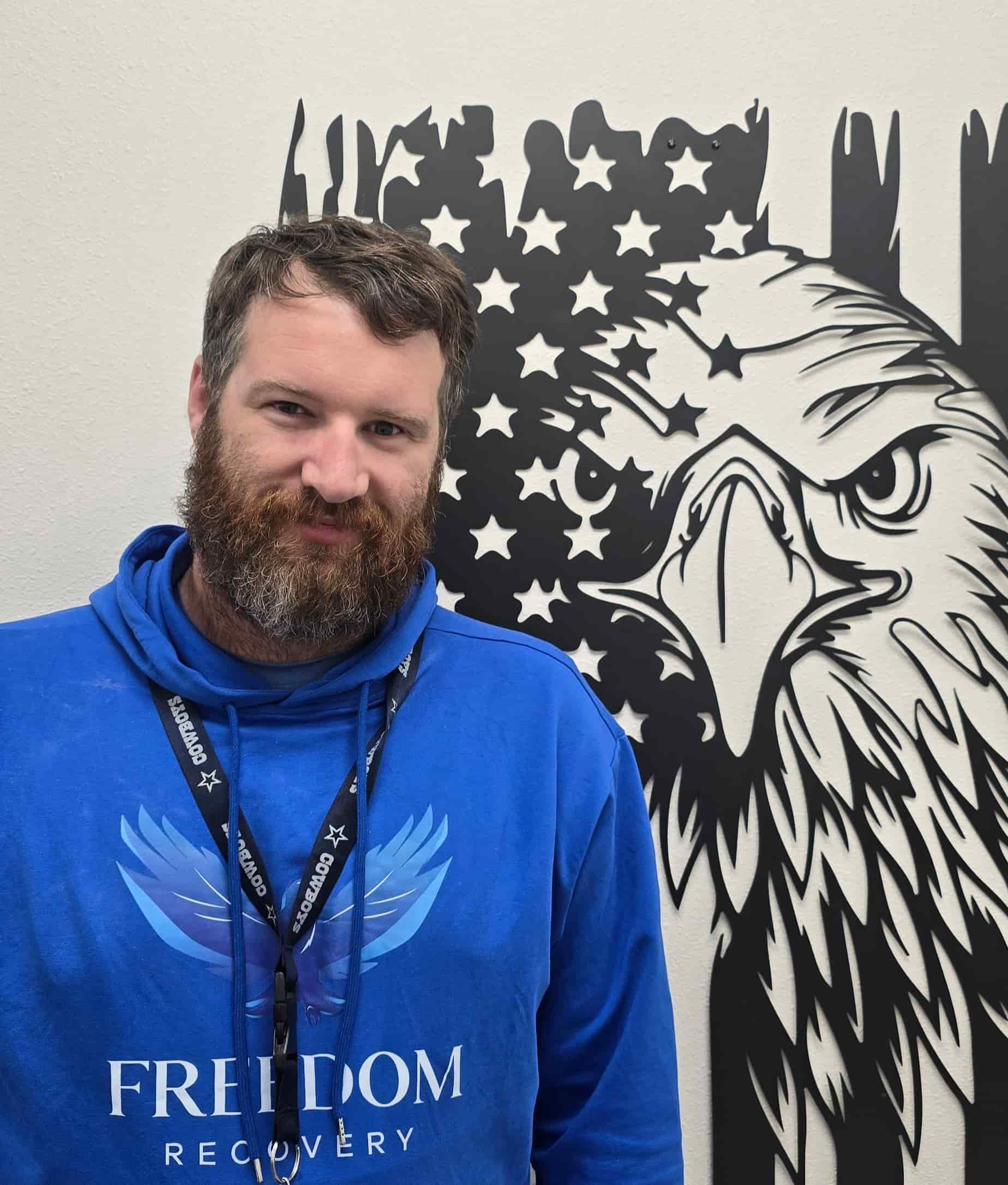
Timothy Palmer is the Clinical Director at Freedom Recovery with experience in general outpatient, correctional, and substance use disorder (SUD) treatment settings. He is trained in Dialectical Behavior Therapy (DBT), Neuro-Linguistic Programming (NLP), and has specialized experience working with Obsessive-Compulsive Disorder (OCD). His approach focuses on helping individuals build effective coping skills, improve emotional regulation, and create lasting change in recovery.

Andrea brings years of experience to the table. By day, she is conquering the world of search engines, and by night, she’s a dog lover, with an interest in tarot readings and all things witchy on a mission to explore the cultural gems of Mexico City.

Other Blogs

Learn more about Vyvanse, its uses, the potential for addiction, and treatment options.

Discover how sober living vs inpatient rehab Idaho differ in structure and timing, and which level of care should come first in your recovery plan.

Discover effective coping strategies for managing PTSD and addiction, how to address both challenges, and how to find healing and recovery.